

How to Care for Your Dog’s Tangled Hair: Essential Tips for Smooth, Healthy Coat
If your furry friend has long, thick, or curly hair, you know that maintaining a smooth, tangle-free coat can sometimes feel like a daunting task. Tangled hair not only affects your dog’s appearance but can also lead to discomfort, skin irritation, and even infections if left unaddressed. Whether you’re a new dog owner or have been caring for your pet for years, understanding how to prevent and manage tangled hair is essential for your dog’s overall health and happiness. This article dives deep into the causes of tangled hair, the best grooming techniques, and practical tips to keep your dog’s coat shiny, healthy, and free of knots.
Understanding Tangled Hair in Dogs and Its Causes
Tangled hair in dogs is more than just an aesthetic concern; it often reflects underlying grooming habits, breed characteristics, and environmental factors. Many breeds, especially those with long, curly, or double coats—like Poodles, Shih Tzus, and Bichon Frises—are naturally prone to tangles. However, any dog with hair that grows continuously can develop knots if not properly maintained. Understanding what causes these tangles is the first step toward effective prevention and care.
One of the primary causes of tangled hair is insufficient or improper grooming. When hair isn’t regularly brushed, loose strands, dirt, and debris become trapped within the coat, creating mats. These mats can tighten over time, pulling on the skin and causing discomfort. Additionally, moisture from baths, rain, or dew can make hair sticky and prone to knotting, especially if it’s not thoroughly dried. Environmental factors such as playing outside in grass, dirt, or mud can introduce debris and cause tangles to develop more rapidly. Lastly, your dog’s activity level and lifestyle play a role; active dogs that love to run and play are more likely to develop tangles if their coat isn’t kept in check.
Breed-specific traits also influence the likelihood of tangled hair. For example, long-haired breeds require more frequent grooming sessions, while curly-haired breeds tend to mat easily if not properly maintained. Overgrown hair can also obscure your dog’s vision or cause discomfort, making regular grooming an essential part of responsible pet ownership. Recognizing these causes helps pet owners identify risk factors and establish a grooming routine that keeps your dog’s coat healthy and free from painful knots.
Effective Brushing Techniques to Prevent and Detangle Hair
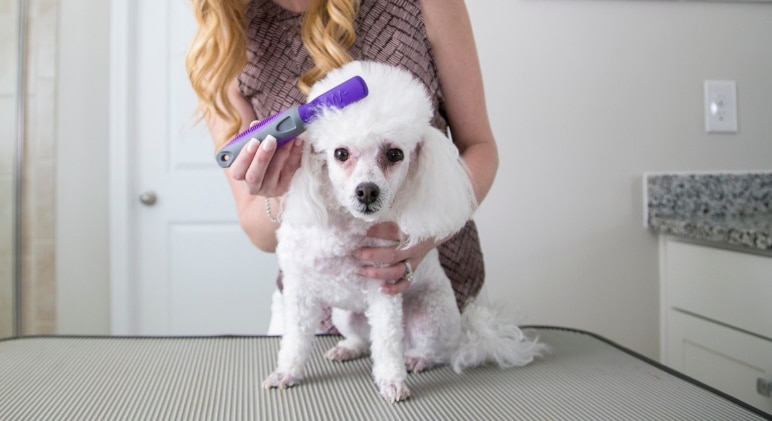
Regular brushing is the cornerstone of preventing tangled hair and maintaining a healthy coat. The key is consistency—daily or at least several times a week—tailored to your dog’s breed, hair type, and activity level. Start by choosing the right tools; slicker brushes, wide-tooth combs, and grooming gloves are excellent options for different coat types. For long or curly hair, a slicker brush can detangle knots gently, while a comb helps reach closer to the skin. Always brush in the direction of hair growth to avoid pulling or causing discomfort.
When brushing your dog, break the task into manageable sections—start from the head and work your way down the body. Be gentle around sensitive areas like the ears, underarms, and belly, where hair is typically finer and more prone to matting. If you encounter a tangle, do not yank or force the brush through it; instead, use a detangling spray or conditioning coat product to loosen the knot. For stubborn mats, consider using your fingers to gently loosen the fur before proceeding with a brush or comb. Patience is vital—rushing through grooming can cause pain and make your dog resistant to future grooming sessions.
In addition to regular brushing, incorporating detangling sprays or leave-in conditioners can provide a protective barrier, making hair more manageable and reducing the risk of tangles forming overnight. It’s also beneficial to establish a routine that includes checking your dog’s coat after outdoor activities or baths, ensuring that any loose hairs or debris are removed promptly. Over time, these habits help develop a positive grooming experience for your dog, turning what might be a chore into a bonding activity that results in a shiny, healthy coat.
Choosing the Right Grooming Products for Tangled Dog Hair
Selecting appropriate grooming products is crucial for effectively managing your dog’s tangled hair and keeping their coat healthy. The market offers a variety of shampoos, conditioners, detangling sprays, and grooming tools, but not all are suitable for every breed or coat type. For dogs prone to tangles, look for gentle, sulfate-free shampoos that clean without stripping natural oils, which help keep hair moisturized and less prone to knots. Adding a conditioning rinse or leave-in conditioner can further smooth the coat and facilitate easier brushing.
Detangling sprays are specifically formulated to loosen mats and prevent future tangles while providing a protective layer over the fur. These products often contain natural oils and conditioners that nourish the hair and skin. When choosing a grooming spray, opt for those with natural ingredients like aloe vera, chamomile, or coconut oil, which soothe the skin and improve coat texture. Be cautious of products with harsh chemicals, as they can irritate sensitive skin and cause more tangles or dryness.
In terms of grooming tools, select brushes and combs designed for your dog’s coat type. For example, slicker brushes with fine or medium pins are excellent for curly or long-haired breeds, whereas pin brushes are suitable for straight-haired dogs. Wide-tooth combs are ideal for detangling thick fur without pulling excessively. Remember, investing in high-quality grooming tools not only makes the process easier but also reduces the risk of damaging your dog’s coat or skin. Regularly replacing worn-out brushes and combs ensures effective grooming sessions and a healthier, more manageable coat.
Step-by-Step Guide to Detangling and Caring for Matted Fur
Dealing with mats and tangles requires patience, gentle handling, and the right approach to avoid hurting your dog. First, assess the severity of the mat—if it’s small and loose, you might be able to detangle it at home. For larger, tight mats, especially those close to the skin, it’s often best to seek professional grooming to prevent causing pain or skin irritation. Prepare your supplies: a detangling spray, a slicker brush, a metal comb, and a calming environment for your dog.
Begin by applying a detangling spray generously over the matted area. Allow it to sit for a few minutes to loosen the fibers. Gently start working on the mat with your fingers, carefully loosening it from the skin without pulling. Then, use a wide-tooth comb or slicker brush to gently work through the tangles, starting from the outer edges and gradually moving inward. Always brush in the direction of hair growth, and take pauses if your dog shows signs of discomfort. If resistance persists, do not force the brush; instead, use a detangling spray or conditioner to soften the knot further.
For extremely stubborn mats, especially those close to the skin, visit a professional groomer who can carefully shave or cut out the mats without causing injury. After detangling, give your dog a warm bath and thoroughly rinse out any residual product. Regular grooming after detangling is essential to prevent re-matting; daily brushing and routine coat checks will keep the hair smooth and manageable. Remember, patience and gentle handling are key—your calm demeanor will help your dog stay relaxed and make the grooming process a more positive experience.
Tips for Maintaining a Healthy, Tangle-Free Coat Between Grooming Sessions
Maintaining a tangle-free coat requires ongoing care and proactive habits. Establishing a consistent grooming routine that includes regular brushing, bathing, and coat checks makes a significant difference in preventing mats from forming. Even on busy days, a quick brush or wipe down can remove loose hairs, dirt, and debris that could lead to tangles if left unattended. Consider setting aside specific times each week for grooming to develop a habit that your dog naturally expects and becomes comfortable with.
Environmental management is also critical. Keep your dog’s living space clean and free from excessive dirt, mud, or debris that can cause hair to become matted. After outdoor activities, especially in grassy or wooded areas, give your dog a thorough check, and brush out any debris or loose fur. Using calming sprays or grooming gloves during these times can make the process easier and more enjoyable for your dog. Additionally, maintaining a balanced diet rich in omega fatty acids, vitamins, and minerals promotes healthy skin and coat, making hair less prone to tangles and breakage.
Lastly, pay attention to your dog’s specific needs based on their breed, age, and health status. Regular veterinary check-ups can identify underlying skin conditions or nutritional deficiencies that may contribute to coat problems. If your dog has a history of severe matting or skin issues, consult a professional groomer or veterinarian for tailored advice and grooming routines. Remember, a well-maintained coat isn’t just about appearance—it’s about your dog’s comfort, health, and happiness. Consistent care, patience, and gentle handling make all the difference in keeping your furry friend’s coat smooth, shiny, and tangle-free.
Conclusion
Caring for your dog’s tangled hair may seem like a never-ending task, but with the right knowledge and routine, it becomes an achievable and even enjoyable part of your pet’s grooming. Understanding the causes of tangles helps you prevent them before they form, while effective brushing techniques and suitable grooming products make detangling easier and less stressful for your dog. Regular maintenance between grooming sessions—through consistent brushing, environmental management, and proper diet—ensures your dog’s coat remains healthy, shiny, and free of painful knots.
Remember, patience and gentle handling are essential—your calm demeanor can turn grooming into a bonding experience rather than a chore. By investing time and effort into your dog’s coat care, you’re not only enhancing their appearance but also supporting their overall health and well-being. With these tips, you’ll be well on your way to a smooth, healthy coat that reflects your love and commitment to your furry friend.