


How to Groom Flea Combs Effectively: Tips for a Clean, Flea-Free Pet
Fleas are among the most common pests that bother our pets, causing discomfort, allergic reactions, and sometimes even transmitting diseases. One of the most effective and safest ways to combat fleas is through regular grooming with a flea comb. Not only does this routine help remove fleas and their eggs, but it also fosters a closer bond between you and your pet. If you’re looking to keep your furry friend healthy, happy, and flea-free, mastering the art of effective flea comb grooming is essential. In this article, we’ll explore the importance of flea comb grooming, how to choose the right tools, proper techniques, maintenance tips, and how to incorporate this practice into your pet care routine.
Understanding the Importance of Regular Flea Comb Grooming
Regular flea comb grooming is more than just a cleaning ritual—it’s a proactive approach to safeguarding your pet’s health. Fleas are highly resilient parasites that can quickly infest your pet’s coat if not addressed promptly. Using a flea comb allows you to physically remove fleas, flea eggs, and larvae from your pet’s fur before they mature or cause health issues. This routine is especially vital during peak flea seasons in spring and summer when infestations are most common.
Beyond flea removal, frequent grooming with a flea comb provides an opportunity to monitor your pet’s skin and coat health. It helps you detect early signs of flea allergy dermatitis, which can cause intense itching and skin infections, or identify other skin conditions that may require veterinary attention. Regular grooming also encourages better circulation and distributes natural oils throughout the fur, promoting a shiny, healthy coat. Overall, consistent use of a flea comb empowers pet owners to take control of their pet’s well-being and prevent more costly treatments down the line.
Moreover, flea comb grooming is a gentle, chemical-free method suitable for pets of all ages, including puppies, kittens, and those with sensitive skin. It complements other flea control strategies like topical treatments or oral medications, forming a comprehensive defense against fleas. When done correctly and consistently, it can significantly reduce the flea population on your pet and in your home environment, making it a cornerstone of effective flea management.
Choosing the Right Flea Comb for Effective Grooming
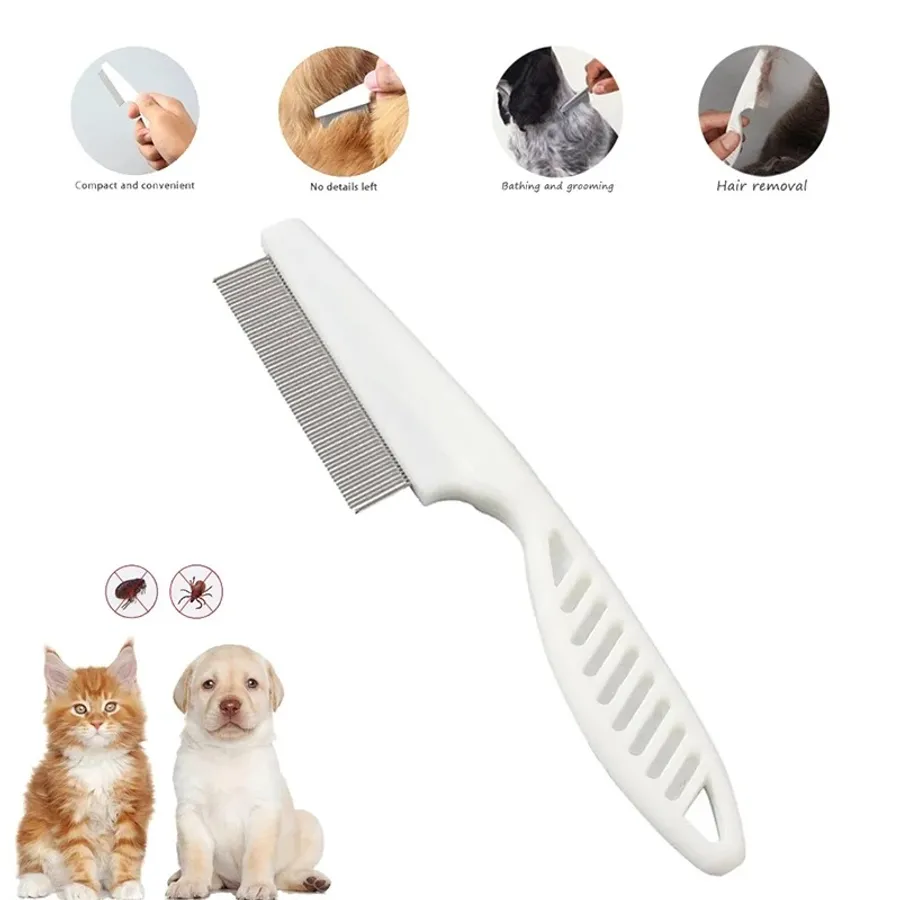
Choosing the perfect flea comb is crucial for effective grooming and flea control. There are several types of flea combs available, each tailored to different coat types and grooming needs. Fine-toothed metal combs are typically the most effective because they can trap fleas, eggs, and debris efficiently. Look for a comb with tightly spaced, sturdy teeth that won’t bend or break easily—this ensures durability and better performance during grooming sessions.
When selecting a flea comb, consider your pet’s coat length and texture. For short-haired breeds like Beagles or Boxers, a fine-toothed metal comb works well because it can reach close to the skin and remove fleas lodged in the coat. Long-haired breeds such as Shih Tzus or Persians may benefit from a comb with slightly wider teeth or a dual-purpose comb that can handle tangles and fleas simultaneously. Additionally, some flea combs feature a comfortable, ergonomic handle that reduces hand fatigue during prolonged grooming.
Another important factor is ease of cleaning. Look for a comb with a simple mechanism to remove trapped fleas, eggs, and hair debris. Some models come with a small brush or a built-in compartment for easy debris removal. Investing in a high-quality, durable flea comb ensures longevity and better results over time. Remember, the right tool makes all the difference—so prioritize quality, suitability for your pet’s coat, and comfort when choosing your flea comb.
Proper Techniques for Using a Flea Comb to Remove Fleas and Eggs
Using a flea comb effectively requires patience and technique. Start by choosing a calm moment and a well-lit area where you can see the comb’s teeth clearly. Gently part your pet’s coat and comb slowly, working against the direction of hair growth. Focus on areas where fleas are most likely to hide, such as around the neck, ears, tail base, and belly. Regularly dip the comb into a bowl of soapy water or alcohol to kill fleas and prevent them from crawling away, ensuring you catch as many as possible.
When you spot fleas or eggs on the comb, remove them immediately by wiping the teeth on a paper towel or submerging the comb into the cleaning solution. Be thorough, especially in areas where fleas tend to congregate. It’s helpful to comb in multiple directions—first one way, then across the coat—to dislodge hidden fleas. If you encounter a flea, immediately dip the comb in soapy water or alcohol to kill it. This prevents fleas from escaping and re-infesting your pet.
Consistency is key. Aim to groom your pet with a flea comb at least 2-3 times a week during flea season, or more frequently if needed. For stubborn coats or heavily infested pets, breaking the grooming into shorter, more frequent sessions can prevent stress and ensure thorough removal. Always be gentle to avoid irritating the skin, and reward your pet with treats and praise to make grooming a positive experience. Proper technique combined with patience significantly increases the effectiveness of flea comb grooming.
Cleaning and Maintaining Your Flea Comb for Long-Term Effectiveness
Maintaining your flea comb is essential for ongoing pest control and to ensure the tool remains effective. After each grooming session, clean the comb thoroughly to remove any trapped fleas, eggs, or debris. Most metal flea combs can be cleaned by rinsing under warm water or wiping with a damp cloth. For more stubborn residues, soaking the comb in a solution of warm water and mild soap or disinfectant can be effective. Always dry the comb completely before storing to prevent rusting and bacterial growth.
Regularly inspecting your flea comb for damage or wear is also important. Over time, the teeth may become bent or dull, reducing their ability to trap fleas effectively. Replace your flea comb if you notice signs of damage or if it’s no longer performing well despite cleaning. Storage is another aspect to consider; keep the comb in a clean, dry place away from direct sunlight and moisture to prevent deterioration. Using a dedicated grooming kit for your pet helps keep all your tools organized and ready for use.
For added safety, disinfect your flea comb periodically with a solution of diluted bleach or a pet-safe disinfectant. This reduces the risk of bacterial or fungal contamination, especially if your pet has skin issues or allergies. Proper cleaning, maintenance, and storage practices extend the lifespan of your flea comb and help maintain its effectiveness in controlling fleas over the long term.
Tips for Incorporating Flea Comb Grooming Into Your Pet Care Routine
Integrating flea comb grooming into your regular pet care routine is not only practical but also highly beneficial for your pet’s health. Establish a consistent schedule—such as grooming twice a week during peak flea season or monthly during colder months—to keep flea populations in check. Making grooming a routine part of your pet’s day helps set expectations, reduces stress, and ensures you don’t miss critical flea treatment moments.
Creating a comfortable grooming environment can make a big difference. Choose a quiet, well-lit space where your pet feels safe. Use calming words, gentle handling, and treats to reward your pet for good behavior. Starting with short, positive grooming sessions can help your pet associate flea combing with a pleasant experience. Over time, your pet may even look forward to these sessions, making flea control easier and more effective.
Incorporate flea comb grooming alongside other preventive measures, such as regular bathing, topical flea treatments, and a clean living environment. Always check your pet’s skin and coat for signs of fleas or skin irritation after grooming. If you notice any issues, consult your veterinarian for tailored advice. By making flea comb grooming a routine and enjoyable activity, you’re taking a proactive step towards maintaining a clean, flea-free pet and a healthier home environment.
Conclusion
Mastering the art of effective flea comb grooming is a vital component of responsible pet ownership. From understanding the importance of regular grooming to choosing the right tools, applying proper techniques, maintaining your comb, and making it part of your routine, each step plays a crucial role in keeping fleas at bay. Consistency, patience, and care can significantly reduce flea infestations and promote your pet’s overall health. Remember, the goal is not just to eliminate fleas but to foster a healthy, happy life for your furry friend. So, equip yourself with the right tools, follow these expert tips, and enjoy a cleaner, flea-free home and healthy pet.