


Is It Safe to Handle Anal Glands? Expert Tips and Advice
If you’re a pet owner, especially of dogs or cats, you’ve likely heard about anal glands—sometimes called anal sacs—and wondered whether it’s safe or advisable to handle them yourself. While some pet owners consider expressing their pet’s anal glands at home to save money or alleviate discomfort, the process involves certain risks and precautions. This article dives deep into understanding what anal glands are, why they matter, and when handling them yourself is safe or risky. Whether you’re contemplating doing it yourself or just want to be informed, you’ll find expert insights, practical tips, and clear guidance to ensure your pet’s well-being and your safety.
Understanding Anal Glands and Their Function in Dogs and Cats
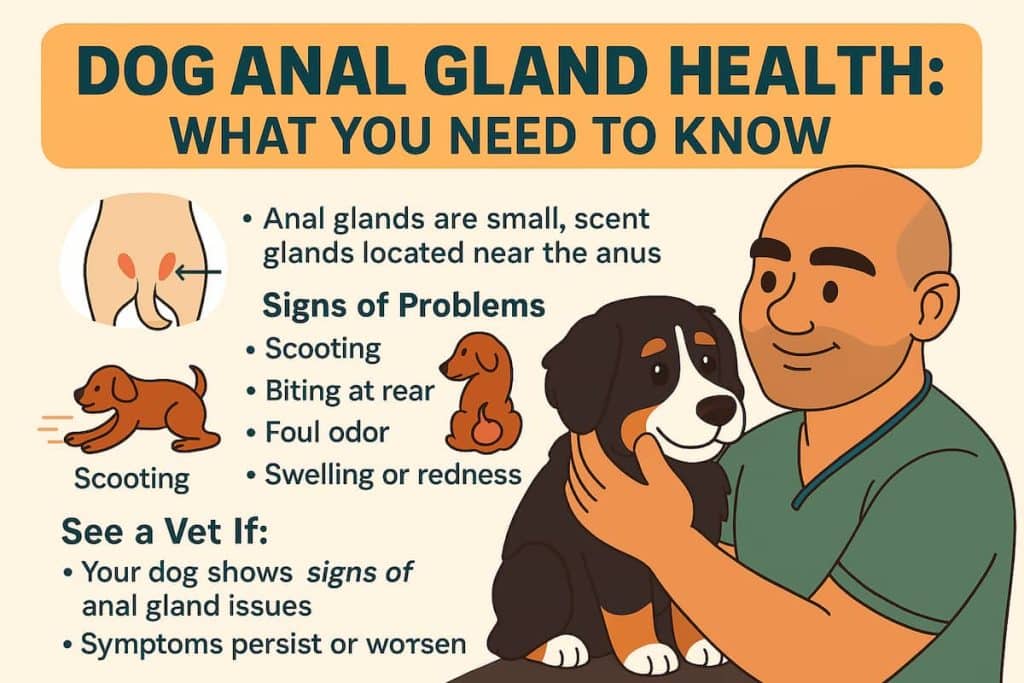
Anal glands are small, paired sacs located on either side of your pet’s anus, typically at roughly the 4 o’clock and 8 o’clock positions. These glands produce a thick, foul-smelling fluid that serves a vital role in animal communication, marking territory, and identification. When a dog or cat defecates, the pressure from stool passing through the anal canal naturally compresses these glands, causing them to release a small amount of fluid, which leaves a scent signature for other animals.
In healthy animals, these glands remain relatively dormant, filling gradually over time, and are naturally expressed during defecation. However, some pets are prone to anal gland issues—such as impaction, inflammation, or infection—leading to discomfort, scooting, or licking around the anal area. The anatomy and function of anal glands can vary based on breed, size, diet, and overall health. For example, small or overweight dogs, as well as some breeds like Cocker Spaniels or Beagles, are more prone to anal gland problems, partly because their glands may not empty naturally or fully.
Understanding the importance of anal glands is key to recognizing when there’s a problem. They play a crucial role in your pet’s health by aiding in communication, but problems like impaction or infection can cause significant discomfort and may require intervention. While the natural function is to express these glands during defecation, issues can arise when glands become impacted, infected, or abscessed, requiring attention from a veterinarian.
Risks and Precautions When Handling Anal Glands
Handling your pet’s anal glands is not without risks. The area around the anus is delicate and sensitive, and improper technique can cause pain, injury, or infection. If not performed correctly, you might inadvertently cause trauma, leading to bleeding or even worsening an existing problem. Additionally, direct contact with infected or abscessed glands can expose both you and your pet to bacteria or other pathogens, increasing the risk of infection.
Moreover, some pets are more tolerant of anal gland expression than others. Aggressive or anxious animals might struggle or react defensively, increasing the risk of scratches or bites during the process. Handling anal glands also requires good hygiene: hands, gloves, and tools should be thoroughly sanitized to prevent the spread of bacteria. If your pet is showing signs of redness, swelling, or discomfort, attempting to express the glands yourself can exacerbate the issue or delay proper treatment.
Precautions are crucial for safety: always wash your hands beforehand, consider wearing disposable gloves, and use gentle, controlled movements. If you are unsure of the anatomy or technique, or if your pet shows signs of pain or distress, it’s best to consult a veterinarian. Never force the process if your pet is resisting strongly, as this can cause injury or trauma. Remember, not all anal gland issues are suitable for home management—some require professional diagnosis and treatment.
Signs of Impaction or Infection Requiring Veterinary Attention
Recognizing when your pet needs professional veterinary help is essential. Common signs of anal gland impaction or infection include persistent scooting, licking or biting around the anal area, swelling or redness, and a foul smell emanating from the anus. Your pet might also yelp or yelp when sitting, or you may notice a visible swelling or abscess near the anal sacs. Sometimes, impacted glands can cause discomfort that leads to behavioral changes such as irritability, reluctance to sit, or even diarrhea.
Infections or abscesses can be more serious, with symptoms such as pus or blood draining from the glands, fever, and general signs of illness like lethargy or loss of appetite. If you notice any of these signs, it’s crucial to seek veterinary attention promptly. Attempting to manually express glands that are severely impacted, infected, or abscessed at home can worsen the condition or cause additional trauma. Veterinarians may need to flush the glands, prescribe antibiotics, or perform a minor surgical procedure if necessary.
Regular check-ups and monitoring your pet’s behavior are the best ways to catch gland problems early. Dogs or cats with recurrent issues or signs of discomfort should be evaluated by a veterinarian for underlying causes, such as allergies, dietary issues, or anatomical abnormalities. Prompt professional care ensures your pet’s comfort and prevents complications that could affect their overall health.
Proper Techniques for Expressing Anal Glands Safely at Home
If your veterinarian has advised that you can safely express your pet’s anal glands at home, it’s important to do so with proper technique to minimize discomfort and avoid injury. First, prepare by gathering supplies: latex or disposable gloves, lubricating gel, and a clean, flat surface. Position your pet comfortably—most owners find that wrapping their pet in a towel or having someone else hold them gently can help keep them calm.
Start by gently lifting the tail to expose the anal area. Using a gloved finger, carefully insert your index finger into the anal opening, aiming to feel the small, pea-sized glands at approximately 4 and 8 o’clock positions. Apply gentle pressure—squeeze from behind the glands towards the opening—without forcing or pinching too hard. If fluid is present, it will often be expelled with gentle pressure. Be prepared for a foul smell, which is normal but should not be overwhelming or accompanied by pus or blood.
It’s essential to stop immediately if your pet shows signs of pain or if you encounter resistance. Afterward, clean the area thoroughly with a damp cloth and wash your hands and gloves thoroughly. Remember, patience and gentle handling are key. It’s also highly recommended to consult your veterinarian beforehand for a demonstration or detailed instructions tailored to your pet’s specific needs. Regular, gentle checks may be sufficient to prevent impaction without needing full expression, but always prioritize your pet’s comfort and safety.
When to Seek Professional Help for Anal Gland Issues
While some mild cases of gland impaction can be managed at home under veterinary guidance, persistent or severe issues always warrant professional intervention. Seek veterinary help if your pet exhibits signs of significant discomfort, such as persistent scooting, biting, or licking around the anal area, especially if they show signs of swelling, abscess, or pus. If you notice bleeding, a foul drainage, or if your pet’s behavior changes dramatically, these are indications of infection or an underlying health problem that requires professional treatment.
In cases where your pet’s glands are repeatedly impacted or infected despite home management, a veterinarian can perform a thorough examination, express the glands properly, and recommend additional treatments such as dietary adjustments, medications, or surgical options. Veterinarians are also trained to evaluate and address underlying causes, like allergies or anatomical abnormalities, that predispose your pet to gland problems. If you’re unsure or uncomfortable about attempting to express the glands yourself, it’s always safest to leave it to the professionals.
Preventive care is equally important. Regular veterinary check-ups can help identify issues early before they escalate. Your vet can also teach you safe techniques for home care or advise on the best plan for your pet’s individual needs. Remember, handling anal glands at home should always be done with caution, and professional help is the safest route when problems persist or worsen.
Conclusion
Handling your pet’s anal glands can seem daunting, but with proper knowledge and precautions, it can be managed safely—either by you or a veterinarian. Understanding the function of anal glands, recognizing signs of impaction or infection, and knowing the correct techniques are vital to ensuring your pet’s comfort and health. While some mild cases may be managed at home under veterinary guidance, never hesitate to seek professional help if your pet shows signs of distress, infection, or recurrent issues.
Your pet’s comfort and safety should always come first. Regular health checks, attentive observation, and open communication with your veterinarian are the best strategies for managing anal gland health. With the right information and care, you can help your furry friend stay happy, comfortable, and healthy—minus the stress and discomfort caused by anal gland problems.