


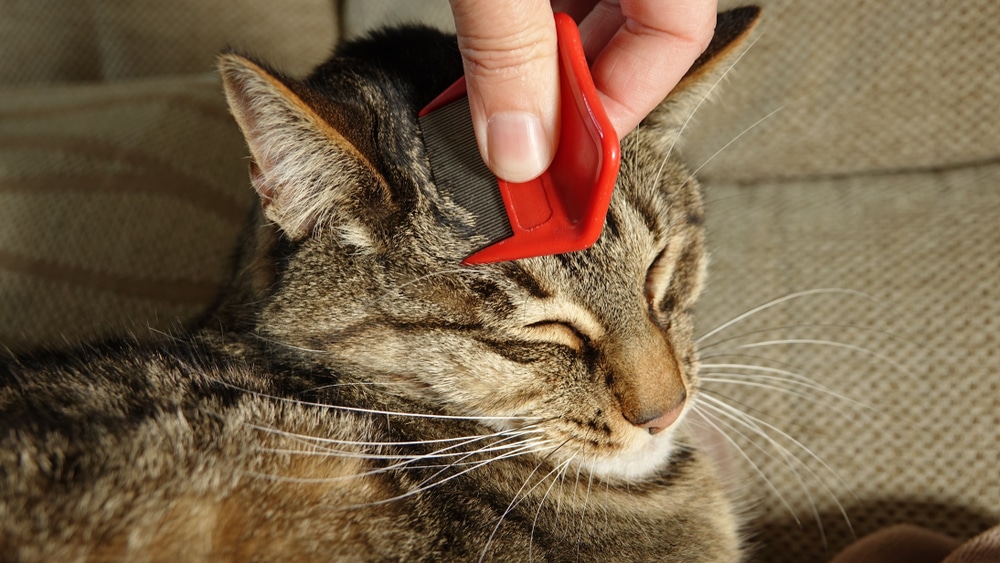
Why Weekly Flea Comb Checks Are Key to Your Pet’s Health
Keeping our pets happy and healthy is a top priority for any responsible pet owner. One of the most common and sometimes overlooked threats to pet health is flea infestations. Fleas are tiny, persistent pests that can cause discomfort, allergic reactions, and even transmit serious diseases. While many owners focus on annual or monthly treatments, establishing a routine of weekly flea comb checks can be a game-changer. This simple but effective habit not only helps catch flea problems early but also promotes overall pet well-being. In this article, we’ll explore why regular flea combing is vital, how to do it properly, and some practical tips to keep your home flea-free.
The Importance of Regular Flea Comb Maintenance for Pet Health
Pets constantly interact with their environment—whether it’s lying on the couch, playing in the yard, or snuggling close on the bed. These interactions make them vulnerable to fleas, which thrive in warm, humid environments and can jump onto your pet easily. Regularly checking your pet with a flea comb is a proactive step toward early detection. It helps catch fleas before they multiply and cause serious health issues like anemia, skin infections, or allergic dermatitis. When you inspect your pet weekly, you become more aware of their skin’s condition and can notice any changes that might indicate a health problem.
Furthermore, consistent flea comb checks serve as a non-invasive monitoring method. Unlike chemical treatments, which should be used as part of a comprehensive pest management plan, combing is a safe, natural way to keep an eye on your pet’s health. It also provides an opportunity to build a bond with your pet through gentle grooming, making them more comfortable with handling. Early detection through regular combing can save you money and prevent discomfort for your pet, avoiding the need for more aggressive treatments later on.
Regular flea inspection also plays a crucial role in safeguarding your entire household. Fleas don’t just stay on pets—they can infest bedding, furniture, and carpets. Spotting fleas early means you can take targeted action, reducing the risk of a full-blown infestation. This preventative approach is especially important if your pet has a history of flea problems or if you live in an area prone to infestations. Ultimately, weekly flea comb checks are an essential part of a holistic pet health routine that benefits both your furry friend and your home environment.
Benefits of Weekly Flea Combings in Preventing Infestations
Engaging in weekly flea combings offers a multitude of advantages that go far beyond merely spotting fleas. One of the most significant benefits is early detection. Fleas have a rapid life cycle—adult fleas can lay hundreds of eggs within weeks—so catching even a few fleas early helps prevent an infestation from spiraling out of control. Regular combing allows you to identify fleas, flea dirt, or eggs before they become overwhelming, simplifying your pest control efforts.
Another key benefit is the reduction of flea-related health issues. Flea allergy dermatitis (FAD) is a common condition caused by allergic reactions to flea saliva, which leads to intense itching, skin inflammation, and secondary infections. Weekly flea checks can help prevent these symptoms by catching fleas before they bite multiple times. Moreover, fleas can transmit other parasites and diseases, such as tapeworms, Bartonella, and even bacterial infections. By maintaining a consistent routine, you significantly reduce your pet’s risk of contracting these ailments, leading to a healthier, more comfortable life.
Finally, regular flea combing is an eco-friendly and cost-effective way to manage pests. It reduces the need for frequent chemical treatments, which can sometimes cause adverse reactions or contribute to pesticide resistance. Plus, it offers a chance to inspect your pet’s skin for other issues like bumps, wounds, or signs of skin infections. In essence, weekly flea combing serves as a preventive health measure, helping you catch problems early while keeping your pet’s environment cleaner and safer.
Step-by-Step Guide to Proper Flea Comb Usage and Cleaning
To maximize the effectiveness of flea combing, it’s essential to know the correct technique. Begin by selecting a fine-toothed flea comb designed specifically for pets. These combs are usually lightweight and have closely spaced teeth that trap fleas, eggs, and debris effectively. Before starting, brush your pet’s coat thoroughly to remove loose hair and detangle any mats, making the combing process smoother.
Next, gently part your pet’s fur and systematically work through their coat from head to tail, paying special attention to areas where fleas like to hide—around the neck, ears, armpits, belly, and tail base. Use slow, deliberate strokes to ensure you don’t miss any spots. After each pass, dip the comb into a bowl of water mixed with a few drops of dish soap or a flea comb cleaning solution. This step helps trap fleas and debris, preventing them from escaping back onto your pet. Be sure to check the comb thoroughly after each stroke, removing visible fleas and eggs.
Once you’ve completed the combing session, examine the collected debris carefully. Use a tissue or paper towel to crush any fleas or flea dirt (flea feces), which appears as dark, granular material. If you find fleas or flea dirt, it indicates your pet needs further treatment or a more comprehensive flea control plan. Clean the comb thoroughly with hot, soapy water or disinfectant to prevent the spread of fleas or other parasites. Regularly maintain and sanitize your flea comb to keep it in top condition, making each weekly check a safe and effective routine.
Recognizing Signs of Flea Presence and When to Adjust Your Comb Routine
While weekly flea combing is highly effective for prevention and early detection, it’s crucial to recognize the signs that your pet might already have an infestation. Visible fleas are often easiest to spot—they are small, dark insects that jump quickly through your pet’s fur. Flea dirt, which looks like tiny black specks, is a common sign of fleas. When placed on a damp paper towel, flea dirt will turn reddish-brown as it releases blood, confirming their presence.
Aside from visual cues, observe your pet for symptoms such as frequent scratching, licking, or biting at their skin. Red, irritated patches, hair loss, or scabs can also indicate flea bites or allergic reactions. If your pet shows signs of discomfort or you notice flea dirt during grooming, it’s essential to act promptly. This might mean increasing the frequency of comb checks temporarily or starting targeted flea treatments to address the infestation effectively.
Adjusting your flea comb routine depends on the severity of your pet’s condition and environmental factors. For pets with a history of flea problems or living in high-risk areas, consider checking more than once a week, especially during peak flea seasons. Conversely, if your pet remains clear of fleas, maintaining a weekly schedule should suffice. Remember, early intervention can prevent minor issues from escalating into full-blown infestations, saving your pet from discomfort and reducing your home’s flea burden.
Tips for Disposing of Fleas Safely and Maintaining a Clean Home Environment
Once you’ve identified fleas or flea dirt during your combing routine, proper disposal is critical to prevent re-infestation. Immediately after removing fleas from your pet, place them in a sealed container with soapy water or rubbing alcohol. The soap or alcohol kills the fleas instantly, preventing them from escaping and reproducing. This simple step ensures that you’re not inadvertently spreading fleas elsewhere in your home.
In addition to handling fleas on your pet, it’s important to clean your environment thoroughly. Wash bedding, blankets, and any washable items your pet has come into contact with in hot water to eradicate fleas, eggs, and larvae. Vacuum carpets, furniture, and upholstery regularly—preferably weekly—paying special attention to areas your pet frequents. After vacuuming, dispose of the vacuum bag or empty the canister outside your home to prevent fleas from crawling back inside. Using flea sprays or powders in your home can further reduce the risk of reinfestation, but always follow manufacturer instructions and consult your veterinarian for recommendations.
Maintaining a clean, flea-free environment also involves ongoing monitoring and prevention. Consider applying environmental treatments in high-risk areas and using natural deterrents like diatomaceous earth or flea-repelling sprays. Regularly grooming your pet and maintaining a clean home create an inhospitable environment for fleas, making it easier to keep your pet comfortable and healthy. Staying vigilant and consistent with cleaning routines can significantly diminish flea populations, ensuring a safer, more comfortable life for your furry friends.
Conclusion
Weekly flea comb checks are a cornerstone of proactive pet health management. They enable early detection of fleas, reduce the risk of infestations, and provide a natural, cost-effective way to safeguard your pet’s well-being. Proper combing techniques, combined with safe disposal and diligent home cleaning, create a comprehensive defense against these pesky pests. Remember, maintaining regular grooming habits not only protects your pet from discomfort and disease but also fosters a stronger bond built on trust and care. By making flea combing a routine part of your pet care, you’re taking an important step toward a healthier, happier life for your beloved companion. Stay observant, stay proactive, and enjoy the peace of mind that comes with knowing you’re doing everything possible to keep fleas at bay.