


How to Groom Dog Nails Properly: A Step-by-Step Guide for Pet Owners
Grooming your dog is more than just a bath or brushing—it’s about ensuring your furry friend stays comfortable, healthy, and happy. One often overlooked aspect of pet grooming is trimming and maintaining your dog’s nails. Proper nail care not only prevents discomfort and health issues but also strengthens the bond between you and your pet. If you’ve ever hesitated before trimming your dog’s nails due to uncertainty or fear of hurting them, you’re not alone. This comprehensive guide will walk you through the importance of nail grooming, the right tools, step-by-step procedures, tips for making it a positive experience, and how to incorporate regular nail care into your pet’s routine. By the end, you’ll feel confident and prepared to keep your dog’s nails healthy and well-maintained.
Understanding the Importance of Proper Dog Nail Grooming
Maintaining your dog’s nails is more than just aesthetics; it plays a vital role in their overall health and well-being. Overgrown nails can cause pain, affect mobility, and even lead to chronic discomfort. When nails become too long, they tend to curl under the paw, which can lead to painful ingrown nails or infections. Moreover, long nails can alter the way your dog walks, causing abnormal gait and putting unnecessary stress on their joints and paws.
Beyond comfort, long nails can also pose health risks by trapping dirt, bacteria, and debris that increase the chances of infections. For dogs that walk primarily on hard surfaces, such as pavement or tile, their nails naturally wear down, but indoor or older dogs often need help maintaining proper length. Regular nail trimming promotes good hygiene and prevents accidental scratches to yourself or family members during playtime. It’s especially important for active, elderly, or small dogs who don’t naturally wear their nails down as quickly.
Another compelling reason for proper nail grooming is the impact on your pet’s emotional health. Dogs with overgrown nails can experience discomfort that might lead to irritability, reluctance to walk or run, and even behavioral changes. By investing time in regular nail care, you demonstrate love and care, helping your dog feel comfortable and secure. Recognizing the importance of nail grooming is the first step toward ensuring your dog’s comfort, health, and safety.
Selecting the Right Tools and Supplies for Dog Nail Care
Choosing the right tools is crucial for safe and effective nail grooming. Not all nail trimmers are created equal, and selecting equipment suited to your dog’s size and nail type will make the process smoother and less stressful. Most pet owners prefer either nail scissors, guillotine-style trimmers, or electric grinders. For smaller or more delicate dogs, smaller, precision trimmers are ideal, while larger dogs may require sturdier, heavy-duty tools. An electric grinder can be a good alternative for quick, smooth trimming, especially if your dog is sensitive to traditional clippers.
Safety should always be a priority when selecting supplies. Look for high-quality, sharp blades to ensure clean cuts that don’t crush or splinter the nails. Dull tools can cause pain and make trimming more difficult. Consider also having a styptic powder or cornstarch on hand to stop bleeding in case of accidental cuts, particularly if your dog’s nails are very quick or if you’re just starting out. A good nail file or rasp can be useful for smoothing rough edges after trimming. Additionally, having a comfortable grooming surface—such as a sturdy table with a non-slip mat or a grooming arm—helps keep your dog still and secure during the process.
Finally, don’t forget the importance of a calm environment and treats. Grooming can be stressful for some dogs, so make sure your space is quiet, and have plenty of treats or praise ready to reward your dog for cooperation. Investing in the right tools and supplies, combined with a patient approach, creates a positive grooming experience that encourages your dog to tolerate—and even enjoy—regular nail care.
Step-by-Step Guide to Safely Grooming Your Dog’s Nails
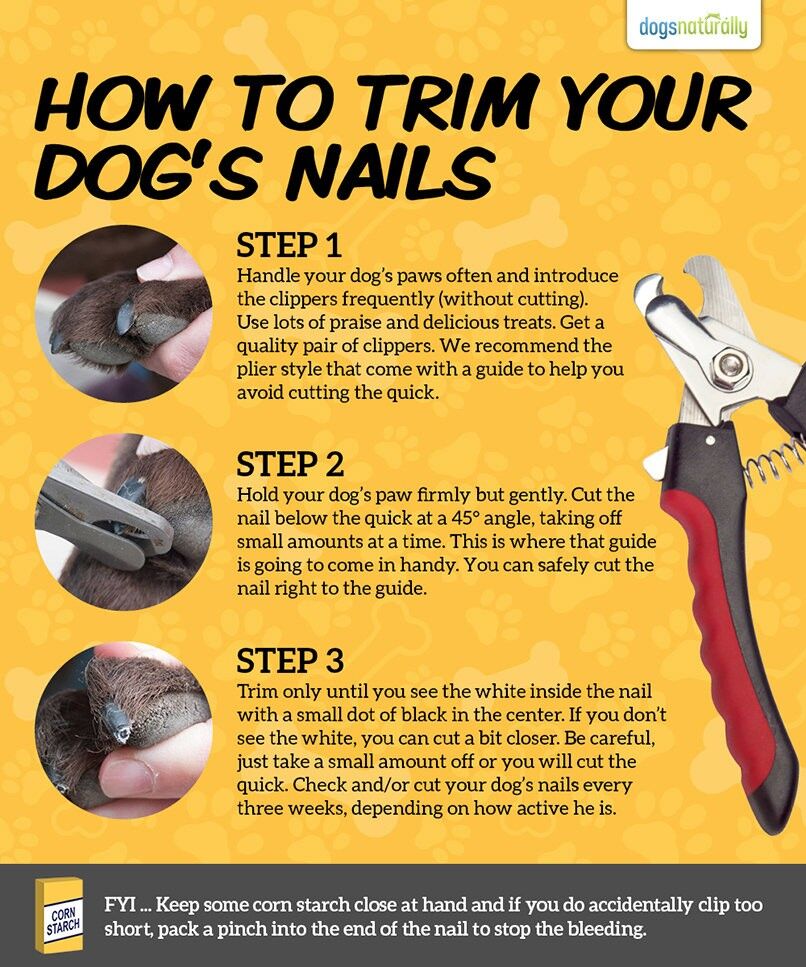
Embarking on nail grooming might seem intimidating initially, but breaking it down into manageable steps can make the process safe and stress-free—for both you and your dog. First, find a comfortable and well-lit area to work in, ensuring your dog feels secure. Gently handle their paws, touching and massaging them beforehand to get your dog accustomed to the sensation. Look for the quick, which is the pink area inside the nail that contains blood vessels and nerves; avoid cutting into this sensitive zone to prevent pain and bleeding.
Begin by selecting your preferred trimming tool. If using nail scissors or guillotine trimmers, hold the paw firmly but gently, and position the tool around the tip of the nail, making small, controlled cuts. For electric grinders, gently press the grinder against the nail tip, moving in circular motions to gradually file down the nail. Work patiently, trimming a little at a time, especially if your dog’s nails are very long or thick. Regularly check the length of the nail to ensure you’re not cutting too close to the quick.
If you accidentally cut into the quick and cause bleeding, stay calm. Apply styptic powder or cornstarch to stop the bleeding, and offer your dog reassurance with gentle praise or treats. If your dog becomes anxious, take breaks or try different methods like using a distraction, such as treats or toys. Consistency and patience are key; with regular practice, trimming will become a routine your dog can tolerate—perhaps even enjoy. Remember, always reward their cooperation to reinforce positive associations with nail grooming.
Tips for Making Nail Trimming a Positive Experience for Your Dog
Transforming nail trimming from a dreaded task into a positive bonding activity can significantly improve your dog’s experience. Start by creating a calm, relaxed environment before beginning. Spend time petting, massaging, and playing with your dog’s paws to build trust and reduce anxiety. Use treats and praise generously to reinforce good behavior, and consider doing short, frequent sessions rather than long, stressful ones. This gradual approach helps your dog associate nail trimming with positive things.
Another helpful tip is to incorporate distractions during grooming, such as offering a favorite toy or placing a treat inside a puzzle feeder. This not only keeps your dog occupied but also shifts their focus away from the trimming process. If your dog is particularly anxious or resistant, consider using calming aids like pheromone sprays or natural supplements after consulting your veterinarian. Patience and consistency are essential—never force your dog or punish them for resisting. Instead, go at their pace and always end on a positive note.
Finally, familiarize your dog with the tools well before trimming begins. Let them sniff and explore the nail clippers or grinder while giving treats, so they become comfortable with the equipment. Establishing a routine and practicing regularly helps your dog build confidence and reduces fear over time. Remember, grooming is a bonding experience; your calm demeanor, gentle handling, and positive reinforcement lay the foundation for a stress-free nail grooming routine.
Maintaining Regular Nail Care to Promote Healthy Pet Habits
Consistency is the cornerstone of healthy nail care for dogs. Establishing a regular grooming schedule ensures nails stay at a manageable length, preventing discomfort and health issues. For most dogs, trimming every 3-4 weeks is sufficient, but this can vary depending on activity level, surface type, and individual nail growth rates. Keeping a grooming calendar helps you stay on track and prevents nails from becoming overgrown, which can lead to painful problems down the line.
Incorporating nail care into your regular grooming routine makes it less intimidating for your dog and easier for you. Use positive reinforcement and keep tools handy to make each session quick and efficient. Observe your dog’s nails regularly at home—looking for signs of overgrowth, cracking, or splitting. If you notice any abnormalities or if nails are particularly difficult to trim, consult your veterinarian or a professional groomer for advice. They can provide guidance tailored to your dog’s breed, age, and health status.
Remember, maintaining healthy nails is about more than just trimming; it involves overall paw health. Regularly check your dog’s paws for cuts, swelling, or foreign objects, and keep the fur around the paws trimmed to prevent matting and debris buildup. Proper nail care promotes good posture, mobility, and comfort, contributing to your dog’s overall health and happiness. Committing to a consistent grooming routine not only extends the lifespan of your dog’s paws but also nurtures trust and a strong bond between you and your pet.
Conclusion
Caring for your dog’s nails is a vital component of their overall grooming and health routine. Proper nail grooming prevents pain, injury, and health complications while enhancing your pet’s comfort and mobility. By selecting the right tools, following a gentle step-by-step process, and making the experience positive, you can turn nail trimming into a bonding activity rather than a stressful chore. Consistency and patience are key—regular nail care promotes healthy pet habits and keeps your dog feeling happy and comfortable.
Remember, every dog is unique, and some may require extra patience or professional assistance. If you’re ever unsure or uncomfortable performing nail trims, consult your veterinarian or a professional groomer for guidance. Taking proactive steps today ensures a healthier, happier tomorrow for your furry friend. So grab those tools, stay calm, and enjoy the process of keeping your dog’s nails in tip-top shape!