


How to Prevent Dog Nail Problems: Safe Tips for Nail Care at Home
Keeping your dog’s nails healthy isn’t just about appearance—it’s essential for their comfort, mobility, and overall health. Overgrown or damaged nails can lead to pain, infections, or even mobility issues that affect your dog’s quality of life. Many pet owners may feel apprehensive about trimming their dog’s nails at home, fearing they might hurt their beloved pet or do it improperly. However, with the right knowledge, tools, and techniques, you can confidently maintain your dog’s nails safely and effectively from the comfort of your home. This article will guide you through understanding the importance of proper dog nail care, recognizing signs of nail problems, selecting the right tools, mastering trimming techniques, and maintaining healthy nails to prevent future issues.
Understanding the Importance of Proper Dog Nail Care
Dog nail care plays a crucial role in maintaining their overall health and well-being. Long or unkempt nails can cause discomfort when walking or running, potentially leading to abnormal gait and joint strain. Moreover, overgrown nails are prone to splitting, cracking, or breaking, which can be painful and may result in infections if not addressed promptly. Beyond physical discomfort, neglected nails can also interfere with your dog’s ability to perform natural behaviors, such as digging or scratching, and may even cause damage to flooring or furniture.
Proper nail care is also vital for preventing health issues like ingrown nails or nail bed infections. When nails grow excessively long, they can curl into the paw pad, causing pain and inflammation. Additionally, dirt and bacteria tend to accumulate under overgrown nails, increasing the risk of bacterial and fungal infections. Regular trimming helps keep your dog comfortable, reduces the risk of injury, and contributes to good hygiene. Establishing a routine of nail maintenance at home not only saves money but also strengthens the bond between you and your furry friend as you work together on their health.
Understanding the significance of regular nail care should motivate pet owners to incorporate it into their grooming routine. Dogs with well-maintained nails tend to walk more confidently and comfortably, leading to a happier and healthier pet overall. Preventative care is always easier and less stressful than addressing severe nail problems later, so starting early and staying consistent is key.
Recognizing Signs of Overgrown or Damaged Nails in Dogs
Knowing what to look for can help you catch nail problems early before they escalate into painful or costly issues. Overgrown or damaged nails often exhibit visible signs that indicate it’s time for trimming or veterinary attention. One common sign is nails that extend beyond the paw pads, making contact with the ground during walking. This not only causes discomfort but can also lead to nail splitting or breaking. If your dog’s nails click on hard surfaces when they walk, that’s another sign they’re too long.
Another indicator of nail problems is curling or cracking. Overgrown nails tend to curl inward, pressing into the paw pads or skin, which can cause pain and even lead to infections if left untreated. Damaged nails may also appear broken, split, or have frayed edges. Dogs may lick or chew at their paws due to irritation caused by nail discomfort, or they may limp or avoid bearing weight on certain paws. Unusual paw swelling or foul odors can also suggest underlying infections related to nail issues.
Regularly inspecting your dog’s paws and nails is the best way to stay ahead of potential problems. Make nail checks part of your weekly grooming routine, paying attention to any changes in length, shape, or condition. Early recognition of issues allows for prompt action, reducing the chance of complications. If you notice persistent problems such as bleeding, severe cracking, or signs of infection, consult your veterinarian for professional advice and treatment.
Selecting the Right Tools and Supplies for Safe Nail Trimming
Choosing the appropriate tools is fundamental for safe and effective nail trimming at home. The two most common types are guillotine-style nail clippers and scissors-style trimmers, each with their own advantages. Guillotine clippers are straightforward and easy to use, especially for small to medium-sized dogs, while scissors-style trimmers provide more control for larger or thicker nails. Investing in a high-quality, sharp pair of trimmers reduces the risk of crushing or splintering nails, making the process more comfortable for your dog.
Alongside nail clippers, you’ll want to have a few essential supplies on hand. Pet-safe styptic powder or cornstarch can quickly stop bleeding if you accidentally cut too close to the quick—the sensitive part of the nail that contains blood vessels and nerves. A nail file or grinder offers an alternative or supplement to clipping, especially for smoothing rough edges and preventing snagging. Using a grinder can be less intimidating for some dogs and allows for more precise shaping of the nails, but it requires patience and a gentle approach.
Safety is paramount when trimming dog nails at home. Consider having a pair of pet-specific gloves to protect your hands if your dog tends to squirm, and always work in a well-lit, calm environment to minimize stress. Some pet owners also find that having a helper can stabilize the dog or hold them gently but securely. Remember, investing in proper tools and supplies not only makes the process safer but also helps your dog associate nail care with positive, stress-free experiences.
Step-by-Step Guide to Proper Dog Nail Trimming Techniques
Mastering the correct technique is key to trimming your dog’s nails safely and effectively. Begin by calming your dog and choosing a quiet, comfortable space where they feel secure. Gently hold their paw in your hand, applying light pressure to extend the nail. For small dogs, using a grooming table or non-slip mat can help keep them steady. Start by examining each nail, identifying the quick (the pinkish area in lighter nails), and avoiding it to prevent bleeding and pain.
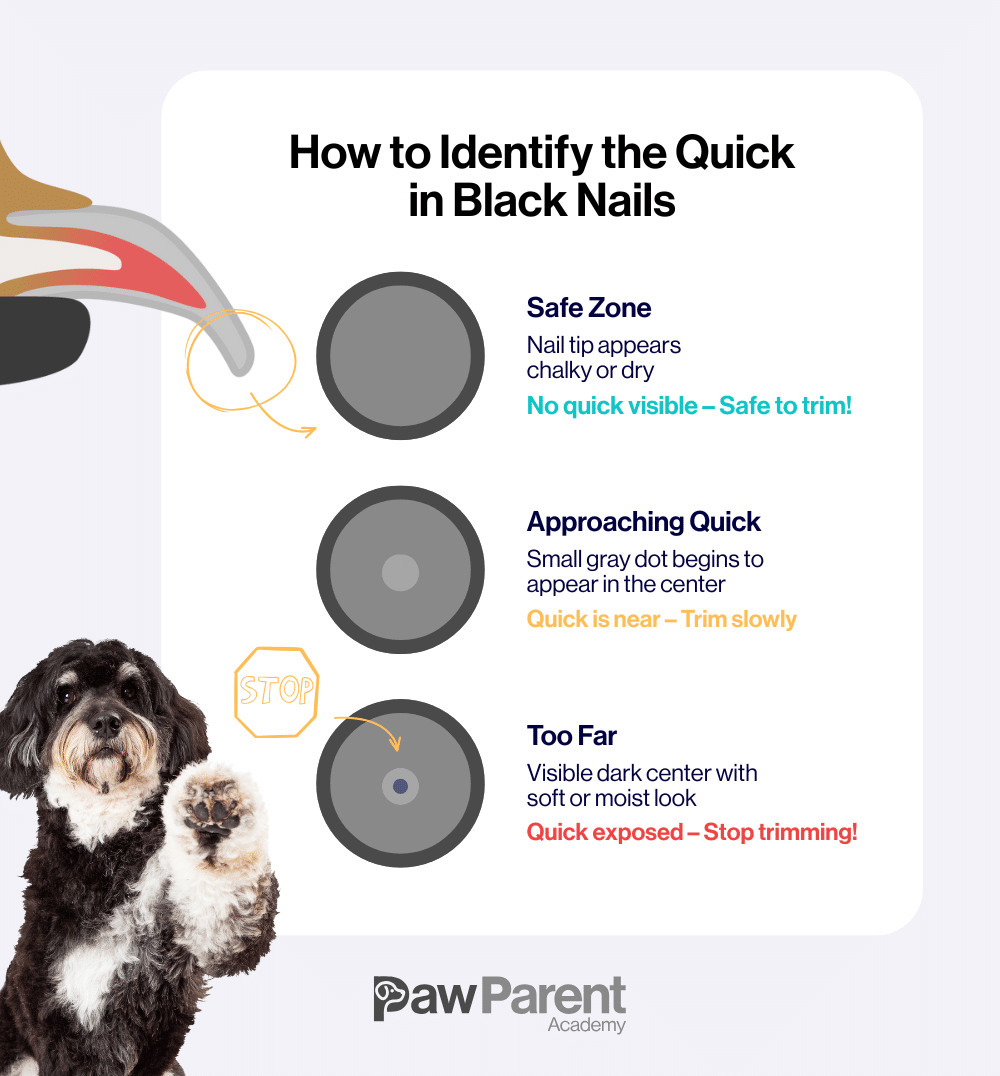
Position your chosen nail trimmers perpendicular to the nail, making clean, confident cuts. For dogs with light-colored nails, the quick is visible, so trim little by little to avoid cutting into it. On dark nails, trim conservatively—only the tips—and use a nail grinder for more control. Clipping small sections rather than attempting to cut the entire length in one go minimizes discomfort and reduces the risk of injury. If your dog is anxious, take frequent breaks and offer treats to create a positive association with the process.
After trimming, smooth any rough edges with a nail file or grinder to prevent snagging or splitting. Observe your dog’s paws for any signs of bleeding or injury, and apply styptic powder if needed. Remember to praise your dog throughout the process to foster a relaxed experience. Regular, gentle trimming sessions will gradually build confidence and make nail care less stressful for both of you, ensuring your dog’s nails stay healthy and problem-free.
Tips for Maintaining Healthy Nails and Preventing Future Issues
Prevention is always better than cure when it comes to dog nail problems. Establishing a consistent nail trimming routine—typically every 3 to 4 weeks—helps prevent nails from overgrowing and reduces the chance of painful issues. Incorporate nail checks into your regular grooming schedule, and always be attentive to any new signs of discomfort or nail damage. Consistency not only keeps nails at a safe length but also helps your dog become familiar with the process, reducing anxiety over time.
In addition to regular trimming, providing your dog with appropriate activities can naturally help keep their nails healthy. For example, encouraging your dog to walk on rough or varied surfaces like concrete, gravel, or bark can help naturally file down their nails. Playing with sturdy toys that require digging or scratching can also contribute to keeping nails in check. Ensure your dog’s diet contains the necessary nutrients, such as omega fatty acids and biotin, which support healthy skin, coat, and nails.
Lastly, always be vigilant for signs of nail or paw health issues, such as limping, licking paws excessively, or visible redness or swelling. If you notice persistent problems like cracking, splitting, or infections, consult your veterinarian promptly. Regular professional check-ups can help catch issues early and ensure your dog’s nails remain healthy and problem-free. By combining proper trimming techniques, routine care, and healthy habits, you can effectively prevent most dog nail problems and keep your furry friend comfortable and happy.
Conclusion
Proper nail care is an essential aspect of your dog’s health that shouldn’t be overlooked. Recognizing early signs of nail problems, choosing the right tools, mastering safe trimming techniques, and maintaining healthy habits at home are all crucial steps in preventing pain, infections, and mobility issues. Regular nail maintenance not only enhances your dog’s comfort but also strengthens your bond with them through positive grooming experiences. Remember, patience and consistency are your best allies in ensuring your dog’s nails stay healthy, so start today and enjoy the peace of mind that comes with proactive pet care. Your dog will thank you for it!