


Essential Tools You Need to Safely Clip Your Dog’s Bum Fur
Grooming your dog, especially trimming the fur around sensitive areas like the bum, requires more than just a pair of scissors and a bit of patience. It’s an important process that ensures your pet stays comfortable, hygienic, and free from matting or potential infections. However, trimming in these delicate areas can be tricky and, if not done correctly, might lead to injuries or stress for your furry friend.
In this guide, we’ll walk you through the essential tools you need for safe and effective bum fur clipping. We’ll cover the best grooming equipment, how to prepare your pet and environment, step-by-step techniques to make the process smooth, safety tips to prevent accidents, and tips on maintaining your tools for long-term use. Whether you’re a first-time groomer or looking to improve your grooming routine, this article will give you the confidence and knowledge to keep your dog comfortable and safe during trimming sessions.
Essential Clippers and Blades for Trimming Bum Fur
When it comes to trimming your dog’s bum fur, investing in the right grooming tools is key. High-quality clippers and blades not only make the process easier but also reduce the risk of pulling or nicking the skin. Look for clippers specifically designed for pet grooming, as they are built to handle thicker or coarser fur and operate quietly to minimize your dog’s anxiety.
The best clippers for bum fur trimming typically feature adjustable blade speeds, lightweight design, and quiet motors. Popular brands such as Oster, Wahl, and Andis offer models that are highly regarded within the grooming community. For example, Wahl’s KM2 Professional Clipper has a powerful motor, adjustable blades, and is suitable for sensitive areas. The blades themselves should be sharp and durable; options like ceramic or stainless-steel blades provide clean cuts and longevity.
Choosing the right blade size is also important. For trimming around the bum, a longer blade (like #10 or #15) can help remove larger amounts of fur quickly, but finer blades (#30 or #40) are better for more delicate, detailed trimming. Many groomers recommend using blades with rounded edges to minimize the risk of cutting or nicking the skin. Keep in mind that blades need regular cleaning and lubrication to stay sharp and function correctly over time.
In addition to clippers and blades, having a selection of grooming combs, scissors, and trimming guides can be a game-changer. Combs designed specifically for pet fur help detangle and guide your trimming, while specialty scissors with rounded tips reduce injury risk. Remember, investing in good quality tools is an investment in your dog’s safety and comfort during grooming.
Preparing Your Pet and Grooming Environment for Safe Clipping
Preparation is everything when it comes to grooming your dog’s bum fur safely. First, ensure your pet is calm and comfortable before starting. A tired dog is often more relaxed, so consider a walk or play session beforehand to help reduce stress. It’s also helpful to get your dog accustomed to being handled around the hindquarters, gently touching and massaging the area in the days leading up to grooming.
Creating a safe, clean, and well-lit grooming environment is essential. Use a non-slip mat or towel on your work surface to prevent your dog from slipping during trimming. Ensure your grooming area is well-lit so you can see clearly and avoid accidental nicks or cuts. Keep all your tools within arm’s reach but organized to prevent accidents or confusion during the process. Cover nearby surfaces with towels or mats to catch fur and make cleanup easier afterward.
Before you start clipping, it’s wise to bathe your dog if the fur is particularly dirty or matted. Clean fur is easier to trim and reduces the risk of bacteria or dirt causing infections. Ensure your dog’s coat is thoroughly dried because wet fur can be slippery and more difficult to handle. Additionally, check the skin for any cuts, rashes, or irritations that might need veterinary attention before proceeding. Safety always begins with proper preparation, so take your time to create a calm and controlled environment for both you and your pet.
Step-by-Step Techniques for Effective Bum Fur Trimming
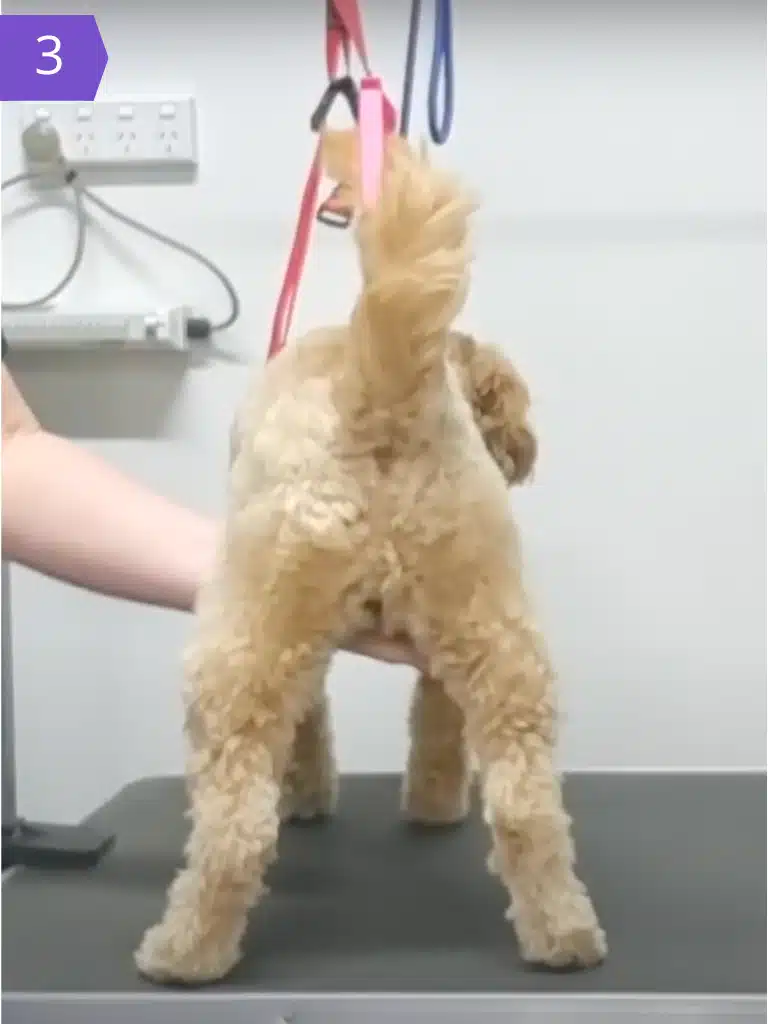
Effective trimming of your dog’s bum fur starts with a gentle and systematic approach. Begin by securing your dog in a comfortable position—either standing or lying on a non-slip surface—making sure they feel safe. Use treats and soothing words to keep your pet relaxed throughout the process.
Start by gently parting the fur with your fingers or a comb to identify the areas that need trimming. For beginners, it’s best to start with longer blades (like #10) to remove bulk, then switch to finer blades if needed for detail work. Hold the clipper parallel to the skin, moving smoothly and steadily in the direction of fur growth. Avoid pressing too hard to prevent skin irritation or cuts. Take small, controlled strokes, especially in sensitive areas, and frequently check your work to maintain even trimming.
Pay special attention to delicate areas like the anus and surrounding skin, trimming only what’s necessary to prevent discomfort or injury. If your dog shows signs of distress, take a break and reassure them with praise or a treat. For detailed or hard-to-reach spots, use scissors with rounded tips instead of clippers to avoid accidental cuts. Always double-check for uneven patches or stray fur, and trim gradually to avoid removing too much at once. Patience and gentle handling are key to a successful grooming session.
Safety Tips and Best Practices to Prevent Injury during Grooming
Safety during grooming is non-negotiable, especially when clipping sensitive areas like your dog’s bum fur. Always use sharp, well-maintained tools, as dull blades can tug at the fur and cause discomfort or injury. Regularly inspecting and cleaning your clippers prevents buildup that could clog the blades or harbor bacteria. Ensure your dog is calm and restrained comfortably—you might consider using a grooming harness to prevent sudden movements that could lead to cuts or nicks.
Another critical tip is to never force the clipper if your dog moves suddenly or resists. Take your time, and if needed, work in short sessions rather than trying to finish all at once. Always keep blades at a safe distance from the skin; if you encounter resistance or knotty fur, gently detangle first with a comb before proceeding. Remember to unplug or turn off your equipment when you’re not actively using it, and store tools safely out of your pet’s reach.
Lastly, knowing when to seek professional help is vital. If your dog has sensitive skin, medical issues, or severe matting, consulting a professional groomer or veterinarian may be the safest option. Using protective gear like gloves can help prevent accidental scratches or bites. By practicing patience, being attentive to your dog’s comfort, and adhering to these safety tips, you can make grooming a safe and stress-free experience for everyone involved.
Maintenance and Care of Your Grooming Tools for Long-Term Use
Proper maintenance of your grooming tools ensures they stay effective and safe over time. After each grooming session, clean blades and clipper heads thoroughly to remove fur, dirt, and hair residues. Use a small brush or a blade cleaning spray designed for grooming equipment to reach into crevices and keep blades sharp. Regularly oil your clippers and blades with a recommended lubricant to prevent rust and ensure smooth operation.
Sharpening blades periodically is also essential; many grooming professionals recommend professional sharpening services or using specialized blade sharpening kits. Dull blades not only prolong grooming time but also increase the risk of skin irritation or injury. Store your tools in a dry, organized manner—preferably in a dedicated grooming kit or case—away from moisture and dust, which can cause corrosion. Proper storage prevents damage and helps you quickly find what you need during grooming sessions.
Finally, replace worn-out or damaged blades promptly to maintain grooming safety and efficiency. Check your tools regularly for signs of wear, such as chips, rust, or bent blades, and discard or repair as needed. Training yourself to maintain your grooming equipment properly not only prolongs their lifespan but also contributes to a safer, more pleasant grooming experience for your dog. When your tools are in top shape, grooming sessions are quicker, smoother, and less stressful for your furry friend.
In Conclusion
Grooming your dog’s bum fur safely and effectively hinges on using the right tools, preparing appropriately, employing gentle techniques, practicing safety, and maintaining your equipment. Investing in quality clippers and blades designed for pet grooming, creating a calm environment, and following step-by-step procedures will help you achieve a tidy look without discomfort or injury. Remember, patience and kindness are your best assets—your dog will pick up on your calm energy, making grooming sessions more pleasant for everyone.
By adhering to safety tips and maintaining your tools properly, you can turn what might seem like a daunting task into a manageable part of your pet’s ongoing care routine. Regular grooming not only keeps your dog looking great but also promotes health and hygiene. So, equip yourself with the right tools, follow these expert tips, and make grooming a positive bonding experience for you and your four-legged friend!