


Is Trimming Your Dog’s Paws Safe? Expert Tips & Advice
Caring for your dog’s health and comfort involves many aspects—from nutritious feeding to regular exercise. One often-overlooked but crucial component of canine grooming is maintaining healthy paw pads. Whether your dog is active outdoors or mainly indoors, trimming your dog’s paws can be a safe and beneficial practice. However, it’s essential to approach paw grooming with knowledge and caution to prevent injury or discomfort. In this article, we’ll explore when and why trimming your dog’s paws is necessary, safe techniques, common mistakes to avoid, how to recognize signs of discomfort, and expert advice for keeping your dog’s paws healthy and happy.
Understanding When and Why Dog Paws May Need Trimming
Maintaining your dog’s paws isn’t just about aesthetics; it’s about ensuring their comfort, safety, and overall health. The primary reason for trimming or grooming a dog’s paws is to prevent overgrown hair or fur between the paw pads, which can trap debris, mud, or ice, leading to irritation or infection. Dogs with long or curly hair, such as Poodles or Golden Retrievers, often require regular paw trims to keep their feet clean and free of mats that can cause pain or restrict movement.
Additionally, paw trimming can be essential during certain seasons. For example, during winter, excess hair around paw pads can collect ice, snow, and road salt, increasing the risk of frostbite or chemical burns. Conversely, in hot weather, overgrown fur can hold heat against sensitive pads, leading to discomfort or burns. Regular trims also help maintain hygiene by removing dirt, burrs, and other debris, reducing the likelihood of skin infections or parasitic infestations.
It’s also worth noting that some medical conditions might necessitate paw trimming or shaving. For instance, dogs with skin allergies or infections may benefit from keeping their paws clean and free of excess fur. Conversely, excessive or unnecessary trimming of healthy paws can cause more harm than good, so understanding your dog’s specific needs—based on breed, activity level, and environment—is crucial. Consulting your veterinarian or professional groomer can help determine an appropriate grooming schedule tailored to your furry friend.
Safe Techniques and Tools for Trimming Dog Paws
When it comes to trimming your dog’s paws, safety and precision are paramount. Start by choosing the right tools: high-quality, sharp grooming scissors or clippers designed specifically for pet grooming are best. Nail grinders or Dremel tools can also be used to smooth rough edges after trimming, making the process more comfortable for your dog. Avoid dull scissors or makeshift tools, as they can cause pulling or accidental cuts, increasing your dog’s discomfort and risk of injury.
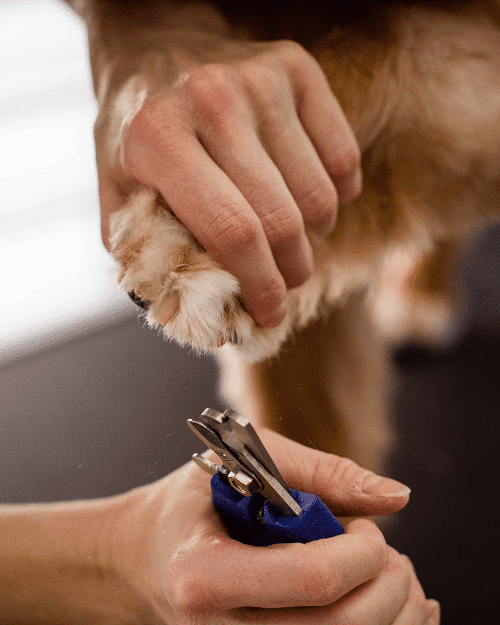
Before trimming, make your dog comfortable and relaxed. Use positive reinforcement—treats, praise, or gentle petting—to create a calm environment. Stand or sit in a well-lit area, and gently lift each paw, inspecting the fur and nails. Trim small sections at a time, paying close attention to the natural shape of the paw pads and avoiding the sensitive areas between toes. For fur, trim only the hair that extends beyond the paw pad or interferes with walking; avoid cutting into the pads themselves, which are thick and sensitive.
Professional groomers often recommend trimming with scissors that have rounded tips or specially designed grooming blades that minimize the risk of injury. For dogs with thick or curly fur, grooming clippers with adjustable blades are effective. Remember to keep your trimming session brief and stop immediately if your dog shows signs of stress or discomfort. Regular practice helps both you and your dog become accustomed to grooming routines, making future trims safer and less stressful for everyone involved.
Risks and Common Mistakes to Avoid During Paw Grooming
While paw trimming can be straightforward, several risks and common errors can compromise your dog’s safety. One of the biggest dangers is cutting into the paw pads or the quick—the sensitive, blood-rich area within the nails. Accidentally nicking this area can cause bleeding, pain, and potential infections. To avoid this, always work slowly, use the right tools, and never rush the process. If you’re inexperienced, consider seeking guidance from a professional groomer or veterinarian.
Another common mistake is trimming too much fur or nails at once, which can expose sensitive skin or cause bleeding. Over-trimming can also lead to discomfort or even limping if the paws become sore or irritated. It’s best to trim gradually and regularly, so you don’t need to remove large amounts of hair or nails at one time. Additionally, neglecting to check for foreign objects like glass shards, thorns, or debris lodged between the toes can result in infections or pain—so always inspect paws thoroughly before and after grooming.
Many pet owners also underestimate the importance of hygiene and proper restraint during grooming. For safety, it’s advisable to secure your dog with a gentle hold or use grooming gloves to prevent sudden movements. If your dog is particularly anxious or aggressive about paw trimming, using a calming aid or consulting a professional groomer or vet is wise. Remember, even minor cuts or irritations can become serious if not properly cared for, so prioritize patience and caution during every grooming session.
Recognizing Signs of Discomfort and When to Seek Professional Help
Your dog’s behavior during paw grooming can tell you a lot about their comfort level. Signs of discomfort include yelping, pulling away, squirming, licking, or biting at their paws. If your dog shows resistance or distress, it’s important to pause and reassess. Forcing a grooming session can cause trauma or injury, so often it’s better to take a break and try again later or consult a professional groomer. Persistent discomfort may indicate underlying issues such as injuries, infections, or skin conditions that require veterinary attention.
Other signs that your dog may be experiencing problems include limping, excessive paw licking, swelling, redness, or bleeding. Unusual odor or pus around the paw pads can also suggest infection. In such cases, professional help is necessary to diagnose and treat the underlying issue. If you notice any of these symptoms, schedule an appointment with your veterinarian promptly. Early intervention can prevent more severe health complications and ensure your dog remains comfortable and healthy.
In situations where your dog is highly anxious or aggressive about paw grooming, seeking help from a professional groomer or vet is highly recommended. These experts have specialized training and tools to handle sensitive or difficult dogs safely. They can also provide advice on ongoing maintenance routines, behavioral techniques to reduce stress, and medical interventions if needed. Remember, prioritizing your dog’s well-being and comfort is always the best approach when managing paw health.
Expert Recommendations for Maintaining Healthy and Comfortable Paws
Maintaining your dog’s paw health involves more than just trimming; it’s about creating a routine that supports overall paw hygiene and comfort. Experts recommend inspecting your dog’s paws weekly for signs of damage, foreign objects, or skin issues. Regular cleaning with warm water and gentle dog-safe wipes can remove dirt and chemicals like road salt or lawn treatments that can irritate their skin. Applying a pet-safe moisturizer or paw balm can also help prevent cracks and dryness, especially in winter months.
In addition to grooming, providing appropriate footwear or boots for outdoor walks can protect your dog’s paws from extreme temperatures, rough terrain, and harmful substances. For active dogs, trimming excess fur around the paws every few weeks can prevent matting and debris buildup, reducing the risk of infection. Remember, a healthy paw is a happy paw—so don’t neglect the importance of regular veterinary check-ups to catch issues early, such as infections, allergies, or injuries.
Lastly, training your dog to tolerate paw handling can make grooming easier and less stressful for both of you. Use positive reinforcement techniques—such as treats and praise—to reward calm behavior during paw inspections and trims. Creating a consistent grooming routine not only promotes paw health but also strengthens your bond with your pet. With patience, proper tools, and expert guidance, trimming and maintaining your dog’s paws can be a safe, simple, and enjoyable part of your pet care routine.
Conclusion
Trimming your dog’s paws is a vital aspect of responsible pet ownership that promotes comfort, hygiene, and overall health. When done correctly, with the right tools and techniques, paw grooming can be a safe and positive experience for both you and your dog. Understanding when and why to trim, recognizing risks, and knowing how to handle common mistakes are key to avoiding injuries or discomfort. Monitoring your dog’s behavior and health signs will help you identify when professional help is necessary, ensuring your pet remains happy and healthy.
Regular paw maintenance—paired with preventive care like cleaning, moisturizing, and protecting—can significantly improve your dog’s quality of life. Remember, patience and gentle handling go a long way in making grooming sessions stress-free. Whether you’re a first-time pet owner or a seasoned pro, staying informed and consulting with veterinary or grooming professionals will always support your goal of providing your furry friend with safe, effective, and caring paw care. Your dog’s happy, healthy paws are a testament to the love and attention you give every day.