


Vet-Approved Methods to Clean Your Dog’s Tear Stains Effectively
If you’re a dog owner, you’ve probably noticed those unsightly reddish-brown streaks running from your pet’s eyes down to their cheeks. Tear stains are a common concern, especially in breeds with flat faces, light-colored fur, or certain genetic predispositions. While tear stains can sometimes be simply a cosmetic issue, they can also indicate underlying health concerns. Fortunately, with the right approach, you can manage and reduce tear stains safely and effectively. In this article, we’ll explore vet-approved methods to clean your dog’s tear stains, covering causes, safe cleaning solutions, natural remedies, prevention tips, and when to seek veterinary advice.
Understanding Tear Stains in Pets and Their Causes
Tear stains are discolorations that appear as reddish or brownish streaks beneath a dog’s eyes, often more noticeable in breeds with light or white coats, such as Maltese, Shih Tzus, or Bichon Frises. These stains occur when tears overflow from the eyes and come into contact with the fur, causing oxidation and staining over time. While they may seem purely cosmetic, tear stains can sometimes signal health issues that require attention.
One primary cause of tear stains is excessive tear production, which can result from blocked tear ducts or eye irritations. Environmental factors, such as dust, pollen, or smoky air, can also contribute by irritating the eyes and triggering increased tearing. In some cases, food allergies or sensitivities may lead to ocular inflammation, further exacerbating tear staining. Breed-specific characteristics, like facial conformation, can predispose some dogs to tear drainage problems, leading to more frequent staining.
Underlying health conditions, such as infections, glaucoma, or eyelid abnormalities like entropion, can also promote tear staining. Additionally, poor hygiene, such as inadequate eye cleaning or accumulation of debris, can worsen the appearance of stains. Recognizing the root causes is vital because addressing the underlying issue often helps reduce or eliminate the stains altogether, rather than just masking them temporarily.
Safe and Effective Cleaning Solutions for Tear Stains
Cleaning your dog’s tear stains requires gentle, vet-approved solutions that won’t irritate their delicate eye area. Commercial tear stain removers are formulated specifically for this purpose and are typically safe when used as directed. Look for products containing natural ingredients like organic carriers and avoid harsh chemicals or perfumes that could cause further eye irritation or allergic reactions.
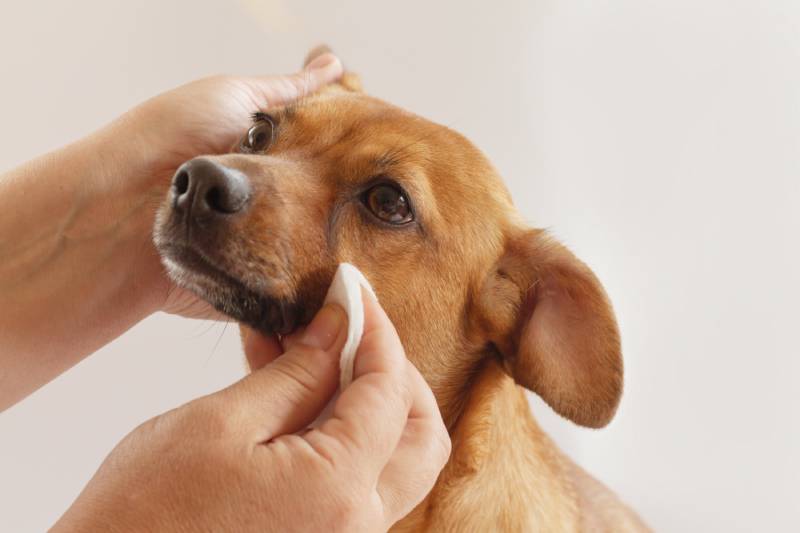
To clean tear stains effectively, start by gently wiping the area around your dog’s eyes with a soft, damp cloth or a pet-safe wipe designed for eye cleaning. Some vets recommend using a mixture of sterile saline solution or a vet-approved tear stain remover. Always ensure your hands are clean to avoid introducing bacteria or dirt into the eye area. For stubborn stains, you can use a cotton swab dipped in the cleaning solution, carefully wiping away the discoloration without pressing too hard.
It’s important to be consistent and patient. Clean your dog’s face at least once daily, especially in breeds prone to staining, and follow your veterinarian’s advice for frequency and products. Avoid using household chemicals, hydrogen peroxide, or alcohol, as these can cause irritation or damage to the eye area. Regular cleaning not only lightens existing stains but also helps prevent bacteria buildup, which could lead to infections or more severe eye issues.
Natural Remedies and Home Remedies Approved by Veterinarians
Many dog owners prefer natural remedies for tear stain removal, aiming to avoid chemicals and promote overall health. Veterinarians often recommend gentle, natural solutions that can be made at home or purchased as natural products. One popular option is diluted apple cider vinegar, which has natural antimicrobial properties and can help balance the skin’s pH. A diluted mixture (about one part vinegar to three parts water) can be applied with a soft cloth around the eyes, but it should never be poured directly into the eyes.
Another effective natural remedy is using herbal tea rinses, such as chamomile or green tea. These teas contain antioxidants and anti-inflammatory properties that can soothe irritated skin and reduce bacteria growth. Brew a strong, unsweetened tea, let it cool, then use a clean cloth to gently wipe the stained area. Consistent use can help diminish staining and promote healthier skin around the eyes.
Veterinarians also recommend ensuring your dog’s diet supports healthy skin and coat, which can influence tear stain severity. Incorporating omega-3 fatty acids, found in fish oil supplements, can reduce inflammation and improve tear duct health. Maintaining good hygiene, regular grooming, and avoiding environmental irritants can enhance the effectiveness of natural remedies, helping your dog look and feel their best without relying heavily on chemical products.
Preventive Tips to Minimize Tear Stain Formation
Prevention is always better than cure, especially with tear stains that tend to recur if underlying causes aren’t addressed. Regular grooming is essential—trim hair around the eyes to prevent debris accumulation that can contribute to irritation. Keep your dog’s face, especially in breeds with long hair, clean and dry to minimize moisture buildup, which fosters bacterial growth and staining.
Feeding your dog a high-quality, balanced diet can also significantly diminish tear stains. Some foods contain artificial dyes, fillers, or allergens that can worsen tear staining or cause allergies leading to increased tearing. Opt for dog foods formulated for sensitive skin or those with natural ingredients, and consider adding supplements like omega-3 fatty acids for their anti-inflammatory benefits. Proper nutrition supports immune health and overall skin condition, which can reduce the severity of tear staining.
Environmental management plays a role as well. Minimize exposure to dust, pollen, or smoke, which can irritate your dog’s eyes and promote tearing. Regularly cleaning your home and dog’s bedding reduces allergens. Providing a comfortable, clean, and allergen-free environment helps maintain your dog’s eye health and reduces the chances of tear duct blockages or infections that lead to staining.
When to Seek Veterinary Advice for Persistent Tear Stains
While minor tear stains can often be managed at home with regular cleaning and preventive care, persistent or worsening discoloration might indicate an underlying health problem that requires veterinary attention. If your dog’s tear stains are accompanied by other signs—such as swelling, redness, foul odor, excessive blinking, or discharge—consult your veterinarian promptly.
Persistent tear staining could be a symptom of more serious issues like eye infections, blocked tear ducts, or eyelid abnormalities such as entropion or ectropion. These conditions might necessitate medical intervention, including specialized treatments or surgical correction. A vet can perform a thorough ocular examination, identify any structural anomalies, and recommend appropriate treatment plans, which may include antibiotics or surgery if necessary.
Additionally, if your dog shows signs of discomfort, pawing at their eyes, or if the tear stains are accompanied by signs of systemic illness like lethargy or loss of appetite, it’s essential to seek veterinary care immediately. Proper diagnosis and treatment not only improve your dog’s appearance but also ensure their eye health and overall well-being are maintained. Regular veterinary check-ups are the best way to catch and address underlying issues early, preventing ongoing or worsening tear staining.
Conclusion
Managing your dog’s tear stains effectively requires a combination of understanding their causes, using vet-approved cleaning solutions, applying natural remedies responsibly, and implementing preventive measures. While routine cleaning with gentle, safe products can significantly improve the appearance of tear stains, underlying health issues should never be ignored. Maintaining good hygiene, providing a healthy diet, and minimizing environmental irritants are key steps in reducing tear staining over time. Remember, persistent or severe cases warrant professional veterinary evaluation to ensure your furry friend’s eye health is protected and any underlying conditions are properly addressed. With patience, consistent care, and professional guidance, you can keep your dog looking and feeling their best, free from distracting tear stains.