


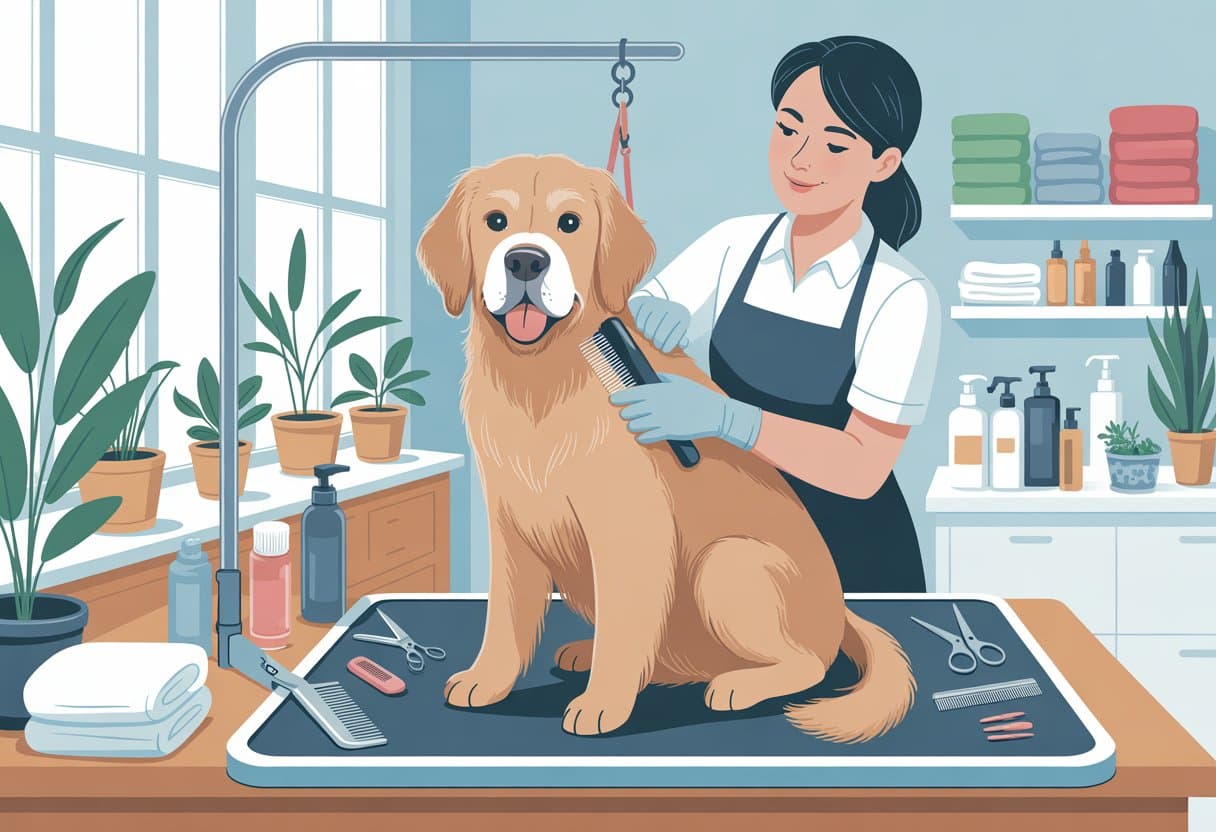
How to Properly Groom Your Senior Dog: Tips for a Safe and Gentle Approach
Grooming is an essential part of keeping your dog healthy, comfortable, and happy. However, as our furry friends age, their grooming needs and sensitivities change. Senior dogs often require a more gentle, patient approach to grooming to ensure they feel safe and stress-free. If you’re a pet owner navigating this new terrain, understanding how to properly groom your senior dog can make a significant difference in their quality of life. In this article, we’ll explore practical tips and strategies to help you groom your older dog safely, effectively, and with compassion.
Understanding the Unique Grooming Needs of Senior Dogs
As dogs age, their skin and coat conditions evolve, often requiring special attention. Unlike younger dogs, seniors tend to have thinner, more fragile skin that’s more prone to irritation and injury. Additionally, their coat may become dull, wiry, or sparse, making grooming a delicate process. Recognizing these changes is essential to adapt your grooming routine accordingly.
Older dogs may also develop health issues such as arthritis, dental problems, or sensory impairments, which can make grooming more challenging. For example, dogs with arthritis might find it painful to stand for extended periods or to be touched in certain areas. Similarly, hearing or vision loss can cause anxiety if grooming is not approached gently and predictably. Understanding these conditions helps you to approach grooming with patience and sensitivity, ensuring your dog feels secure throughout the process.
Furthermore, senior dogs often have a decreased ability to regulate their body temperature. Their coat may not provide the same insulation, making them more susceptible to cold or heat stress during grooming. This means you need to tailor your grooming environment—such as maintaining a warm, calm space—and choose appropriate tools and techniques. Overall, a tailored grooming routine that considers your senior dog’s physical and health status is fundamental for their comfort and well-being.
Preparing Your Senior Dog for Grooming Sessions
Preparation is key to a successful grooming session with your senior dog. First, choose a quiet, comfortable space free from distractions or loud noises that might startle or stress your dog. Having all your grooming tools ready and within reach—such as brushes, nail clippers, gentle shampoos, and towels—prevents unnecessary movement or stress during the process.
Before starting, spend some time to familiarize your dog with the grooming environment and equipment. Gentle petting, positive reinforcement, and offering treats can help create a positive association with grooming. If your dog is nervous or anxious, consider doing short, frequent sessions rather than one long session, gradually increasing their comfort level. Using calming aids like dog-specific pheromone sprays or calming music can also help relax your senior dog.
It’s also wise to perform a quick health check beforehand. Look for any signs of skin irritation, swelling, or unusual lumps. Check their paws and ears for debris or signs of infection. If your dog has mobility issues or pain, consult with your veterinarian about specific adaptations or assistance devices, such as a grooming table with a non-slip surface or a harness to support movement. Proper preparation not only makes grooming safer but also reinforces your dog’s trust and comfort during these routine sessions.
Essential Grooming Techniques for Older Dogs
Grooming techniques for senior dogs should prioritize gentleness and patience. When brushing, opt for soft-bristled or rubber brushes to avoid irritating delicate skin. Regular brushing helps remove loose hair, dirt, and prevents matting, which can be uncomfortable or painful for dogs with less mobility. Be attentive to areas prone to matting, like behind the ears, under the collar, and around the legs, and gently detangle without pulling.
Nail trimming is another vital aspect of grooming. Many senior dogs have brittle nails that grow quickly and can crack or split if left untrimmed. Use sharp, high-quality nail clippers designed for dogs and trim only small amounts at a time to avoid hitting the quick—a sensitive blood vessel inside the nail. If your dog is particularly anxious or has difficulty standing, consider using a dremel tool for gentle filing or seek professional grooming assistance.
Bathing should be infrequent but thorough, using a gentle, hypoallergenic dog shampoo suitable for sensitive skin. Lukewarm water and a soft sponge or cloth are best for cleaning your senior dog’s coat and skin. Be cautious around sensitive areas, and avoid excessive scrubbing that could cause irritation. After bathing, dry your dog thoroughly, especially in colder weather, to prevent chills. Incorporating these techniques into your grooming routine can make the experience safer, more comfortable, and more effective for your aging companion.
Managing Common Senior Dog Skin and Coat Conditions
Senior dogs often develop specific skin and coat issues that require tailored grooming strategies. For example, dry skin and dandruff are common in older dogs, often due to decreased oil production or underlying health problems. Regular moisturizing baths with vet-recommended products, along with proper diet and hydration, can help improve their skin condition. In some cases, supplementing with omega-3 fatty acids can promote a healthier coat and skin.
Another common concern is dermatitis or skin infections, which may cause redness, itching, and discomfort. These conditions often require veterinary diagnosis and treatment, but gentle grooming can help manage symptoms. Using hypoallergenic or medicated shampoos as prescribed by your vet can soothe irritated skin. Regularly inspecting your dog’s skin during grooming can help catch issues early and prevent complications.
Coat changes such as thinning hair or the development of wiry or brittle hair may require specific grooming techniques or products. For example, regular conditioning treatments or detangling sprays can help manage wiry coats, making grooming easier and reducing discomfort. Additionally, maintaining a healthy diet rich in essential fatty acids and ensuring your dog’s overall health supports skin and coat health. Being vigilant about these conditions and adapting your grooming approach accordingly ensures your senior dog remains comfortable and healthy.
Tips for Ensuring a Comfortable and Stress-Free Grooming Experience
Creating a positive grooming experience for your senior dog hinges on patience, gentleness, and consistency. Always approach grooming sessions calmly, speaking softly and reassuringly to your dog to reduce anxiety. Using treats and praise throughout the process reinforces positive associations and encourages cooperation, especially during potentially uncomfortable tasks like nail trimming or brushing.
Timing is also crucial—schedule grooming sessions at a time when your dog is well-rested and in good spirits. Short, frequent grooming sessions are often more effective and less overwhelming than infrequent, lengthy ones. Pay close attention to your dog’s body language; signs of stress or discomfort should prompt you to pause, comfort them, or switch to a different task.
Finally, consider seeking professional grooming help if your senior dog has special needs or health concerns that make grooming difficult or unsafe to do at home. Professional groomers experienced with elderly dogs can offer specialized care and techniques, ensuring your pet’s grooming is both safe and pleasant. Remember, grooming isn’t just about appearance—it’s an important part of your senior dog’s health care, and making it a gentle, positive experience can greatly enhance their comfort and well-being.
Conclusion
Grooming your senior dog requires a gentle touch, patience, and an understanding of their evolving needs. By recognizing the unique skin and coat conditions that come with age, preparing thoughtfully for each grooming session, and employing safe, effective techniques, you can ensure your dog remains comfortable, healthy, and happy. Managing common health issues proactively and creating a stress-free environment are vital steps in maintaining your senior dog’s dignity and wellbeing. With love, care, and the right approach, grooming can become a bonding experience that strengthens your relationship and enhances your dog’s quality of life well into their golden years.