


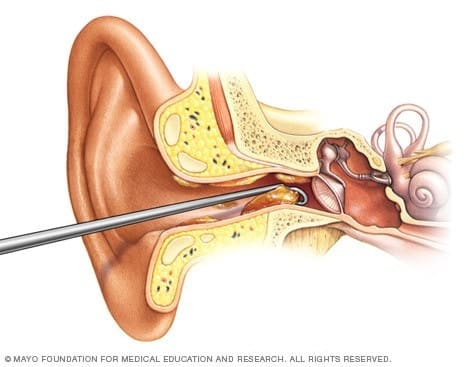
How to Safely and Effectively Remove Ear Wax Build-Up
Ear wax, also known as cerumen, is a natural substance that plays a vital role in protecting and maintaining the health of our ears. However, when it accumulates excessively, it can lead to discomfort, hearing problems, and even infections. Many people wonder how to safely remove ear wax build-up without risking damage to their ears. In this article, we’ll explore the causes of ear wax build-up, safe methods for softening and removing it, step-by-step techniques, when to seek professional help, and tips to prevent future issues. Whether you’re experiencing mild discomfort or just want to understand ear health better, read on to learn how to keep your ears clean and healthy safely.
Understanding Ear Wax Buildup and Its Causes
Ear wax is produced by glands in the ear canal and serves as a natural lubricant and protector against dust, microorganisms, and debris. Usually, the ear cleans itself as jaw movements help move old wax out of the canal. Yet, sometimes, wax can accumulate excessively due to various factors, leading to impaction that causes discomfort or hearing problems. Understanding why ear wax builds up can help you take proactive steps to manage it.
Several factors contribute to ear wax buildup. For some individuals, the shape of their ear canal naturally traps more wax, making them more prone to impaction. Using cotton swabs or other objects to clean the ears can push wax deeper into the canal rather than remove it, leading to blockage. Certain age-related changes also cause the wax to become drier and harder, making it more difficult to naturally exit the ear. Additionally, individuals who frequently wear hearing aids or earplugs may experience increased wax accumulation because these devices can block wax from leaving the ear naturally.
Environmental and lifestyle factors influence ear wax production as well. Exposure to dust, pollution, or irritants can stimulate increased wax production as a protective response. Skin conditions like eczema or infections can also alter the composition of ear wax, making it thicker or more prone to impaction. Recognizing these causes helps you understand that ear wax buildup isn’t necessarily a sign of poor hygiene but is often a normal, protective process that sometimes needs gentle management.
Safe and Effective Methods for Softening Ear Wax
Before attempting to remove ear wax, softening it is crucial to prevent discomfort or injury. Using safe, proven methods to soften wax ensures a more comfortable removal process and reduces the risk of damaging sensitive ear tissues. The most common approach involves using ear drops designed specifically for wax softening, which can be found over-the-counter or through your healthcare provider.
Saline solutions, mineral oil, and commercial cerumenolytic drops are popular options for softening ear wax. These solutions help to break down the hardened wax, making it easier to naturally exit the ear or be safely removed. Applying a few drops into the affected ear while tilting your head allows the solution to penetrate the wax effectively. It’s generally recommended to do this once or twice daily for several days, depending on the severity of the build-up. Always follow the instructions on the product and consult your healthcare provider if unsure.
It’s equally important to avoid unsafe methods such as using cotton swabs, hairpins, or other objects to try to dislodge or remove wax. These can push wax further into the ear canal, cause ruptures, or damage the eardrum. Also, avoid using home remedies like oil-based solutions or attempting to irrigate your ears with water or other liquids if you have ear infections, perforations, or tubes in your ears. When in doubt, professional advice can help you choose the safest and most effective way to soften and remove stubborn ear wax.
Step-by-Step Guide to Ear Wax Removal Techniques
When dealing with ear wax build-up, gentle and methodical techniques are key to ensuring safety and effectiveness. Here’s a step-by-step guide to help you safely remove ear wax at home, or prepare for professional procedures if needed.
Step 1: Prepare Your Supplies
Gather ear drops, a clean bulb syringe (if recommended), a towel, and a mirror. Make sure your hands are clean, and your workspace is quiet and comfortable. If you’re unsure about the process, consult a healthcare professional first.
Step 2: Soften the Wax
Apply 2-3 drops of cerumen-softening solution into the affected ear while tilting your head. Keep the drops in for 5-10 minutes to allow the solution to loosen the wax. You can repeat this process for several days if needed, especially if the wax is impacted.
Step 3: Flush Out the Wax
After softening, gently irrigate the ear with warm water using a bulb syringe. Tilt your head over a sink and gently squirt water into the ear canal. Avoid forcing water in; gentle pressure is sufficient. Let the water and loosened wax drain out naturally. Never use force or sharp objects during this step.
Step 4: Dry the Ear
Use a soft towel or a hairdryer on a low, cool setting to gently dry the ear canal after irrigation. Keeping the ear dry helps prevent infection and further wax buildup. If you experience discomfort or have a history of ear problems, consider seeking a professional ear cleaning instead of attempting irrigation at home.
Step 5: Observe and Repeat if Necessary
Monitor your ears for relief. Mild wax buildup may require only one or two sessions, while more impacted wax might need several attempts over time. If the wax persists or causes discomfort, it’s advisable to seek professional help rather than continue home treatments.
Remember, never attempt to remove ear wax with sharp objects, hairpins, or cotton swabs. These can push wax deeper, cause injury, or lead to infections. When in doubt, consulting a healthcare provider ensures safe and effective removal.
When to Seek Professional Medical Assistance for Ear Cleaning
While many cases of ear wax buildup can be managed at home with proper care, there are specific situations where professional evaluation and removal are necessary. Recognizing these signs can help prevent complications and ensure your ear health remains protected.
Persistent pain, bleeding, or water drainage from the ear are clear indicators that you should seek medical attention promptly. These symptoms may signal an ear infection, perforation, or injury caused by improper cleaning methods. Additionally, if you experience sudden hearing loss, dizziness, or a sensation of fullness that doesn’t improve with home treatment, consulting a healthcare professional is essential. These could be signs of impaction or other underlying issues requiring specialized care.
Healthcare providers employ safe, effective methods such as microsuction or professional irrigation to remove stubborn wax safely. Microsuction involves using a gentle suction device under magnification, providing a precise and comfortable way to clear impacted wax. Ear irrigation performed by a trained professional is safe when the ear canal is healthy and free of perforations, and it minimizes the risk of injury. If you have a history of ear surgeries, tubes, perforations, or ear infections, it’s particularly important to seek professional assistance rather than attempting home removal.
Remember, attempting DIY removal methods in complicated or sensitive cases can result in injury, infections, or worsened impaction. Regular check-ups and professional ear cleaning are important parts of maintaining ear health, especially if you’re prone to excessive wax production or experiencing recurrent issues.
Tips for Preventing Future Ear Wax Accumulation and Maintaining Ear Health
Prevention is always better than cure, especially when it comes to ear health. Simple lifestyle adjustments and awareness can help reduce the risk of excessive wax buildup, keeping your ears clean and functioning optimally. Incorporating these tips into your routine can promote natural ear cleaning and overall ear health.
First, avoid inserting objects like cotton swabs or hairpins into your ears. These common habits often push wax deeper and can cause injury or impaction. Instead, focus on gentle cleaning of the outer ear with a soft cloth or washcloth during routine bathing. Regular hygiene helps prevent dirt and debris from accumulating in the outer ear, reducing the need for deeper cleaning.
Second, stay hydrated and maintain a healthy diet to support the natural processes of your body, including ear health. If you wear hearing aids or earplugs regularly, clean and inspect these devices frequently to prevent wax trapping and infections. Using properly fitted and clean devices reduces irritation and promotes natural wax exit from the ear canal.
Lastly, schedule regular check-ups with an audiologist or healthcare provider, especially if you experience frequent issues with ear wax or hearing difficulties. Routine evaluations can address minor problems before they become severe, and professional cleanings can be part of your preventive care plan. If you’re prone to excess wax, discuss options like routine professional removal or using specific ear drops to manage buildup effectively.
Conclusion
Navigating ear wax removal safely and effectively involves understanding the causes of buildup, using gentle and appropriate softening methods, and knowing when to seek professional help. By following a step-by-step approach—combined with preventive tips—you can maintain healthy ears and avoid complications like impaction, infections, or hearing loss. Remember, your ears are delicate, and patience, caution, and informed choices are key to keeping them clean and healthy for years to come. If doubts or persistent symptoms arise, consulting a healthcare professional remains the safest route to optimal ear health.