


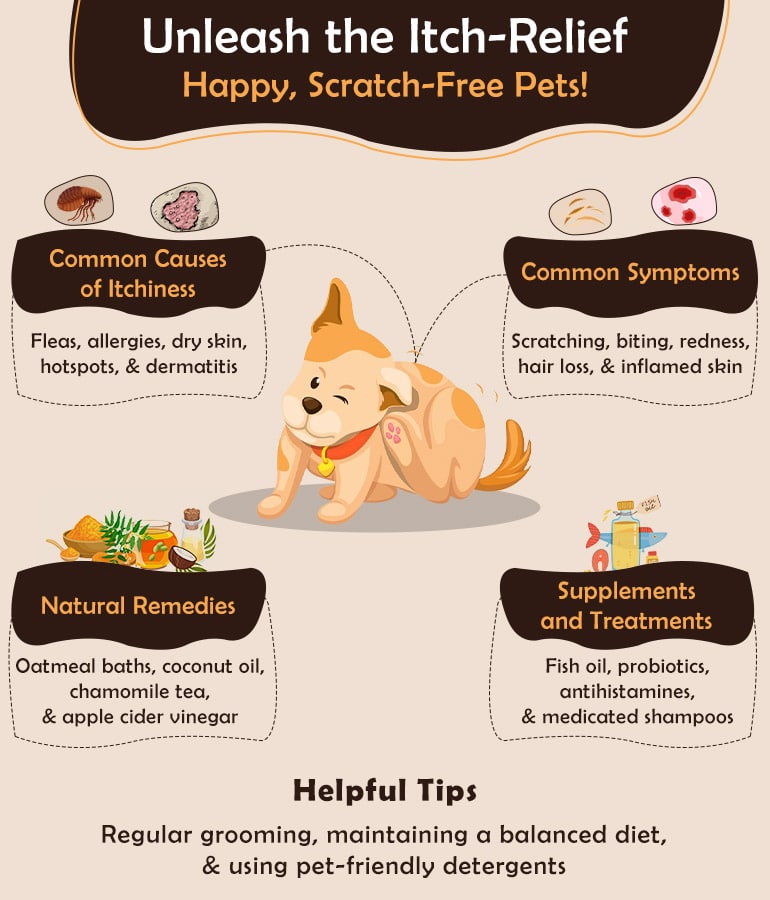
How to Control Your Dog’s Itchy Patches: Essential Tips for Pet Owners
If you’ve noticed your furry friend scratching more than usual, licking their paws excessively, or developing red, irritated patches on their skin, you’re not alone. Itchy patches are a common concern among dog owners and can be caused by a wide range of issues—from allergies and parasites to infections and environmental irritants. Understanding the root causes and knowing how to respond can make a significant difference in your dog’s comfort and overall health. In this comprehensive guide, we’ll explore how to identify the causes of itchy skin, provide effective at-home remedies, recognize when veterinary intervention is necessary, and outline long-term strategies to keep your dog’s skin healthy and itch-free.
Let’s dive into the essential tips that will help you manage your dog’s itchy patches effectively, ensuring your pet remains happy, healthy, and comfortable for years to come.
Recognizing Common Causes of Itchy Patches in Dogs
Understanding the underlying causes of itchy patches is the first step toward effective management. Itchy skin in dogs can stem from a variety of factors, each requiring different approaches for treatment. Common causes include allergies (food, environmental, or contact), parasites such as fleas or mites, bacterial or fungal infections, and underlying health conditions like hormonal imbalances.
Food allergies are a frequent culprit, often manifesting as itchy patches, particularly around the face, ears, paws, or belly. These allergies develop over time as your dog’s immune system reacts to specific ingredients in their diet, such as beef, dairy, or grains. Environmental allergies, or atopy, involve sensitivities to pollen, mold, dust mites, or other airborne allergens, which typically cause itchiness around the face, paws, and ears. Contact dermatitis occurs when your dog comes into direct contact with irritating substances like certain cleaning products, grass, or chemicals, leading to localized itching and inflammation.
Parasites like fleas are perhaps the most well-known cause of itchy skin in dogs. Flea bites trigger intense itching and allergic reactions in many dogs, resulting in hotspots, hair loss, and irritated patches. Mites, including mange mites, can also cause severe skin issues, leading to hair loss and crusty lesions. Additionally, bacterial or fungal infections may develop secondary to scratching, creating a cycle of discomfort that worsens over time. Recognizing these causes involves observing patterns—such as seasonal worsening with pollen or biting at specific areas—and consulting your veterinarian for proper diagnosis.
Effective At-Home Remedies and Immediate Relief Strategies
When your dog develops itchy patches, prompt relief can make all the difference in preventing further damage or secondary infections. Several at-home remedies can provide immediate comfort while you work on identifying and addressing the underlying issue. First, regularly bathing your dog with a soothing, medicated shampoo designed for itchy skin can help remove allergens, soothe inflammation, and reduce microbial buildup. Look for shampoos containing ingredients like oatmeal, aloe vera, or chlorhexidine, which are gentle yet effective.
Applying natural remedies, such as coconut oil, can also offer relief. Coconut oil has antimicrobial, anti-inflammatory, and moisturizing properties that can help soothe irritated skin and promote healing. Gently massaging a small amount of virgin coconut oil onto the itchy patches can reduce inflammation and provide a protective barrier. Additionally, an omega-3 fatty acid supplement can support skin health from the inside out by reducing inflammation and improving coat quality.
For immediate relief, keeping your dog from scratching excessively is crucial. Using an Elizabethan collar (cone) prevents further self-trauma and allows the skin to heal. Managing environmental factors, like removing potential irritants or allergens from your home, can also reduce discomfort. While these remedies can offer short-term relief, they should always be part of a broader plan that includes veterinary guidance, especially if symptoms persist or worsen.
Identifying When to Seek Veterinary Care for Skin Issues
While many causes of itchy patches can be managed with at-home care, certain signs indicate that it’s time to consult your veterinarian. Persistent or worsening symptoms—lasting more than a few days despite home treatment—are a clear signal that professional assessment is needed. If your dog develops open sores, bleeding, or signs of infection like pus, it’s important to seek veterinary attention promptly.
Other warning signs include hair loss in patches, a foul odor, crusty or scaly skin, or the presence of fleas or ticks. If your dog is excessively licking or biting at specific areas, or if they’re showing signs of discomfort such as whining or restlessness, these are indicators that their skin health requires veterinary diagnosis. Additionally, symptoms like swelling, fever, lethargy, or loss of appetite should never be ignored, as they may point to more serious underlying health issues.
Veterinary visits might involve skin scrapings, allergy testing, or blood work to pinpoint the exact cause of the problem. Proper diagnosis allows for targeted treatment, whether it involves prescription medications, allergy management plans, or specialized therapies. Prompt veterinary care can prevent secondary infections and help your dog recover faster, restoring their comfort and well-being.
Long-Term Skin Health Maintenance and Preventative Measures
Maintaining healthy skin and preventing future itchy episodes involves a proactive approach to your dog’s overall health and environment. Regular grooming is essential—brushing your dog’s coat helps remove loose hair, dirt, and potential allergens, while also distributing natural oils that support skin health. Bathing with gentle, veterinarian-approved shampoos on a regular schedule keeps the skin clean and reduces the buildup of irritants.
Diet plays a crucial role in skin health. Providing a balanced, high-quality diet rich in omega-3 and omega-6 fatty acids supports a healthy coat and reduces inflammation. Consult your veterinarian about incorporating supplements if your dog has recurring skin issues. Additionally, controlling environmental allergens by keeping your home clean, using air purifiers, and avoiding exposure to pollen or mold can help minimize allergic reactions. Regular flea and tick prevention is vital to avoid parasitic infestations that cause itching and discomfort.
Routine veterinary check-ups can catch skin problems early, allowing for timely intervention. If your dog shows signs of allergies or sensitivities, working with your vet to develop a tailored management plan can prevent flare-ups. Remember that patience and consistency are key—long-term skin health requires ongoing care, preventive strategies, and a keen eye for early signs of trouble.
Choosing the Right Products and Treatments for Itchy Skin
Selecting appropriate products for your dog’s itchy skin is essential for safe and effective relief. Always prioritize veterinarian-recommended shampoos, topical treatments, and supplements, especially if your dog has underlying health issues. Look for shampoos formulated to soothe and repair irritated skin, containing proven ingredients like oatmeal, aloe vera, or medicated agents such as chlorhexidine or ketoconazole if fungal or bacterial infections are involved.
When considering topical treatments, avoid human products or those containing harsh chemicals, which can worsen irritation. Instead, opt for veterinarian-prescribed ointments, sprays, or medicated wipes designed for canine skin. Additionally, choosing high-quality, hypoallergenic dog foods and supplements with omega fatty acids can promote healthy skin from within. If your veterinarian recommends antihistamines, corticosteroids, or other medications, follow their guidance carefully to avoid adverse effects.
Preventative products like flea and tick preventatives, allergy sprays, or environmental shields also play a role in managing itchy patches. Be cautious with over-the-counter remedies—always consult your vet to ensure compatibility with your dog’s specific health needs. Proper product selection and adherence to veterinary advice can significantly improve your dog’s skin condition and prevent recurrent issues.
Conclusion
Dealing with itchy patches in dogs can be challenging, but informed and proactive care makes a world of difference. Recognizing the common causes—such as allergies, parasites, or infections—helps you tailor your response, whether through simple at-home remedies or veterinary intervention. Immediate relief strategies like soothing baths, natural oils, and protective collars can ease your dog’s discomfort while you work on identifying and eliminating triggers.
Knowing when to seek veterinary care is crucial; persistent or severe symptoms, signs of infection, or systemic issues require professional diagnosis and treatment. Long-term skin health depends on consistent grooming, a balanced diet, environmental management, and preventative care. Choosing the right products—vet-approved shampoos, topical treatments, and supplements—ensures safe and effective management.
By understanding the underlying causes and implementing a comprehensive care plan, you can help your dog enjoy a comfortable, itch-free life. Remember, your veterinarian is your best resource for personalized advice, so don’t hesitate to seek their guidance whenever needed. With patience and proper care, you can control your dog’s itchy patches and promote healthier, happier skin for your beloved pet.