


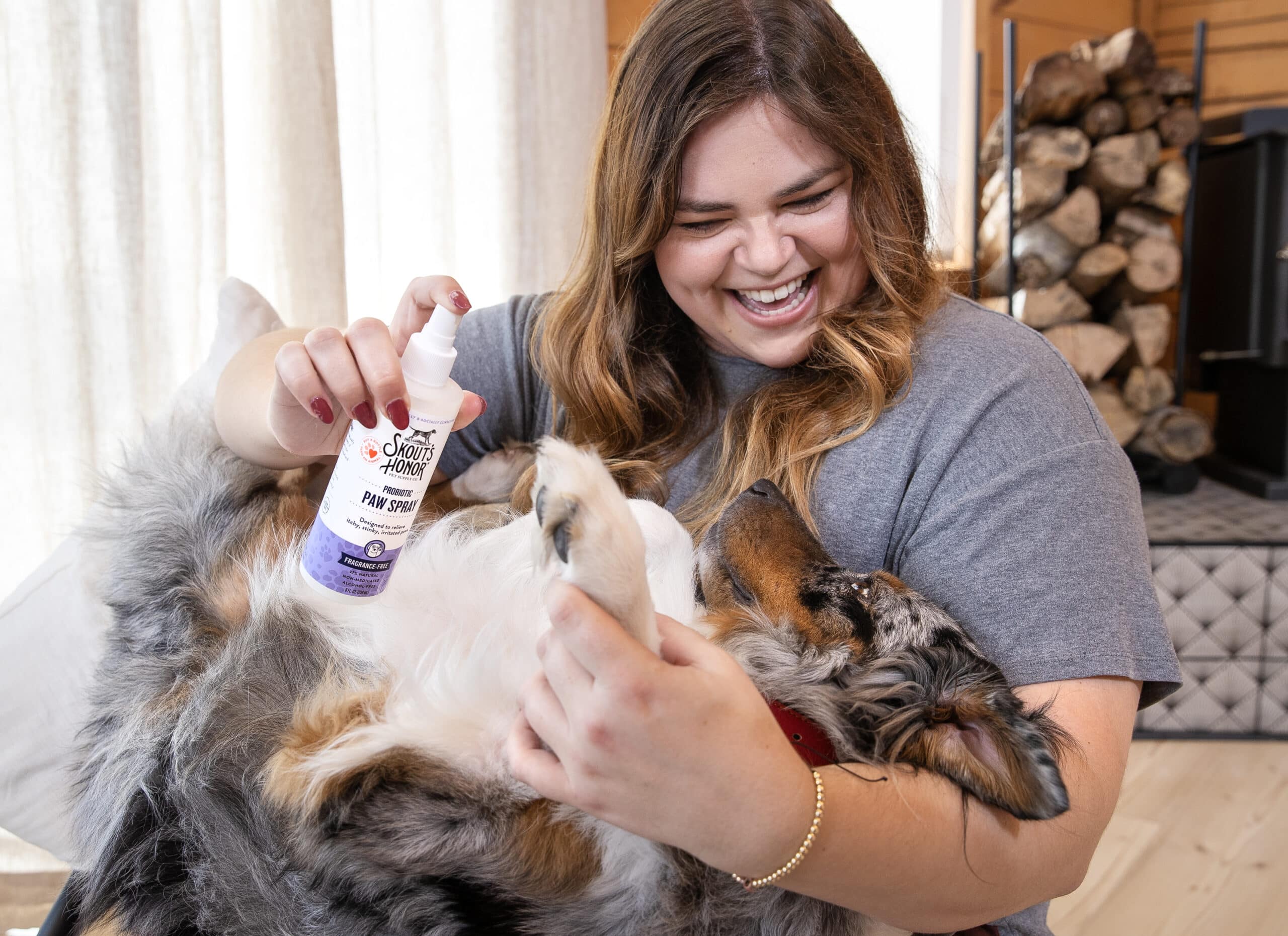
Ultimate Guide to Cleaning Dog Fur Between Pads for a Clean, Healthy Pooch
Owning a dog is a rewarding experience filled with love, companionship, and fun adventures. However, maintaining your furry friend’s health, especially their foot hygiene, often takes more attention than many pet owners realize. One area that can easily be overlooked is the fur between a dog’s paw pads. Dirt, debris, and moisture can accumulate here, leading to discomfort, infections, and even paw pad injuries if not properly cleaned. This guide aims to walk you through everything you need to know about cleaning dog fur between pads, ensuring your pup stays happy, healthy, and comfortable.
Understanding the Importance of Cleaning Dog Fur Between Pads for Overall Foot Health
Many dog owners focus on trimming nails and cleaning the paw surface, but the fur between paw pads often gets neglected. This area acts as a trap for dirt, mud, grass, and other debris, especially during walks or outdoor play. When that debris isn’t cleaned regularly, it can cause irritation, bacterial or fungal infections, or even lead to painful matting of the fur. Clean, healthy paws contribute significantly to a dog’s overall mobility and comfort, making this an essential aspect of regular grooming.
Furthermore, dogs with longer fur or breeds with dense coats are more prone to trapping debris between their pads. This can also create a moist environment if moisture isn’t cleaned promptly, leading to fungal infections like yeast infections or hotspots. By maintaining cleanliness between the pads, you reduce the risk of these issues and promote a healthier environment for the paw tissues. Regular cleaning not only prevents health problems but also allows you to spot early signs of injury, swelling, or abnormalities that might otherwise go unnoticed.
In addition to health benefits, keeping the fur between paw pads clean improves your dog’s overall hygiene and odor control. Dirt and bacteria that build up can cause unpleasant smells and contribute to skin irritation. Consistent cleaning fosters better hygiene, lessens discomfort during walks, and keeps your pup’s paws looking neat and well-cared-for. In essence, investing a little time in cleaning between pads can make a significant difference in your dog’s comfort, health, and happiness.
Tools and Supplies Needed for Effective Cleaning of Dog Fur Between Pads
To keep your dog’s paws in tip-top shape, you’ll need the right tools and supplies. Having everything prepared beforehand makes the cleaning process smoother and more efficient. The essential items include gentle grooming brushes, paw wipes, and cleaning solutions formulated specifically for dogs. Avoid using human products like soap or alcohol-based wipes, as they can dry out or irritate your pup’s sensitive skin.
A soft-bristled brush or a small grooming comb is perfect for gently removing loose fur and debris from between the paw pads. Many pet owners prefer rubber grooming mitts or specialized paw cleaning tools that can gently massage and clean at the same time. For more thorough cleaning, consider using veterinarian-approved paw wipes or damp cloths. These products are designed to effectively remove dirt and bacteria without causing discomfort. If your dog is particularly prone to mud or excessive debris, a portable water spray or a gentle pet-friendly cleanser can be helpful for rinsing out stubborn dirt.
Other useful supplies include antiseptic sprays or topical solutions, especially if your dog is prone to paw infections or has existing skin conditions. Additionally, keep a towel handy to dry the paws thoroughly after cleaning—moisture trapped between pads can promote bacterial growth. For trimming fur, use sharp, dog-specific scissors or grooming clippers to avoid accidental cuts. Remember, the goal is to be gentle yet thorough, so having high-quality, dog-safe products is essential for a positive grooming experience.
Step-by-Step Techniques for Safely and Thoroughly Cleaning Dog Fur Between Pads
Cleaning between a dog’s paw pads might seem tricky at first, but following a structured, gentle approach ensures both safety and effectiveness. Start by choosing a quiet, comfortable spot where your dog feels secure. If your dog is nervous or uncooperative, use treats and positive reinforcement to make the process pleasant. Place your dog in a sitting or standing position, depending on their size, to access their paws comfortably.
Begin by lightly inspecting the paw pads for any signs of injury, swelling, or foreign objects. If you find debris like small stones or grass, carefully remove it with your fingers or a pair of tweezers designed for grooming. Next, dip a clean, soft cloth, or paw wipe into warm water or use a damp groomer’s cloth to gently wipe between the pads. Focus on each space, ensuring you remove dirt, mud, and excess fur that may trap debris. For stubborn dirt, a gentle scrubbing with a soft-bristled brush or rubber grooming mitt can loosen debris without causing discomfort.
If you prefer using cleaning solutions or wipes, choose products specifically formulated for dogs, spray or apply them sparingly, and gently massage the solution into the fur and between the pads. After cleaning, dry the area thoroughly with a soft towel, paying special attention to the spaces between the pads to prevent moisture buildup. For longer fur, trimming the hair between pads can help reduce future debris accumulation and make cleaning easier. Be cautious and gentle around sensitive areas, and always reward your dog with praise or treats afterward to make paw care a positive experience.
Tips for Preventing Dirt and Debris Accumulation in Dog Fur Between Pads
Prevention is always better than cure, especially when it comes to your dog’s paw health. Regularly inspecting and cleaning your dog’s paws before and after walks can significantly reduce the buildup of dirt and debris. Using protective gear like dog booties can shield paws from mud, snow, and rough terrain, minimizing the amount of debris that gets lodged between the pads. While not every dog tolerates booties, they can be invaluable in muddy or icy conditions.
Another effective preventative measure is regular grooming that includes trimming the fur between the paw pads. Keeping the hair short and neat not only looks tidy but also prevents it from trapping dirt and moisture. For breeds with thick or long fur, scheduling routine trims every few weeks can be a game-changer. Additionally, establishing a routine of wiping or rinsing paws after outdoor activities helps prevent dirt and mud from drying and becoming embedded in the fur. Consider using dog-specific paw wipes or rinses that can quickly remove surface dirt and bacteria.
Finally, paying attention to your dog’s environment can make a big difference. Avoid walking on excessively muddy or debris-filled paths when possible, and try to keep your yard clean and free of sharp objects or irritants. Regularly washing your dog’s bedding and cleaning the areas where your dog spends time also reduces the chance of dirt transferring to their paws. By taking proactive steps, you can keep your dog’s paws clean and healthy, reducing the frequency and intensity of cleaning sessions needed.
Maintenance Routines and Regular Care Practices to Keep Dog Feet Healthy
Maintaining your dog’s paw health requires consistent routines that incorporate paw inspection, cleaning, and grooming into your regular schedule. Aim to check your dog’s paws at least once a week, paying attention to signs of dryness, cracking, redness, or injury. During these inspections, look between the pads for accumulated dirt, hair, or foreign objects, and clean as necessary. Regular maintenance prevents minor issues from developing into more serious health concerns.
Establishing a grooming routine that includes trimming fur between the pads every 3-4 weeks can significantly reduce debris buildup. Coupled with weekly paw inspections and cleaning, this practice keeps the paw environment clean and dry. If your dog is active outdoors, consider increasing the frequency of cleaning, especially after muddy walks or outdoor playdays. Using moisturizing paw balms or natural oils can also prevent dryness and cracking, especially in cold or hot weather, promoting smooth, healthy skin.
In addition to physical grooming, keeping an eye on your dog’s overall health is crucial. Regular check-ups with your veterinarian can help identify early signs of infections, allergies, or other paw-related issues. Remember, paws are sensitive and prone to environmental irritants, so adapting your care routine to your dog’s lifestyle and specific needs is key. Consistent, gentle care fosters strong, healthy paws, and enhances your dog’s overall well-being.
Conclusion
Your dog’s paws are essential for mobility, comfort, and overall health—yet they often go neglected. By understanding the importance of cleaning the fur between pads, equipping yourself with the right tools, and adopting effective techniques, you can ensure your dog’s feet stay clean, healthy, and comfortable. Preventative measures like regular grooming, environment management, and routine inspections minimize debris buildup and reduce the risk of infections or injuries.
Consistency is the cornerstone of paw health maintenance. Incorporate cleaning and grooming into your weekly routine, and always be attentive to any signs of discomfort or abnormalities. Remember, a clean paw is a happy paw, and keeping your dog’s feet in pristine condition contributes to their happiness and longevity. Your attentive care not only enhances your dog’s quality of life but also strengthens the bond you share. So, take the time, use the right supplies, and make paw hygiene a priority—your furry friend will thank you!