


Vet-Approved Tips for Managing Your Pet’s Shedding Effectively
If you’re a pet owner, chances are you’ve faced the daily challenge of pet hair taking over your home. Shedding is a natural part of many animals’ lives, but it can sometimes feel overwhelming or even concerning, especially when you notice excessive hair loss or skin issues. Luckily, with the right knowledge and grooming habits, you can manage your pet’s shedding effectively, keeping your home cleaner and your furry friend healthier. This article dives into vet-approved strategies to understand, minimize, and control shedding, so both you and your pet can stay comfortable and happy.
Understanding Pet Shedding: Causes and Common Patterns
Shedding is your pet’s way of renewing their coat, but the amount and pattern can vary widely depending on the breed, season, health, and environment. Recognizing these patterns is essential in distinguishing normal shedding from potential health issues. Typically, dogs and cats shed in response to changes in daylight, temperature, and hormonal cycles. For example, many breeds shed more heavily in spring and fall as they transition between winter and summer coats.
Certain breeds are known for heavy shedding, such as Labrador Retrievers or Siberian Huskies, while others like Poodles or Bichon Frises are considered hypoallergenic and shed minimally. Understanding your pet’s breed-specific shedding tendencies can help set realistic expectations and guide grooming routines. Besides breed, factors like stress, nutritional deficiencies, allergies, or underlying skin conditions can cause abnormal shedding patterns, so it’s important to monitor your pet closely.
Excessive shedding might also be a sign of health issues such as parasites, infections, or hormonal imbalances like hypothyroidism. Seasonal shedding is normal, but if you notice patches of missing hair, redness, scaling, or hair loss beyond the usual seasonal cycle, consulting your veterinarian is crucial. Recognizing these patterns enables early intervention and helps prevent more serious dermatological problems down the line.
Effective Grooming Techniques to Minimize Hair Loss
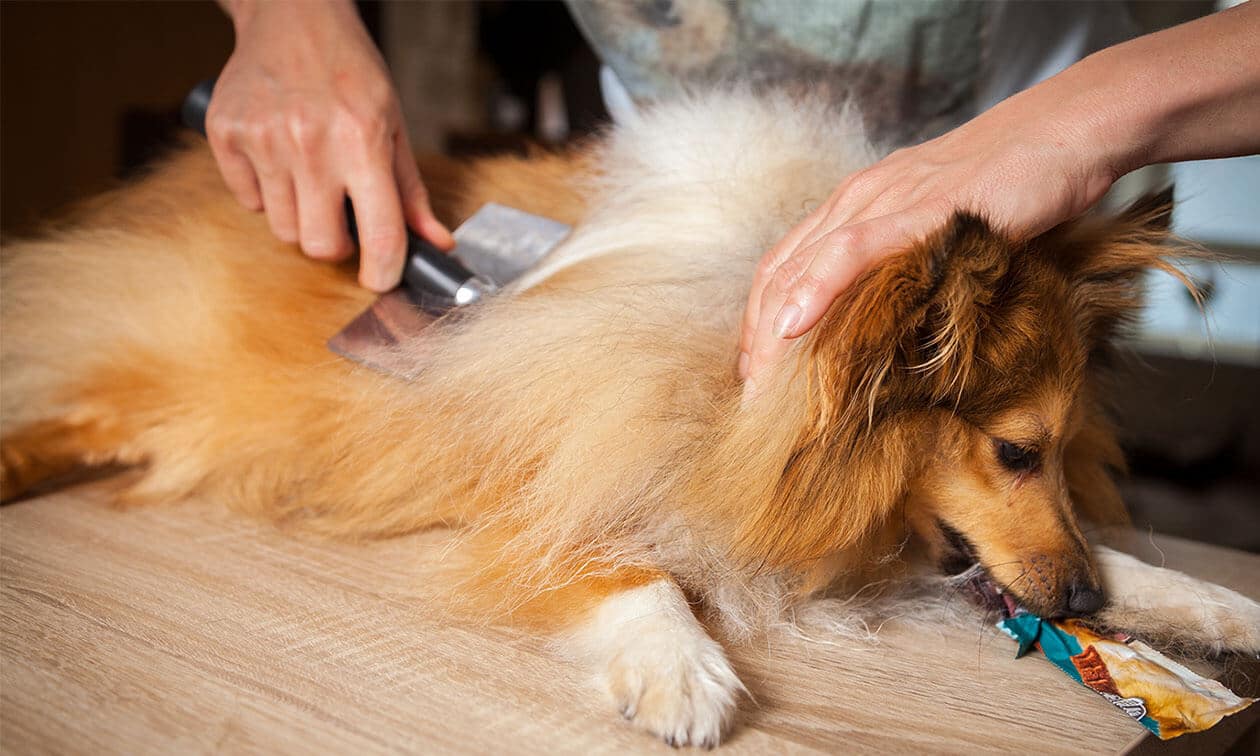
Regular grooming is the cornerstone of managing pet shedding effectively. Brushing your pet’s coat daily or several times a week helps remove loose hair before it falls around your home, reducing hair accumulation and hairballs in cats. Using the right brush for your pet’s coat type—such as slicker brushes for long-haired breeds or rubber grooming gloves for short-haired animals—can make a significant difference in how much hair you collect and how healthy the skin remains.
Proper grooming doesn’t just control shedding; it also promotes healthier skin and coat. During bathing, use pet-specific shampoos that nourish the skin and coat without stripping natural oils. An occasional conditioner or leave-in spray can help keep the coat shiny and less prone to breakage, which can contribute to shedding. Additionally, regular bathing can loosen and remove excess hair, dirt, and debris that may irritate the skin and lead to increased shedding.
Beyond brushing and bathing, routine ear cleaning, nail trimming, and dental care are integral to overall health, which directly impacts shedding patterns. Stress can contribute to increased shedding, so maintaining a calm environment and providing mental stimulation can also help keep shedding under control. Consistency is key—establishing a grooming schedule not only keeps shedding manageable but also strengthens the bond between you and your pet.
Nutritional Strategies to Promote Healthy Coat and Reduce Shedding
Your pet’s diet plays a vital role in the health of their coat and skin, directly influencing shedding levels. A balanced diet rich in omega-3 and omega-6 fatty acids, such as those found in fish oil supplements or high-quality commercial foods, can significantly improve coat condition and reduce excessive shedding. These fats help keep the skin moisturized, diminish dryness and flakiness, and strengthen hair strands, making shedding less noticeable.
In addition to fatty acids, ensure your pet’s diet provides adequate protein, vitamins, and minerals essential for healthy hair growth. Nutrients like biotin, zinc, and vitamins A, E, and D support skin health and coat quality. Sometimes, dietary deficiencies are a hidden cause of excessive shedding, so consulting your veterinarian about supplement options can be beneficial—especially for pets on homemade or limited ingredient diets.
Avoid feeding your pet table scraps or low-quality food that may contain fillers, allergens, or artificial additives. Overfeeding or underfeeding can also cause skin and coat issues, so maintaining a consistent, portion-controlled diet helps promote optimal health. If shedding remains excessive despite good nutrition, your vet may recommend blood tests to rule out underlying medical conditions affecting coat health.
Managing Shedding with Regular Cleaning and Hair Containment Tools
While grooming and nutrition address the root causes of shedding, practical cleaning strategies are essential to keep your living space tidy. Using a high-quality vacuum designed for pet hair regularly can prevent hair buildup on carpets, furniture, and bedding. Investing in a handheld lint roller or sticky tape can make quick work of pet hair on clothing and upholstery, especially during peak shedding seasons.
In addition to cleaning, employing hair containment tools like pet hair removal brushes or rubber broom brushes can help gather loose hair from furniture and clothing with minimal effort. Covering furniture with washable slipcovers or pet blankets provides a barrier, making cleanup easier and protecting your valuables from excess fur. Regularly washing your pet’s bedding, toys, and accessories also reduces hair accumulation and minimizes potential allergens.
Creating a grooming routine that includes brushing your pet in designated areas can contain most of the shed hair at the source, rather than letting it spread throughout your home. Combining these cleaning habits with regular grooming and proper nutrition forms a comprehensive approach, making shedding more manageable and keeping your environment cleaner and more comfortable for everyone.
When to Seek Veterinary Advice for Excessive or Unusual Shedding
While seasonal shedding is normal, persistent or sudden increases in hair loss should raise concerns and warrant veterinary attention. If your pet is experiencing patches of hair loss, redness, swelling, scaling, or signs of skin irritation, these could indicate underlying medical conditions such as allergies, skin infections, parasites like fleas or mites, or hormonal imbalances. An accurate diagnosis is essential for effective treatment.
Additionally, if your pet exhibits signs of distress, scratching excessively, biting, or licking their skin, it’s important to seek vet advice promptly. These behaviors often point to discomfort or skin problems that may require medication or specialized treatment. Veterinary consultation can also help identify dietary deficiencies or recommend supplements tailored to your pet’s unique needs to reduce shedding and improve coat health.
In cases of severe or unexplained shedding, your veterinarian may perform skin scrapings, blood tests, or allergy testing to determine the root causes. Early intervention can prevent complications and improve your pet’s overall well-being. Remember, managing shedding is not just about aesthetics; it’s about maintaining your pet’s health and comfort.
Conclusion
Managing your pet’s shedding effectively involves a combination of understanding the causes, implementing proper grooming routines, ensuring optimal nutrition, and maintaining a clean environment. Regular brushing, appropriate bathing, and a balanced diet rich in essential fatty acids are crucial steps in reducing hair loss and promoting a healthy coat. Coupled with practical cleaning tools and habits, these strategies can significantly diminish the amount of pet hair in your home.
However, it’s vital to stay vigilant for signs of underlying health issues. Excessive or unusual shedding should prompt a visit to your veterinarian, who can provide tailored advice and treatments. Remember, a well-groomed, healthy pet sheds less, looks better, and feels happier—contributing to a more comfortable life for both of you. Taking proactive steps today can lead to a cleaner home and a healthier, happier furry friend tomorrow.