


How to Properly Remove Tear Stains from Your Dog’s Coat
If you’re a dog owner, you’ve likely noticed those unsightly brown or reddish stains forming in the fur around your pup’s eyes. Tear stains are common, especially in certain breeds, but that doesn’t mean they’re harmless or inevitable. Properly removing and preventing tear stains is essential not only for your pet’s appearance but also for their comfort and health. In this comprehensive guide, we’ll explore what tear stains are, why they occur, effective cleaning techniques, safe product choices, and best practices for minimizing future stains. Armed with this knowledge, you’ll be better equipped to keep your dog looking and feeling their best.
Understanding Tear Stains on Dogs and Cats
Tear stains are discolorations that appear on the fur surrounding a dog or cat’s eyes, often forming a reddish-brown or rust-colored line. These stains are caused by excess tears that, instead of draining properly through the tear ducts, leak onto the fur and come into contact with bacteria and debris, resulting in the staining. The look can be quite noticeable, especially in breeds with white or light-colored coats, and can sometimes be accompanied by a foul odor if bacteria proliferate.
While tear stains are more common in certain breeds—like Shih Tzus, Maltese, Poodles, and Pugs—they’re not exclusive to any particular type of dog or cat. Some animals are more prone to tear staining due to anatomical factors like shallow eye sockets or facial structure that impairs tear drainage. Additionally, tear staining can sometimes signal underlying health issues, such as allergies, infections, or blocked tear ducts, which may require veterinary attention. Therefore, understanding the root cause is crucial to managing and preventing tear stains effectively.
Despite their appearance, tear stains are generally not a sign of a serious health problem, but they can cause discomfort or lead to skin infections if left untreated. The stains result when tears interact with the proteins and iron compounds in the fur, causing pigmentation. Proper identification, cleaning, and care can significantly reduce these stains and improve your pet’s comfort and appearance.
Identifying When and Why Tear Stains Occur
Recognizing the signs and causes of tear stains is the first step toward effective management. Tear staining usually becomes noticeable when the discoloration starts to accumulate around the eyes, especially in breeds with lighter coats. If you observe a reddish or brownish hue on your dog’s facial fur, particularly after bath days or during seasonal changes, it’s likely tear stains are forming.
Several factors contribute to the development of tear stains. Anatomically, some brachycephalic breeds (dogs with flat faces), like Bulldogs and Pugs, have shallow eye sockets that predispose them to tear overflow. Allergies to dust, pollen, or food can also cause irritation, leading to increased tear production as a natural response. Blocked or inflamed tear ducts prevent tears from draining properly, resulting in excess tears spilling onto the fur. Additionally, eye infections or irritants like wind or bright sunlight can contribute to tear overflow and staining.
Environmental and lifestyle factors play a role as well. Poor grooming, such as infrequent cleaning around the eyes, allows tears and debris to accumulate, fostering bacterial growth. Diet can influence tear production; allergic reactions to certain foods may increase tear flow or irritation. Identifying the specific cause of your pet’s tear stains often involves observing their environment, feeding habits, and any signs of discomfort or infection. Consulting with your veterinarian can help pinpoint underlying health issues and determine the most effective course of action.
Effective Cleaning Techniques for Tear Stain Removal
Removing tear stains requires a gentle yet consistent cleaning routine. Start by using a soft, damp cloth or a specialized pet wipe to carefully wipe around your dog’s eyes daily. Avoid rubbing too hard, as the skin around the eyes is delicate. For stubborn stains, a gentle cleansing solution designed specifically for tear stain removal can be applied, but always ensure that the product is safe for pets and non-irritating.
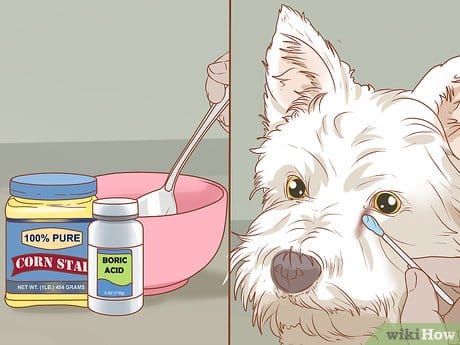
In addition to daily wipes, some pet owners opt for a more thorough cleaning using a tear stain remover solution. These products often contain natural ingredients like hydrogen peroxide, salicylic acid, or gentle enzymes that help break down the stains. When using such solutions, apply a small amount with a cotton swab or soft cloth, and avoid direct contact with the eyes to prevent irritation. Consistency is key—regular cleaning helps prevent the buildup of dirt and bacteria that cause staining and odors.
For breeds with long or curly hair, trimming the fur around the eyes can reduce the accumulation of tears, debris, and bacteria. Regular grooming prevents the fur from trapping moisture and facilitates better cleaning. If your dog’s tear stains are severe or persistent, consult your veterinarian or a professional groomer. They may recommend additional treatments, such as medicated wipes or even a gentle eye rinse, to ensure comprehensive cleaning. Remember, patience and consistency are your best tools for effectively managing tear stains over time.
Choosing Safe and Suitable Tear Stain Removal Products
When selecting products to tackle tear stains, safety and suitability should be your top priorities. Many commercial tear stain removers contain ingredients like hydrogen peroxide or harsh chemicals that can irritate your pet’s skin or eyes if not used properly. Always opt for products labeled specifically for tear stain removal and that are vet-approved or recommended by reputable pet care sources. Natural or organic formulations may offer a gentler alternative, especially for sensitive skin.
Read product labels carefully to ensure they do not contain alcohol, artificial fragrances, or parabens, which can cause irritation or allergic reactions. Ingredients such as aloe vera, vitamin E, or gentle enzymes can soothe the skin while helping to break down stains. Some pet owners also turn to homemade remedies, like diluted apple cider vinegar or chamomile tea, but these should be used with caution and only after consulting a veterinarian to avoid potential adverse reactions.
In addition to topical solutions, consider using specially designed tear stain brushes or grooming tools that help keep the fur around the eyes clean and free of debris. When choosing products, always follow the manufacturer’s instructions and perform a patch test if you’re trying a new solution. Remember, no product can replace regular grooming and cleaning routines, but the right products can make the process safer and more effective. Prioritizing gentle, safe options will help maintain your pet’s comfort and health while addressing tear stains.
Preventative Care and Maintenance to Minimize Tear Stains
Prevention is always better than cure, especially when it comes to tear stains. Establishing a regular grooming routine that includes daily cleaning around the eyes can significantly reduce stain buildup and bacterial growth. Trimming the hair around your dog’s eyes prevents fur from trapping tears, dirt, and debris, which can exacerbate staining and irritation. Using gentle, pet-safe wipes or solutions regularly can keep the area clean and dry, reducing the chance of bacterial colonization.
Diet plays a subtle yet important role in tear stain management. Feeding your dog a high-quality, balanced diet that minimizes food allergies or sensitivities can reduce tear production caused by irritation. Some pet owners find that switching to hypoallergenic or grain-free diets decreases tear staining. Additionally, ensuring your pet stays well-hydrated helps maintain healthy tear production and drainage. Supplements such as probiotics or omega fatty acids may also support overall skin and coat health, reducing the likelihood of inflammation and excess tears.
Finally, routine veterinary check-ups are essential in preventing and managing tear stains. Regular eye examinations can detect early signs of infections, allergies, or blocked tear ducts, allowing for prompt treatment. If your pet’s tear staining persists despite good grooming and care, consult your veterinarian to rule out underlying health issues. Implementing preventative measures, combined with proper grooming and safe product use, can go a long way in keeping your dog’s eyes clear, their coat clean, and their overall health in check.
In Conclusion
Tear stains are a common concern for many dog owners, but with proper understanding and routine care, they can be managed effectively. Recognizing the causes of tear staining—whether anatomical, health-related, or environmental—is the first step toward personalized treatment. Consistent and gentle cleaning techniques, combined with choosing safe and suitable products, help keep the stained fur clean and reduce bacterial growth. Preventative practices, including regular grooming, dietary adjustments, and veterinary check-ups, play a vital role in minimizing future stains.
Remember, patience and persistence are key. Each dog is unique, and what works for one may not work for another. By implementing these strategies and consulting with your veterinarian when necessary, you can ensure your furry friend remains comfortable, healthy, and looking their adorable best. Tear stains may be a common issue, but with attentive care, they can become a manageable part of your pet’s grooming routine—not a permanent problem.