


How to Properly Control Your Smelly Dog and Keep Them Fresh
Many dog owners cherish their furry companions, but nobody loves an unpleasant odor. A smelly dog can be a source of embarrassment and discomfort, affecting both your dog’s wellbeing and your household environment. Fortunately, with proper understanding and consistent care, you can control and even eliminate bad odors, keeping your dog fresh, happy, and healthy. In this comprehensive guide, we’ll explore how to properly control your smelly dog and keep them smelling great—covering everything from understanding causes, grooming practices, product choices, diet, to long-term maintenance.
Understanding the Causes of Dog Odor and When to Seek Veterinary Advice
Before jumping into solutions, it’s crucial to understand why your dog might develop a foul smell. Dog odor isn’t always superficial; it can be a sign of underlying health issues. Common causes include poor grooming, skin infections, allergies, dental problems, or even medical conditions like ear infections or gland issues. Recognizing the root cause helps you target your approach effectively.
Skin and Coat Issues: Dogs with greasy, flaky, or irritated skin often emit a strong odor. This can be caused by allergies, parasites like fleas or mites, or bacterial and yeast infections. If your dog’s skin appears inflamed or if there’s excessive scratching, a vet visit is advisable. These conditions require specific treatments and proper diagnosis to resolve the odor at its source.
Dental and Mouth Problems: Bad breath is a common contributor to overall bad smell in dogs. Plaque buildup, periodontal disease, or infections can produce a foul odor that permeates your dog’s whole body. Regular dental checkups and professional cleanings are essential. If your dog’s mouth appears swollen, bleeding, or if there’s persistent bad breath despite home care, consult your veterinarian for an accurate diagnosis and treatment plan.
Ear and Anal Gland Issues: Smell can also originate from neglected ears or anal glands. Ear infections produce a distinctive, often foul odor, especially if accompanied by scratching or head shaking. Similarly, impacted or infected anal glands can leak a strong, unpleasant smell. If you notice your dog scooting or licking their rear excessively, it’s time to get these glands examined and expressed professionally. Ignoring these signs can lead to discomfort and worsening odors.
When to Seek Veterinary Advice: If your efforts to improve your dog’s odor aren’t working, or if the smell is accompanied by other symptoms such as hair loss, redness, swelling, or behavioral changes, it’s essential to consult a veterinarian. Persistent odors might signal infections, hormonal imbalances, or other health issues requiring medical intervention. Early diagnosis and treatment help maintain your dog’s health and prevent more serious complications.
Effective Bathing and Grooming Practices for a Fresh-Smelling Dog
Regular grooming is the cornerstone of controlling dog odor. Proper bathing, brushing, and ear cleaning not only keep your dog’s coat clean but also prevent the buildup of dirt, oils, and bacteria that cause unpleasant smells. Establishing a consistent grooming routine tailored to your dog’s breed, age, and activity level is vital for long-lasting freshness.
Bathing Tips: Use a dog-specific shampoo suited to your dog’s skin type—whether sensitive, oily, or dry. Over-bathing can strip natural oils and cause dryness, so generally, a bath once every 4-8 weeks suffices for most dogs. When bathing, make sure to thoroughly rinse out all shampoo to prevent residue that can cause irritation or odor. Focus on problem areas such as paws, underarms, and groin, where sweat and dirt tend to accumulate. After the bath, dry your dog thoroughly, especially in folds or hairless areas, to prevent moisture-related odors.
Brushing and Coat Maintenance: Regular brushing removes loose hair, dirt, and dead skin cells, reducing odor-causing bacteria. Short-haired breeds may need weekly brushing, while long-haired breeds benefit from daily grooming. Use appropriate brushes and combs for your dog’s coat type. Regularly inspect and clean their ears, trim nails, and check for skin abnormalities. For dogs prone to skin issues, medicated or conditioning brushes can help maintain a healthy, fresh-smelling coat.
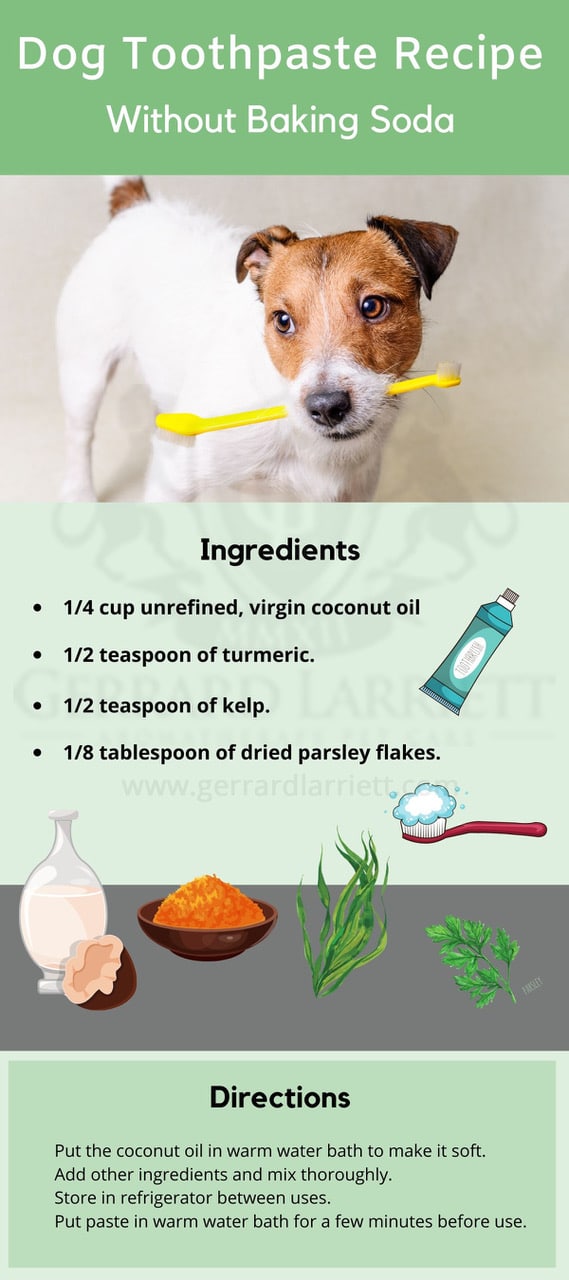
Ear and Dental Cleaning: Clean your dog’s ears weekly with vet-approved ear cleaners to prevent infections that cause odor. Be gentle to avoid injury. Dental hygiene is equally important—brush your dog’s teeth at least 2-3 times a week with a dog-friendly toothpaste, and provide dental chews or toys that promote oral health. Regular veterinary dental checkups can prevent plaque buildup and associated foul smells from becoming chronic problems.
Choosing the Right Products and Home Remedies for Dog Odor Control
Choosing effective grooming products is key to maintaining your dog’s freshness. With a variety of shampoos, sprays, and home remedies available, selecting the right tools can make all the difference. Look for products formulated for dogs, free from harsh chemicals, and suited to your pet’s specific needs.
Dog-Safe Shampoos and Conditioners: Prioritize shampoos with natural ingredients like oatmeal, aloe vera, and coconut oil, which soothe the skin and combat odor-causing bacteria. Medicated shampoos containing chlorhexidine or ketoconazole are useful for treating skin infections but should be used under veterinary guidance. Conditioners can add moisture, especially for dogs with dry or sensitive skin, helping to prevent odor-related issues caused by skin flakiness.
Odor Neutralizers and Sprays: After bathing, you might consider odor-neutralizing sprays designed for dogs. These products mask or neutralize smells without overwhelming your pet’s senses. Natural options such as diluted apple cider vinegar sprays can help reduce bacteria and yeast on the skin—just be cautious and avoid sensitive areas like eyes and genitals. Additionally, pet-safe wipes can be used to freshen up your dog between baths.
Home Remedies and Natural Solutions: Some owners explore home remedies like baking soda or coconut oil to combat odors. Baking soda sprinkled lightly on the coat, left for a few minutes, and then brushed out, can absorb odors and oils. Coconut oil, applied in small amounts, has antimicrobial properties and moisturizes the skin, reducing odor from dry patches. Always test any home remedy on a small skin area first to check for allergies or irritation. Remember, natural doesn’t always mean safe—consult your vet if your dog has sensitive skin or other health concerns.
Maintaining a Healthy Diet and Oral Hygiene to Reduce Unpleasant Smells
A well-balanced, nutritious diet is fundamental in controlling your dog’s natural scent. Poor diet can lead to skin problems, excessive oil production, or digestive issues, all of which contribute to bad odors. Ensuring your dog gets high-quality food tailored to their age, breed, and health needs supports their overall condition and reduces foul smells.
Balanced Nutrition for Freshness: Opt for premium commercial dog foods with high-quality proteins, wholesome grains, and limited fillers. Incorporate omega-3 fatty acids, which promote healthy skin and coat, reducing greasy smells. Avoid foods with artificial preservatives, colors, or low-quality ingredients that can cause digestive disturbances or skin sensitivities. Consult your vet for personalized dietary recommendations, especially if your dog has allergies or sensitivities that might contribute to odor issues.
Hydration and Digestive Health: Adequate water intake supports healthy digestion and skin hydration, both essential for controlling body odor. Encourage your dog to drink plenty of fresh water daily, especially after meals and during warmer months. Digestive health can be improved with probiotics or fiber supplements under veterinary guidance, helping to reduce flatulence, bad breath, and other odor sources originating from the gastrointestinal tract.
Oral Hygiene and Breath Freshening: Dental hygiene plays a pivotal role in overall dog smell. Regular brushing, dental chews, and professional cleanings help prevent plaque buildup and periodontal disease, primary sources of bad breath. Incorporate natural breath fresheners like parsley or specialized dental diets that promote oral health. Consistent oral care not only improves your dog’s smell but also contributes to their overall health and happiness.
Preventative Measures and Regular Maintenance for Long-Term Odor Management
The key to keeping your dog smelling fresh in the long run is a proactive and consistent maintenance routine. Prevention is always easier and more effective than fighting persistent odors after they have become overwhelming. Establishing daily habits, routine veterinary visits, and attentive care ensures your dog stays clean, healthy, and odor-free over time.
Routine Grooming and Cleaning Schedule: Stick to a regular schedule of baths, brushing, ear cleaning, and dental care. Consistency prevents the buildup of dirt, oils, and bacteria that cause odors. Keep your dog’s bedding, toys, and living areas clean and wash them regularly to reduce odor sources in your home environment. Using odor-absorbing mats or air purifiers can also help maintain a fresh atmosphere.
Monitoring and Addressing Health Changes: Regular veterinary checkups are essential for early detection of health issues that could lead to bad smells. Keep an eye on your dog’s coat, skin, ears, and teeth. Address any odors promptly to prevent them from becoming chronic problems. Vaccinations, parasite prevention, and timely treatment of infections form the foundation of a healthy, fresh-smelling dog.
Environmental and Lifestyle Adjustments: Adjust your dog’s activity levels according to their breed and health status. Regular walks, playtime, and exercise keep your dog physically healthy and help reduce excess oils and sweat that contribute to odor. Maintaining a clean living environment, with proper ventilation and regular cleaning, creates a fresh space for both you and your dog.
Conclusion
Controlling your smelly dog and keeping them fresh involves a combination of understanding underlying causes, diligent grooming, choosing the right products, maintaining a healthy diet, and practicing consistent preventative care. Recognizing when odors may signal health issues and seeking professional advice is essential for your dog’s well-being. Regular grooming routines, balanced nutrition, and home remedies tailored to your pet’s needs can dramatically improve their scent and overall health.
By investing time in proper maintenance, you’ll enjoy a happier, healthier, and more pleasant companionship with your furry friend. Remember, a fresh-smelling dog isn’t just about aesthetics—it’s a sign of their good health and happiness. So, start implementing these tips today and enjoy the confidence that comes with a clean, fresh-smelling pup!