


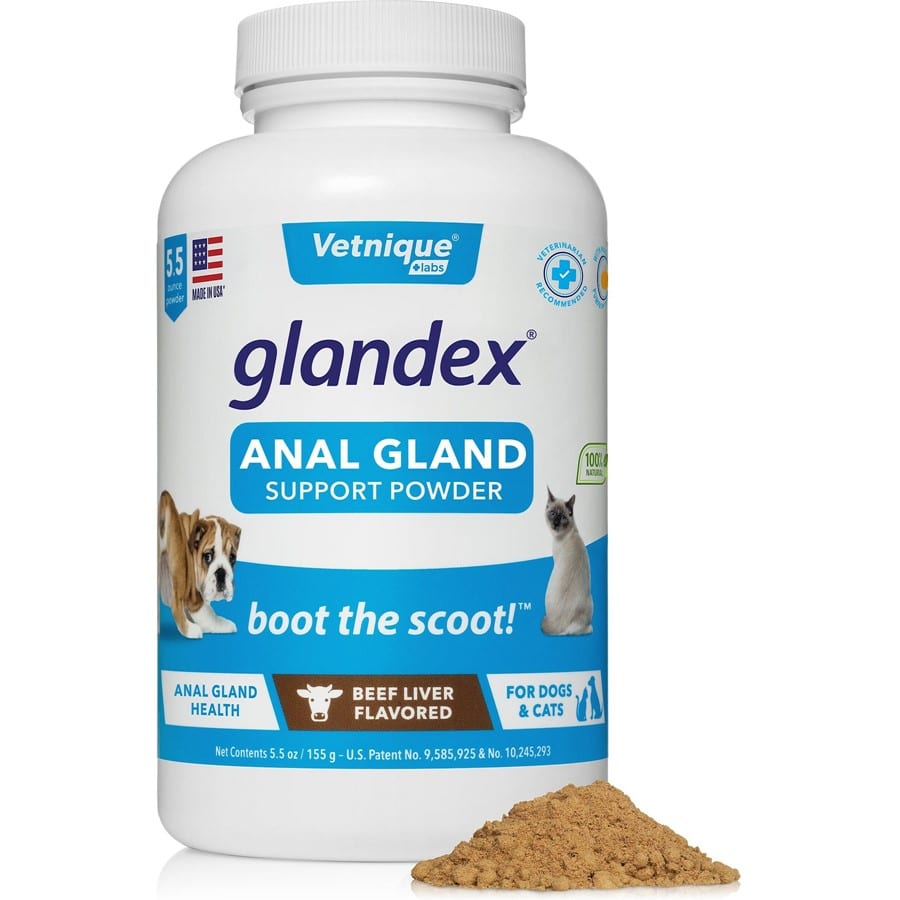
Best Home Products for Trimming Anal Glands Safely and Effectively
Many pet owners find themselves in a situation where managing their dog’s anal glands at home becomes necessary—whether due to frequent gland issues, convenience, or a desire to keep their furry friend comfortable. While some pets may only require occasional gland expression, others might benefit from regular maintenance, including trimming if needed. However, safely and effectively handling anal gland care at home requires the right knowledge, tools, and techniques to prevent discomfort or injury. This article aims to guide pet owners through understanding anal gland issues, choosing the best home products, and employing safe practices to keep their pets happy and healthy.
Understanding Anal Gland Issues and Signs for Home Care
Anal gland problems are common in dogs and can cause significant discomfort if not addressed promptly. The anal glands, located on either side of your dog’s rectum, produce a foul-smelling fluid that helps with marking territory and lubrication during defecation. Normally, these glands empty naturally when a dog defecates, but sometimes they become impacted, infected, or inflamed, leading to discomfort or more serious conditions like abscesses.
Signs that your dog may be experiencing anal gland issues include scooting on the floor, excessive licking or biting around the anus, a foul odor, or visible swelling near the anus. In some cases, you might notice blood or pus, which indicates infection or abscess formation. Recognizing these signs early is key to preventing more painful complications and deciding whether home care is appropriate or if veterinary intervention is needed.
For pet owners considering home management, it’s crucial to understand that not all anal gland problems require professional treatment. Mild impactions or occasional discomfort can often be managed with gentle expression or trimming, provided you are equipped with the right tools and have proper knowledge. However, persistent issues, signs of infection, or severe swelling should always warrant a visit to the veterinarian to avoid worsening the condition or causing injury.
Essential Tools and Supplies for Safe Anal Gland Expression at Home
Choosing the right tools is fundamental for safely and effectively trimming and expressing your dog’s anal glands. The market offers a variety of products designed specifically for home use, but not all are equally safe or effective if used incorrectly. The key is to opt for pet-specific, high-quality supplies that minimize discomfort and reduce the risk of injury.
First and foremost, a good pair of latex or nitrile gloves is a must. They protect both you and your pet from bacteria and reduce the transfer of germs. Secondly, a dedicated anal gland syringe or bulb syringe helps in gentle expression; these are designed to allow controlled pressure without causing pain. Third, a pair of blunt-tipped grooming scissors or trimming scissors can be useful for trimming excess hair around the anal area, aiding in better access and cleanliness.
In addition to these, having clean, soft cloths or disposable wipes helps to keep the area hygienic, especially if the gland discharge is present. Pet-safe lubricants — such as water-based, pet-specific gels — make the process more comfortable. Lastly, investing in a flashlight or good lighting allows you to see the area clearly, reducing the risk of accidental injury. Remember, always select products that are specifically designed for pet use to ensure safety and effectiveness.
Step-by-Step Guide to Trimming and Expressing Anal Glands Safely
Performing anal gland expression at home can be straightforward if done gently and carefully. The first step is to create a calm environment—ensure your pet is relaxed and comfortable, perhaps after a walk or play session. Familiarize yourself with your dog’s anatomy: the anal glands are located at roughly 4 and 8 o’clock positions around the anus, just under the skin.
Start by wearing gloves and gently lifting your dog’s tail to expose the anal area. Use your fingers to gently feel for swelling or firmness—this indicates the glands may be full. If you’re comfortable, apply a small amount of pet-safe lubricant around the opening to ease the process. Then, using the bulb syringe or a similar tool, gently place the tip at the anal opening and slowly apply pressure to express the glands, watching for fluid or secretion. Be very gentle—never force or squeeze too hard, as this can cause pain or injury.
If you notice that the glands are impacted or difficult to express, or if your dog shows signs of pain, stop immediately. In some cases, trimming excess hair around the anus can improve access and cleanliness—use the grooming scissors carefully, avoiding the skin and mucous membranes. After the process, clean the area thoroughly with wipes or a damp cloth, and reward your dog for their patience. Remember, patience and gentle handling are key, and never hesitate to seek professional help if you’re unsure or uncomfortable performing these steps.
Tips for Preventing Anal Gland Problems and Maintaining Pet Comfort
Prevention is always better than cure when it comes to anal gland issues. Regular grooming, including trimming hair around the anus, can reduce the risk of impaction and infection by keeping the area clean and dry. Maintaining a high-fiber diet helps produce firmer stools, which naturally facilitate gland emptying during defecation, thus decreasing the likelihood of impaction. Consult your veterinarian to determine the optimal diet or consider adding fiber supplements if your dog tends to have soft stools or frequent gland issues.
Another effective preventative measure is regular exercise, which promotes healthy bowel movements and overall health. Consistent routine walks help stimulate the anal glands to express naturally, reducing the need for manual intervention. Additionally, keeping your pet at a healthy weight minimizes pressure on the anal area and reduces the risk of complications. Monitoring your dog’s behavior for early signs of discomfort can also allow for prompt action, whether at home or with veterinary help.
Finally, routine check-ups with your veterinarian can catch potential problems before they escalate. Some dogs are more prone to anal gland issues due to breed, diet, or health history. For these pets, regular gland expression by a professional or at-home maintenance, combined with proper grooming and diet, can significantly improve their comfort and prevent recurring issues. Creating a proactive approach to anal gland health ensures your furry friend stays comfortable, happy, and free from unnecessary discomfort.
When to Consult a Veterinarian and Recognize Warning Signs
While home management of anal glands can be effective for mild issues, it’s essential to recognize when professional veterinary care is needed. Persistent or severe swelling, redness, pus, or bleeding are clear indicators that your pet needs to see a vet. If your dog continues to scoot, lick excessively, or shows signs of pain despite home care efforts, these are signs that the problem may be more serious or infected. A veterinarian can perform a thorough examination, properly express the glands, and prescribe medication if necessary.
Some warning signs also include foul odor that does not improve with routine cleaning, or if your dog develops fever, lethargy, or loss of appetite. These symptoms may point toward infection or abscess formation, which require prompt veterinary treatment. Additionally, if your dog is older, has underlying health conditions, or has a history of recurrent gland issues, seeking professional advice sooner rather than later can prevent complications and ensure proper management.
Remember, attempting to manage severe or recurrent problems at home without proper knowledge can sometimes do more harm than good. If you are unsure about how to proceed, or if your pet’s condition worsens, consult your veterinarian promptly. They can provide tailored advice, perform necessary procedures, and recommend preventive strategies to keep your pet comfortable and healthy in the long term.
Conclusion
Managing your dog’s anal glands at home can be safe and effective when approached with care, proper tools, and knowledge. Understanding the signs of anal gland issues and employing gentle, step-by-step techniques for trimming and expression can greatly reduce discomfort for your pet while avoiding unnecessary vet visits for minor concerns. Prevention through good grooming, diet, exercise, and routine health checks remains the best strategy to keep these problems at bay.
However, always recognize your limits and know when professional veterinary intervention is necessary. Persistent symptoms, signs of infection, or severe swelling should never be ignored. By combining informed home care with regular veterinary guidance, you can ensure your pet remains comfortable, healthy, and happy. Remember, patience and gentle handling go a long way—your attentive care can make a significant difference in your furry friend’s quality of life.