


How to Handle Your Seasonal Shedding Like a Pro: Tips for a Healthy Coat
As the seasons change, many pet owners notice an uptick in shedding—sometimes a lot more than usual. While shedding is a natural part of a pet’s life cycle, it can sometimes feel overwhelming, especially if you’re unsure how to manage it effectively. Whether you’re a new pet parent or a seasoned one, understanding the nuances of seasonal shedding and how to care for your pet’s coat can make a significant difference in keeping their fur healthy, shiny, and manageable. In this article, we’ll explore how to handle seasonal shedding like a pro, covering everything from causes and grooming tips to nutrition and when to seek professional advice.
Understanding Seasonal Shedding and Its Causes
Seasonal shedding is a natural physiological process where pets shed their old or damaged hair to make way for new growth, often triggered by changes in daylight hours and temperature. Typically, dogs and cats shed more during spring and fall—spring to shed the winter coat and prepare for warmer weather, and fall to grow a thicker coat for cold months. This cycle is regulated by the pet’s internal clock, known as the circadian rhythm, which responds to environmental cues such as sunlight and temperature.
However, shedding isn’t always predictable or uniform. Factors like breed, age, health, and even stress levels can influence the amount of hair your pet loses. For example, double-coated breeds like Huskies and Golden Retrievers tend to shed heavily twice a year, while dogs with single coats may shed less but more consistently. Health issues such as allergies, hormonal imbalances, or skin infections can also cause abnormal or excessive shedding. Recognizing the difference between normal seasonal shedding and signs of underlying health problems is crucial for proper care.
Understanding the causes of shedding helps in tailoring your grooming and care routine. Besides natural cycles, environmental factors like dry indoor air, poor nutrition, or stress can exacerbate hair loss. During shedding seasons, pets often benefit from increased grooming to remove loose fur and prevent matting, which can trap dirt and moisture, leading to skin issues. Being aware of the triggers and patterns of shedding allows you to adopt proactive measures, ensuring your pet’s coat stays healthy and manageable through seasonal transitions.
Effective Grooming Techniques to Manage Hair Loss During Shedding Seasons
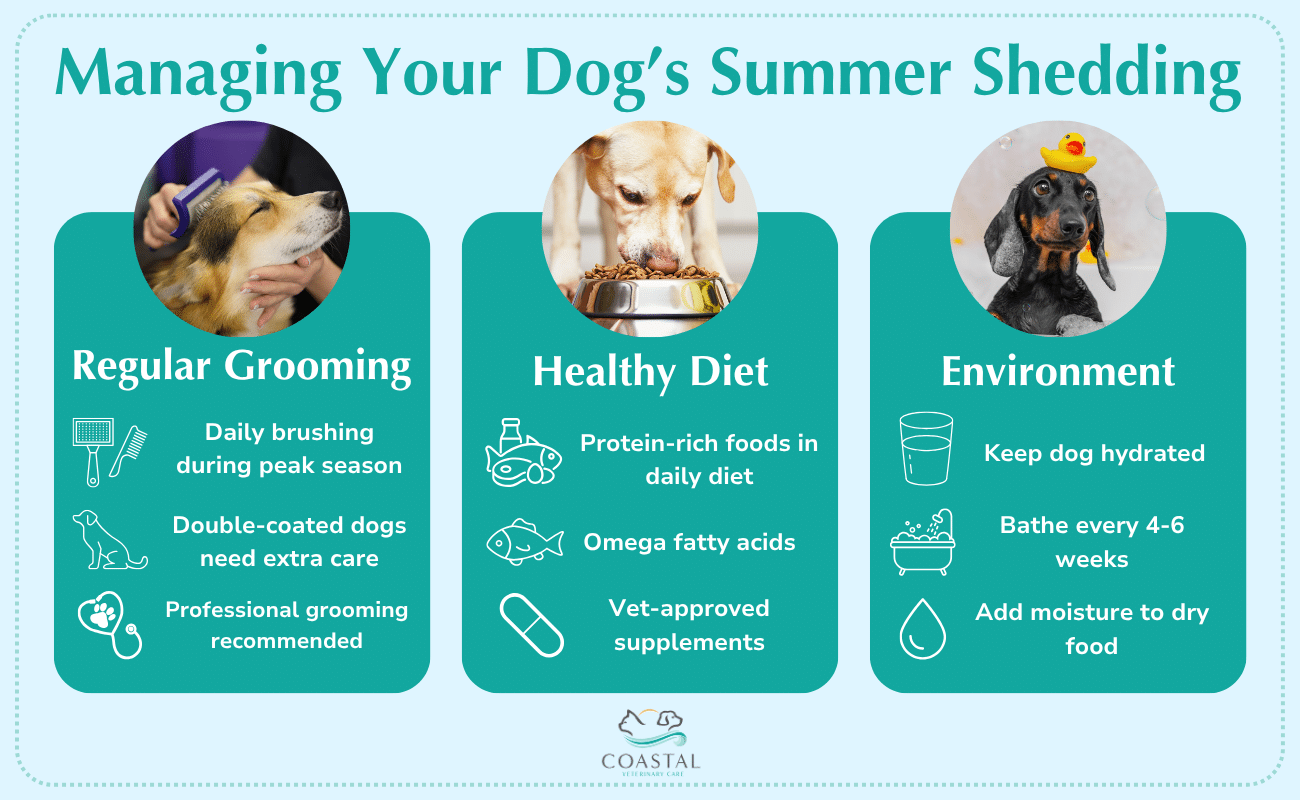
Regular grooming is your best weapon against overwhelming shedding. Brushing your pet’s coat daily or every other day helps remove loose hairs before they tumble around your home or clog your vacuum. Different breeds require different tools—slicker brushes work well for dense coats, while grooming gloves are great for short-haired pets. For long-haired breeds, detangling and trimming can help reduce mat formation and facilitate shedding. Incorporating grooming into your routine not only keeps shedding under control but also stimulates healthy blood flow to the skin.
In addition to brushing, bathing can significantly impact shedding management. Using a gentle, moisturizing shampoo designed for your pet’s coat type can help loosen and remove dead hair. Opt for baths during peak shedding seasons to facilitate faster hair removal and soothe irritated skin. Be cautious not to over-bathe, as excessive washing can strip natural oils and cause dryness, which might increase shedding or lead to skin problems. Follow up with a conditioner or coat moisturizer to keep the skin hydrated and the fur shiny.
Other grooming tips include trimming and deshedding treatments. Regularly trimming long hair prevents mats that trap loose fur and dirt. Specialized deshedding tools, like the undercoat rake or deshedding brushes, are designed to target the undercoat and reduce shedding effectively. Some pet owners also choose professional grooming sessions during heavy shedding periods to ensure thorough coat maintenance. Remember, gentle handling during grooming fosters trust and makes the process more enjoyable for your pet, encouraging consistent care.
Nutrition and Supplements to Support Healthy Hair Growth
A balanced diet is fundamental for a healthy coat and optimal shedding management. High-quality pet food rich in essential fatty acids, particularly omega-3 and omega-6, plays a vital role in maintaining skin health and reducing excessive shedding. These nutrients help strengthen hair follicles, improve coat texture, and decrease dryness or itchiness that can lead to increased hair loss. When choosing pet food, look for products that list real meat, fish oil, or plant-based oils as primary ingredients, and avoid fillers and artificial additives.
Supplements can further enhance coat health, especially during seasonal transitions. Fish oil supplements, such as cod liver oil or omega-3 capsules, are popular choices for boosting skin and coat quality. Biotin, a B-vitamin, is also known to promote hair strength and shine. Additionally, probiotics may support overall gut health, which is closely linked to skin condition and hair growth. Before introducing supplements, consult your veterinarian to determine appropriate dosages and formulations tailored to your pet’s specific needs.
Monitoring your pet’s overall health and hydration is equally important. Adequate water intake helps maintain skin elasticity and prevents dryness, which can worsen shedding. Avoid feeding human foods that may cause allergic reactions or skin irritation. Regular veterinary check-ups can identify nutritional deficiencies or health issues that could be contributing to excessive shedding or poor coat condition. Remember, a well-nourished pet is better equipped to shed normally and grow a healthy, vibrant coat.
Tips for Maintaining a Hair-Care Routine That Minimizes Damage
Establishing a consistent hair-care routine helps prevent damage and minimizes shedding-related messes. Consistency means scheduling regular grooming, bathing, and coat inspections, which collectively maintain skin health and reduce loose fur. Use pet-specific grooming products that are gentle yet effective, avoiding harsh shampoos or conditioners with artificial fragrances or chemicals that can irritate sensitive skin.
Protect your pet’s coat from environmental damage by controlling exposure to harsh elements. For outdoor activities, use protective gear like doggy coats or scarves, especially for breeds with thin coats or short fur. After outdoor adventures, always check and brush out dirt, debris, and loose hair. Additionally, avoid excessive heat styling tools or rough handling that can cause hair breakage and damage the coat’s integrity.
Proper grooming tools and techniques are essential to prevent damage during shedding seasons. Use the right brushes and combs suited for your pet’s coat type, and be gentle to avoid pulling or breaking hair. Regularly cleaning grooming tools prevents bacterial buildup, which could lead to skin infections. Incorporate skin massages to improve circulation and distribute natural oils, promoting a healthier, shinier coat. Keeping a gentle, patient approach turns grooming into a bonding experience and encourages your pet to enjoy the process.
When to Seek Professional Help for Excessive or Unusual Hair Loss
While shedding is mostly normal, excessive or abnormal hair loss warrants veterinary attention. Signs such as bald patches, inflamed skin, scaly spots, or hair loss accompanied by itching, redness, or foul odor can indicate underlying health issues. Conditions like allergies, hormonal imbalances, parasites (fleas or mites), or infections may be responsible for atypical shedding. Early diagnosis and treatment are crucial to prevent further skin damage and ensure your pet’s comfort.
Consult your veterinarian if you notice signs of distress or sudden changes in shedding patterns. A comprehensive exam, skin scrapings, blood tests, or allergy testing may be necessary to pinpoint the cause. In some cases, managing the root problem involves medication, specialized shampoos, or dietary adjustments. Do not attempt to treat skin or hair issues with human products or over-the-counter remedies without professional guidance, as incorrect treatment can worsen the condition.
Regular veterinary check-ups and open communication about your pet’s coat health are vital for long-term wellbeing. Your vet can recommend tailored grooming strategies, nutritional plans, or medications that support healthy hair growth. Remember, sometimes excessive shedding is a symptom of a deeper health concern, and catching these early can save your pet unnecessary discomfort and help restore their coat to its best condition.
In Conclusion
Managing seasonal shedding effectively requires a combination of understanding your pet’s natural cycle, adopting proper grooming techniques, supporting their nutrition, and recognizing when professional help is needed. Staying proactive with regular brushing, bathing, and coat maintenance prevents fur from becoming unmanageable and keeps your pet comfortable. Prioritizing high-quality nutrition and appropriate supplements will foster a healthy, shiny coat that withstands seasonal changes. And most importantly, being attentive to abnormal hair loss signs ensures that underlying health issues are addressed promptly. With these tips, you can handle your pet’s shedding like a pro, ensuring they stay happy, healthy, and looking their best through every season.