


How to Trim Dog Fur Without Clippers: Easy Tips for a Clean Look
Keeping your dog looking neat and well-groomed doesn’t always mean heading to the groomer or investing in expensive clippers. Sometimes, a simple trim with scissors or blades can do the trick—especially if your pup has a short or manageable coat. Whether you’re aiming for a quick tidy-up, managing a specific area, or just want to learn a new grooming skill, trimming dog fur without clippers is entirely doable with the right approach. This guide will walk you through understanding when and why to trim without clippers, the essential tools you’ll need, step-by-step trimming techniques, tips for a safe and comfortable experience, and solutions for common challenges. By the end, you’ll feel confident giving your furry friend a professional-looking, clean cut at home.
Understanding When and Why to Trim Your Dog’s Fur Without Clippers
Knowing when and why to trim your dog’s fur manually is key to maintaining their health and appearance. Dogs with longer, thicker coats may need regular trims to prevent matting, reduce shedding, or keep cool during warmer months. Conversely, some breeds benefit from trimming to maintain a specific look or to address skin irritations caused by tangled fur or dirt buildup. Recognizing these signs can help you decide whether a manual trim is appropriate and when professional grooming might be better.
Many dog owners opt for trimming without clippers when their pets have short, manageable coats or if they simply want to do a quick touch-up. Clipping machines can sometimes be intimidating, noisy, or cause discomfort, especially for shy or anxious dogs. In these cases, scissors or blades can offer more control and—if used gently—less stress for your dog. Additionally, trimming manually is cost-effective and gives you more precise control over specific areas like the face, paws, or tail. It’s an excellent skill to develop for ongoing maintenance and for dogs that don’t require heavy grooming.
Another important consideration is timing. Regular trimming can improve your dog’s comfort, especially during hot weather, and can help identify skin issues early. However, over-trimming or trimming too aggressively can cause skin irritation or accidental cuts. It’s important to evaluate your dog’s breed, coat type, and grooming needs, and consult your veterinarian if you’re unsure. Remember, the goal is to keep your pup comfortable and looking neat without creating unnecessary stress or harm.
Essential Tools and Materials for Manual Dog Fur Grooming
Before starting your trimming session, gather all the necessary tools—being well-prepared makes the process smoother and safer. The primary tools you’ll need include sharp scissors, ideally with rounded tips for safety, and small grooming blades if needed for specific trims. Look for scissors designed specifically for pet grooming, as they are usually more durable and offer better control than kitchen or craft scissors. You may also want thinning shears to blend different coat lengths seamlessly.
In addition to scissors and blades, having a slicker brush or comb helps detangle fur and prepare the coat for trimming. A pair of high-quality, sharp grooming scissors will ensure cleaner cuts and reduce the risk of pulling or hurting your dog. For safety, keep a styptic powder or styptic pencil nearby in case of minor cuts. Also, consider using pet-safe grooming wipes or conditioning sprays to keep your dog comfortable and calm during trimming.
Creating a comfortable grooming environment is equally important—use a non-slip mat to prevent slipping and a calm, quiet space to reduce your dog’s anxiety. Keep treats on hand to reward good behavior, and wear comfortable clothing to stay steady during the process. Having all your tools within reach before starting will help you work efficiently and reduce stress for both you and your pet.
Step-by-Step Techniques for Safely Trimming Dog Fur with Scissors and Blades
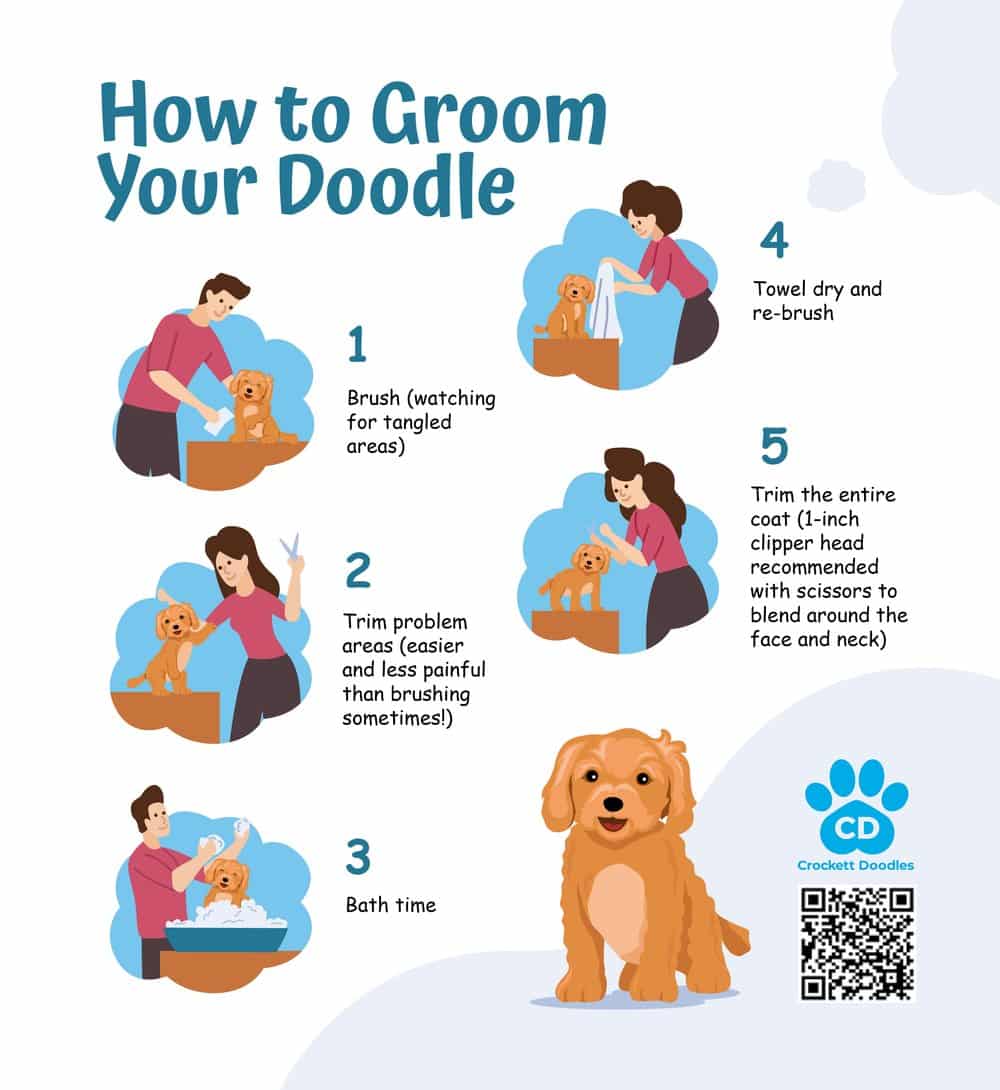
Once you’ve gathered your tools and prepared a calm environment, it’s time to start trimming. Begin by gently brushing your dog’s fur to remove any tangles or mats—this makes trimming easier and safer. Let your dog get comfortable with the sensation of the tools, offering treats and praise along the way. When trimming, always work in small sections, focusing on one area at a time to maintain control and ensure an even cut.
Use small, controlled snips rather than long, sweeping motions. Hold the fur between your fingers to keep it taut, which helps prevent accidental cuts. For more sensitive areas like the face, around the eyes, or the ears, use smaller scissors with rounded tips for added safety. When trimming around the paws, carefully cut excess fur between the toes, but avoid trimming too close to the skin to prevent irritation. For body areas, work slowly, checking your progress frequently to maintain a natural, even look.
Blades can be used for trimming larger areas or creating specific styles, but they require more skill and caution. Remember to keep blades sharp and use gentle, steady strokes. Always cut away from your dog’s skin to avoid cuts or nicks, and stop immediately if your dog shows signs of discomfort. Regularly check your scissors and blades for cleanliness and sharpness—they make the process safer and more effective.
Tips for Maintaining Your Dog’s Comfort and Safety During Fur Trimming
Your dog’s comfort and safety should be the top priority during any grooming session. To minimize stress, keep sessions short, especially if your dog is nervous or new to trimming. Use a calm, soothing voice and offer plenty of praise and treats throughout the process. Take breaks if your pet becomes restless, and never force a cut if your dog is resisting or uncomfortable. Creating a positive grooming experience encourages cooperation and makes future trims easier.
Ensure your tools are always sharp and clean to prevent pulling hair or causing injuries. Dull scissors can snag or tug fur, leading to discomfort or skin irritation. Be gentle and slow—rushing can cause mistakes or accidental cuts. If your dog has sensitive skin or a history of skin issues, consult your veterinarian about suitable grooming routines and products to avoid irritation. Always inspect the skin after trimming for cuts, redness, or signs of irritation, and treat any minor injuries promptly.
Finally, be mindful of your dog’s body language. Watch for signs of anxiety or pain, such as whimpering, trying to escape, or trembling. If your dog shows these signs, pause and offer comfort, or end the session if needed. Using treats, toys, or a favorite blanket can help make the trimming process more positive and less stressful for your furry friend.
Troubleshooting Common Challenges and Ensuring a Professional-Looking Finish
Trimming dog fur without clippers can come with challenges—like uneven cuts, difficulty reaching certain areas, or dog movement. If your cut looks uneven, don’t worry; you can fix it by trimming the longer areas carefully or blending the edges with thinning shears. Patience is key, and taking your time will help you achieve a more natural, professional look. For stubborn or tangled fur, gently detangle before trimming to prevent pulling or injury.
Handling difficult areas such as the face and paws requires extra care. Use small, precise scissors for these spots, and consider trimming in stages—start with larger areas, then focus on details. If your dog moves a lot, try to distract them with treats or a favorite toy, or perform grooming when they are relaxed or sleepy. For particularly tricky spots, seek assistance from another person to hold your dog steady or to help with access. Remember, safety always comes first—never force a trim if your dog becomes distressed.
To ensure a clean finish, regularly step back and assess your work. Use your fingers or a comb to check for uneven patches or stray hairs. If you’re unsure, it’s better to trim less and make incremental adjustments rather than overcutting. Practice makes perfect—over time, your skill with scissors and blades will improve, leading to neater, more professional results. For critical grooming, consider consulting a professional groomer for tips or even a demonstration, especially for specific styles or difficult breeds.
Conclusion
Trimming your dog’s fur without clippers is a practical skill that, with patience and the right tools, can keep your pet looking tidy and feeling comfortable. By understanding when and why to trim manually, gathering essential grooming tools, mastering step-by-step techniques, prioritizing your dog’s safety and comfort, and troubleshooting common issues, you can achieve a professional-looking finish right at home. Remember, the key is gentle handling, gradual progress, and positive reinforcement. As you gain confidence, you’ll enjoy a closer bond with your furry friend and the satisfaction of maintaining their grooming needs yourself. So, give it a try—your dog will thank you for the extra care!