


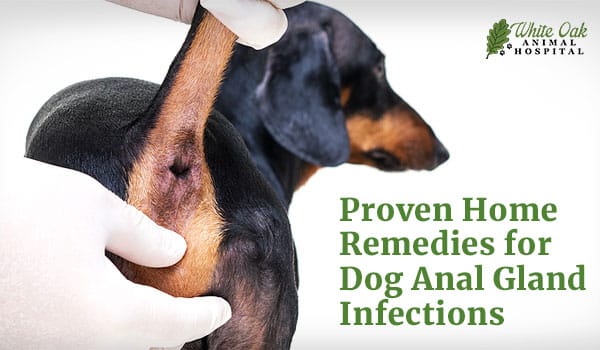
How to Naturally Manage and Support Healthy Anal Glands at Home
Maintaining your pet’s health is a top priority for every responsible owner, and one often overlooked aspect is the health of their anal glands. These small sacs play a vital role in your pet’s comfort, hygiene, and overall well-being. While issues with anal glands are common, many problems can be managed or even prevented through natural approaches, dietary strategies, and good habits. If you’re seeking ways to promote healthy anal gland function at home without relying solely on veterinary interventions, this guide will walk you through everything you need to know—from understanding how these glands work to tips for prevention and early detection.
Understanding Anal Gland Function and Common Issues
Anal glands, also called anal sacs, are small, paired sacs located on either side of your pet’s anus. They produce a foul-smelling substance used for marking territory and communication among dogs and other animals. Normally, these glands are emptied naturally when your pet defecates, as the pressure from stool helps express the contents. However, problems arise when these sacs become impacted, inflamed, or infected, leading to discomfort and health issues.
Common anal gland issues include impaction, infection, abscesses, and even ruptures. Impacted glands happen when the sacs don’t empty properly, causing swelling, discomfort, or a tendency to scoot or lick excessively. Infection can occur if bacteria enter the impacted glands, leading to soreness, pus, or foul odor. In severe cases, abscesses might develop, requiring veterinary intervention to drain and treat. Chronic issues can also lead to recurring problems, impacting your pet’s quality of life.
Understanding the signs of anal gland problems is crucial for early intervention. Symptoms include scooting on the floor, licking or biting near the anal area, a foul odor, swelling, or discomfort during defecation. Recognizing these signs early allows you to take appropriate measures—whether through natural care, lifestyle adjustments, or seeking veterinary help when necessary. Maintaining healthy anal glands is about more than just addressing problems; it’s about supporting their function naturally through diet, exercise, and good habits.
Natural Remedies and Dietary Strategies for Gland Health
A proactive approach to anal gland health begins with nutrition. Diet plays a critical role in ensuring your pet’s stools are firm enough to naturally express the glands during defecation. Incorporating high-quality fiber sources like pumpkin, sweet potatoes, or chia seeds can promote regular, healthy bowel movements. These fibers add bulk to the stool, encouraging proper gland emptying and preventing impaction.
In addition to fiber, omega-3 fatty acids found in fish oils can help reduce inflammation and support overall tissue health around the anal area. Natural anti-inflammatory herbs like turmeric can also be beneficial when given in small, safe doses for pets, but always consult your vet before introducing supplements. Regular hydration is equally important; ensuring your pet has access to fresh water aids digestion and prevents constipation, which is a common precursor to gland issues.
Some pet owners find that adding probiotics supports gut health, leading to more regular and well-formed stools. When considering natural remedies, it’s vital to focus on a balanced diet rich in wholesome, minimally processed ingredients. Avoid excessive treats or human foods that may disrupt your pet’s digestive balance. Remember, consistency in dietary strategies combined with monitoring your pet’s response can significantly improve anal gland health naturally.
Promoting Regular Gland Expression Through Exercise and Habits
Physical activity is a cornerstone of overall health, and it can also help promote the natural expression of anal glands. Regular movement stimulates bowel activity, reducing the likelihood of impaction and encouraging glands to empty during defecation. Daily walks or play sessions tailored to your pet’s energy level can make a tangible difference. For dogs, especially those prone to anal gland problems, a consistent routine can help maintain gland health naturally.
In addition to exercise, cultivating good bathroom habits is essential. Ensuring your pet has a consistent schedule for bathroom breaks reduces the chance of stool stagnation, which can cause impaction. For pets with a history of anal gland issues, elevating their hindquarters during defecation using a small step or platform can help facilitate easier gland emptying. Also, maintaining a healthy weight through exercise prevents obesity, which can put extra pressure on the anal region and complicate gland function.
Beyond physical activity, creating a calm environment and avoiding chronic stress can indirectly support anal gland health. Stress can affect bowel movements and immune response, making infections or impactions more likely. Incorporate routine grooming, positive reinforcement, and gentle handling to keep your pet relaxed and comfortable. These habits contribute to a holistic approach, promoting natural gland expression and overall well-being.
Recognizing Signs of Anal Gland Problems and When to Seek Veterinary Care
Awareness of the early signs of anal gland issues is crucial for timely intervention. Common symptoms include scooting across the floor, excessive licking or biting around the anal area, and a noticeable foul odor. You might also observe swelling or redness near the anus, or your pet may strain during defecation. Recognizing these warning signs allows you to address problems before they escalate into infections or abscesses requiring surgical intervention.
If your pet shows persistent discomfort, refuses to sit comfortably, or exhibits abnormal bowel movements, it’s time to consult a veterinarian. A professional can perform a manual examination of the anal sacs and determine whether they are impacted, infected, or require drainage. While some mild cases can be managed at home with diet and hygiene, recurrent or severe problems often need veterinary treatment, including expression or antibiotics.
Avoid attempting to manually express your pet’s glands unless trained, as improper technique can cause injury or increase infection risk. Regular veterinary checkups, especially for breeds prone to anal gland issues, help catch problems early. Educating yourself about the signs of anal gland distress ensures you can act quickly and prevent more serious complications, supporting your pet’s comfort and health.
Preventative Tips for Maintaining Healthy Anal Glands Naturally
Prevention is always better than cure, especially when it comes to delicate issues like anal gland health. Maintaining a healthy diet rich in fiber and proper hydration are foundational strategies that support regular bowel movements and natural gland expression. Incorporate natural fiber sources like pumpkin, oats, or specialized high-fiber pet foods to help keep stools firm and voluminous. Regular exercise also promotes healthy digestion and prevents stool stagnation that can impact gland health.
Establishing a consistent routine can make a significant difference. Regular walks, bathroom schedules, and grooming routines encourage natural gland emptying and reduce stress around the anal area. Keeping your pet at a healthy weight minimizes pressure on the glands and reduces the risk of impaction. Additionally, routine checkups with your veterinarian can help identify early signs of issues before they develop into painful or complicated conditions.
Finally, maintaining good hygiene and monitoring your pet for signs of discomfort ensures that minor problems don’t escalate. Regularly inspect the anal area for swelling, redness, or foul odors, and clean the area gently with pet-safe wipes if needed. Educating yourself on the importance of anal gland health and implementing these preventative measures can help your pet stay comfortable, happy, and free from recurring issues naturally.
Conclusion
Supporting your pet’s anal gland health naturally is a holistic process that combines proper diet, regular exercise, attentive habits, and proactive care. Understanding the function of these small but vital sacs enables you to recognize early signs of trouble and take preventative steps before issues become painful or complicated. Incorporating natural remedies such as high-fiber diets, omega-3 fatty acids, and consistent routines can make a significant difference in maintaining healthy anal glands. Remember, while many minor issues can be managed at home, seeking veterinary advice when necessary ensures your pet’s comfort and well-being. By making informed choices and fostering healthy habits, you can help your furry friend enjoy a happier, healthier life—free from the discomfort of anal gland problems.