


Vet-Recommended Tips for Brushing Your Dog’s Bum Fur Safely and Effectively
Caring for your dog goes beyond just feeding and walking—it includes maintaining their hygiene, especially in sensitive areas like the bum fur. Many pet owners feel uneasy about grooming their dog’s rear area, worried about causing discomfort or injury. However, with the right knowledge and tools, you can safely and effectively keep your dog clean and comfortable, reducing the risk of infections or matting that can lead to discomfort or health issues. This article provides comprehensive, vet-approved tips to help you approach bum fur grooming with confidence, ensuring your furry friend stays happy, healthy, and fresh.
Understanding the Unique Needs of Bum Fur in Pets
The fur around your dog’s rear is a delicate area that requires special attention due to its sensitivity and role in overall hygiene. Unlike the rest of the coat, bum fur can trap dirt, fecal matter, and bacteria more easily, increasing the risk of infections if not kept clean. Dogs with longer coats or those that are prone to matting may need more frequent grooming to prevent discomfort or hygiene problems. Understanding the anatomy and natural functions of this area can help you approach grooming with care and confidence.
Additionally, different breeds have varying needs when it comes to bum fur grooming. For instance, breeds like Poodles, Shih Tzus, and Bichon Frises typically have more profuse fur that can easily mat or trap debris, requiring regular trimming or brushing. Conversely, short-haired breeds like Beagles or Boxers generally need less frequent grooming in this area but still benefit from routine checks. Recognizing your dog’s specific fur type, coat length, and any sensitivities will guide your grooming approach, ensuring you don’t inadvertently cause discomfort or skin irritation.
It’s also important to remember that the skin around the rear is more delicate and prone to irritation. Excessive or aggressive brushing can lead to redness, soreness, or even small cuts if not done carefully. Being attentive to your dog’s reactions and noticing signs of discomfort can help you tailor your grooming routine to suit their individual needs, promoting both health and comfort.
Selecting the Right Grooming Tools and Supplies for Sensitive Areas
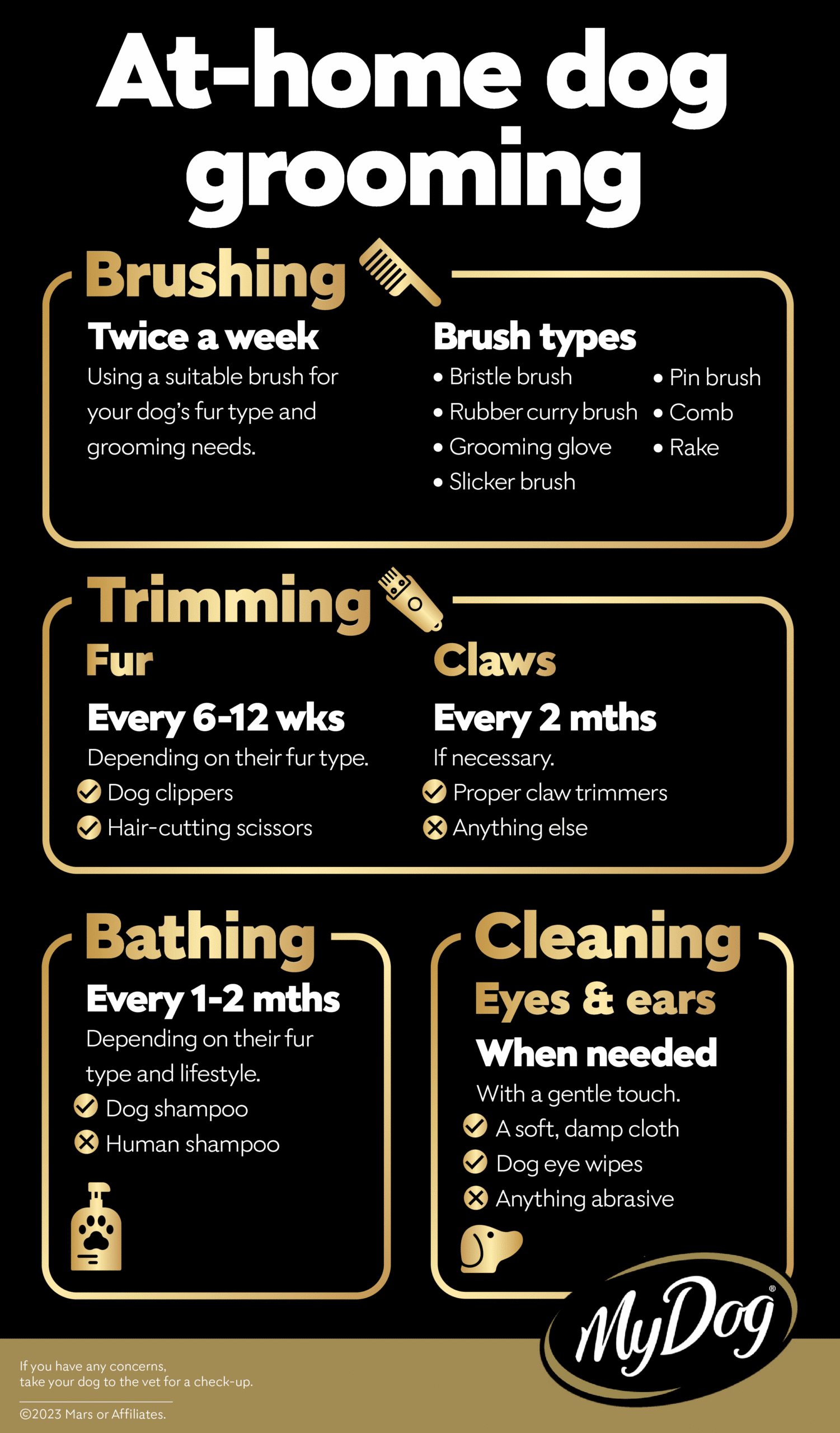
Choosing appropriate grooming tools is fundamental to safely brushing your dog’s bum fur. The key is to opt for gentle, effective tools designed for sensitive skin and delicate fur. A high-quality slicker brush with fine, soft bristles is ideal for removing loose hair and preventing matting without pulling or causing irritation. For particularly sensitive or mat-prone areas, a dematting comb or a grooming rake with rounded teeth can help gently detangle fur without discomfort.
Another essential supply is grooming scissors or clippers if trimming is necessary. Use rounded-tip scissors designed specifically for pet grooming to avoid accidental cuts. If you prefer clipping, choose small, quiet clippers with adjustable blades suitable for fine or sensitive fur. Always ensure tools are clean and sanitized before use, as dirty tools can transfer bacteria and cause infections.
Don’t forget to have some calming aids on hand—like pet-safe wipes or a gentle water spray—to help clean and soothe your dog during grooming. Consider using grooming gloves with soft rubber tips, which can help remove loose fur and dirt while providing a gentle massage. Being prepared with the right tools not only makes the grooming process smoother but also minimizes stress for your dog, encouraging a more positive grooming experience over time.
Step-by-Step Guide to Safely Brushing Your Pet’s Bum Fur
Grooming your dog’s bum fur requires patience, gentle handling, and a systematic approach. Here’s a step-by-step guide to help you do it safely and effectively:
-
Create a Calm Environment: Begin grooming in a quiet, comfortable space where your dog feels relaxed. Use calming tones and gentle voice commands to reassure them. Having treats nearby can also motivate cooperation.
-
Secure Your Dog: Depending on your dog’s size and temperament, you may want to have someone assist you or use a grooming table with safety straps to keep them steady. Always handle with care to avoid causing stress or injury.
-
Start with Inspection: Gently lift the tail and inspect the area for mats, dirt, or signs of irritation. If mats are present, address them carefully with a detangling spray and a dematting tool. Avoid trying to force through mats, as this can cause pain.
-
Brush Gently: Use a slicker brush or grooming rake to delicately brush the fur in the direction of growth. Move slowly and avoid tugging—if you encounter resistance, stop and work on detangling with a comb or scissors.
-
Trim as Needed: If fur is excessively long or matted, carefully trim the excess with rounded-tip scissors or clippers. Be cautious around sensitive skin and always cut away from the body to prevent accidental injury.
-
Clean and Finish: Wipe the area with pet-safe wipes or a damp cloth to remove any remaining dirt or debris. Praise your dog and reward them with treats or affection to reinforce a positive experience.
Remember, patience is key—take your time and avoid rushing. Regular grooming sessions will help your dog become more comfortable with the process, making future grooming easier and less stressful.
Tips for Maintaining Your Pet’s Comfort and Hygiene During Grooming
Your dog’s comfort should always come first during grooming. To ensure a positive experience, start by familiarizing your pet with grooming tools gradually, allowing them to sniff and explore the tools beforehand. Use treats, soothing words, and gentle handling to build trust and reduce anxiety. If your dog shows signs of distress, take breaks or consider seeking professional groomer assistance to avoid causing trauma or discomfort.
Maintaining hygiene during and after grooming is equally important. Regularly cleaning your grooming tools prevents bacterial buildup that can lead to skin infections or irritations. After grooming, check for any skin irritations, redness, or small cuts, and address them promptly. Applying a pet-safe soothing balm or skin spray can help calm sensitive skin and prevent further irritation. Additionally, keeping your dog’s bedding and living area clean reduces the accumulation of dirt and bacteria around the rear area.
Keeping your dog comfortable during grooming also involves understanding their limits. Some dogs may dislike certain procedures or positions—respect their comfort levels and avoid forced handling. Using calming sprays or pheromone diffusers can help reduce anxiety, making grooming sessions more pleasant. Ultimately, consistency, patience, and positive reinforcement foster a trusting relationship that benefits your dog’s overall hygiene and well-being.
Common Challenges and Solutions for Grooming Bum Fur Effectively
Grooming your dog’s bum fur can come with challenges such as resistance, matting, or skin sensitivities. Resistance often stems from discomfort or anxiety, which can be mitigated by gradually introducing your dog to grooming routines and rewarding cooperation. Start with short, positive sessions and use treats to encourage your dog to stay calm and relaxed.
Matting is a common challenge, especially in breeds with long or thick fur. Regular brushing, ideally several times a week, prevents mats from forming. When facing stubborn mats, avoid tugging or cutting them out without proper tools, as this can cause pain or injury. Instead, use detangling sprays and carefully work through mats with gentle tools, or seek professional help if mats are severe. Consistent grooming routines will make future detangling less stressful for both you and your dog.
Sensitive skin can complicate grooming, as aggressive brushing or improper tools may lead to irritation or scratching. To address this, choose soft-bristled brushes and avoid over-brushing sensitive areas. If your dog has skin conditions or allergies, consult a veterinarian for tailored grooming advice. Using lukewarm water, gentle grooming products, and soothing wipes can also help maintain skin health. When in doubt, seeking professional grooming assistance ensures your dog’s safety and comfort while keeping their hygiene on point.
In Conclusion
Grooming your dog’s bum fur safely and effectively is a vital part of maintaining their overall health and hygiene. By understanding the unique needs of this sensitive area, selecting the right tools, and following a gentle, systematic approach, you can turn grooming into a positive experience. Regular care prevents discomfort, infections, and matting, ensuring your furry friend stays happy and comfortable. Remember to be patient, use positive reinforcement, and adapt your techniques to your dog’s specific needs. With time and practice, grooming your dog’s bum fur will become a routine that benefits both you and your beloved pet—making hygiene simple, safe, and stress-free.