


How to Handle Your Shedding Season Easily: Tips for Healthy Fur & Skin
Shedding season is a natural and inevitable part of owning pets or caring for animals with fur. While it’s common for dogs, cats, and other mammals to shed, the process can sometimes feel overwhelming—clothes, furniture, and floors covered in fur can be a real challenge. But with the right knowledge and a few smart strategies, you can manage shedding more effectively, keeping your pet’s fur healthy and your home cleaner. This article dives deep into understanding why shedding happens, practical management techniques, nutritional tips, home environment adjustments, and when to seek professional help. Let’s explore how to make shedding season less stressful for everyone involved!
Understanding Shedding Season and Its Causes
Shedding is a natural biological process where animals shed old or damaged fur to make way for new growth. It’s essential for maintaining healthy skin and fur, allowing animals to adapt to changing temperatures and environmental conditions. Many pet owners notice increased shedding during specific times of the year—typically spring and fall—when animals shed their winter or summer coats to adapt to climate changes. This seasonal shedding is driven by changes in daylight hours and temperature, which influence the animal’s hormonal cycles that regulate hair growth and shedding.
Beyond seasonal changes, shedding can be triggered by factors such as nutritional deficiencies, stress, allergies, and health issues. For example, poor nutrition can weaken hair follicles, leading to more shedding, while allergies to certain foods or environmental factors like pollen and dust can cause skin irritation and hair loss. Stress from moves, new household members, or illness can also disturb the shedding cycle. Additionally, genetics plays a role—some breeds naturally shed more heavily than others, especially double-coated breeds like Huskies or Labrador Retrievers. Understanding these causes helps you differentiate between normal shedding and abnormal hair loss requiring attention.
Environmental factors significantly impact shedding patterns. Changes in humidity, temperature, and exposure to sunlight alter the animal’s skin health and fur growth cycle. For example, dry winter air can cause fur to become brittle and shed prematurely, while humid summer conditions promote healthier fur growth in some animals. Regular grooming and monitoring your pet’s skin and coat can help you identify unusual shedding or irritation early on, ensuring you address underlying issues promptly. Recognizing the biological and environmental triggers empowers you to tailor your care routines effectively.
Effective Hair and Fur Management Techniques
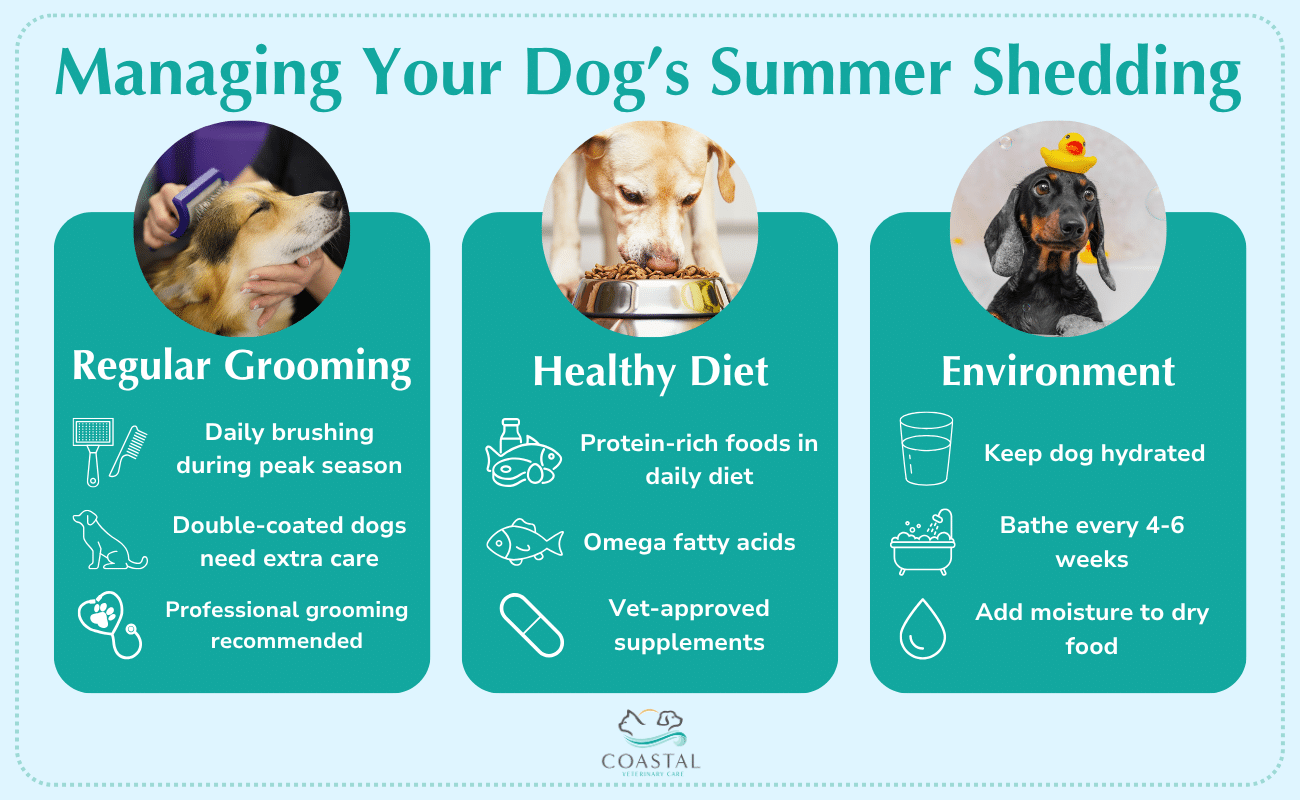
Managing shedding efficiently starts with establishing a consistent grooming routine tailored to your pet’s breed, coat type, and individual needs. Regular brushing is the cornerstone, as it helps remove loose fur before it falls around your home and stimulates natural oil production, keeping the skin healthy. For dogs and cats with long or thick coats, daily brushing with appropriate tools—such as slicker brushes or undercoat rakes—can drastically reduce the amount of fur shed around your house. Short-haired animals may benefit from weekly brushing to keep loose hairs in check. Incorporating grooming into your pet’s routine not only minimizes shedding but also strengthens your bond and allows you to check for skin issues like dryness, redness, or parasites.
Choosing the right grooming tools is crucial—use gentle, effective brushes designed for your pet’s fur type. For example, de-shedding tools like the Furminator are popular for reducing excess hair, while rubber gloves or grooming mitts can help remove loose fur during quick daily sessions. Regular baths with pet-friendly shampoos formulated for skin health can also help loosen and remove loose hair, reducing the amount that falls off later. Remember to be gentle, as harsh grooming can damage the skin or cause discomfort, leading to increased shedding or skin infections. Combining brushing, bathing, and occasional trimming ensures your pet’s coat remains healthy and less prone to excessive shedding.
In addition to grooming, simple home techniques can help control loose fur. Using lint rollers or rubber broom cloths on furniture and clothing can quickly pick up stray hairs, saving you time and effort. Vacuuming regularly with a pet-specific HEPA-filter vacuum can keep fur from accumulating in carpets and upholstery. For particularly furry pets, consider protective covers for furniture or specialized pet beds with washable covers. Scheduling grooming sessions during peak shedding months and establishing a routine helps keep shedding manageable and your home cleaner, making pet ownership more enjoyable despite seasonal challenges.
Nutritional Strategies to Minimize Excess Shedding
A balanced diet is fundamental for maintaining a shiny, healthy coat and minimizing excess shedding. Proper nutrition provides essential fatty acids, vitamins, and minerals that support skin integrity and hair growth. Omega-3 and Omega-6 fatty acids, found in fish oils and flaxseed, are especially beneficial as they help reduce inflammation, improve coat condition, and prevent dryness and brittleness. Incorporating these into your pet’s diet through high-quality commercial food or supplements can significantly decrease shedding caused by poor skin health. Always consult your veterinarian before introducing new supplements to ensure they’re appropriate for your pet’s age, breed, and health condition.
Apart from fatty acids, ensuring your pet receives adequate protein is critical since hair is primarily made of keratin, a protein-based compound. A diet rich in high-quality animal proteins supports hair follicle strength and growth. Vitamins such as biotin, vitamin E, and B-complex vitamins also play a vital role in hair health. Many commercial pet foods are formulated with these nutrients, but you can also consider adding supplements if your pet’s diet is lacking. Hydration is equally important—encourage your pet to drink plenty of water, as dehydration can lead to dry skin and excess shedding. Fresh water and wet food options can help maintain skin moisture and overall fur health.
Lastly, addressing any medical conditions that affect skin and coat health is essential. Conditions such as hypothyroidism, allergies, or skin infections can cause abnormal shedding or hair thinning. Regular veterinary checkups allow for early detection and treatment of these issues. If your pet is suffering from persistent shedding despite good nutrition, your veterinarian may recommend additional tests or specialized diets tailored to promote healthier fur and skin. Implementing these nutritional strategies effectively reduces excess shedding, leading to a healthier, shinier coat and a happier pet.
Creating a Shedding-Friendly Environment at Home
Maintaining a clean, fur-free living space is a common challenge during shedding seasons. Regular cleaning routines help manage loose hair and prevent fur from settling into carpets, furniture, and clothing. Start with frequent vacuuming using a high-efficiency particulate air (HEPA) filter vacuum designed for pet hair, especially focusing on carpets, upholstery, and pet bedding. Using a vacuum with specialized pet hair attachments can make this process more efficient. Additionally, wash pet bedding, blankets, and curtains regularly to remove accumulated fur and dander, which can trigger allergies in sensitive household members.
Implementing furniture protection solutions can also make a big difference. Slipcovers or washable throws can be easily removed and cleaned, preventing fur buildup on sofas and chairs. For pet owners with carpets, using area rugs with low pile can make vacuuming easier and reduce fur trapping. Consider installing air purifiers equipped with HEPA filters in common areas to improve indoor air quality by trapping pet dander and loose hair. Creating a designated grooming space at home simplifies regular brushing routines, reducing fur dispersal throughout the house. These proactive measures can greatly lessen the mess and keep your environment healthier for everyone.
Scheduling regular cleaning routines during peak shedding months is key to staying ahead of fur accumulation. Developing a weekly schedule that includes vacuuming, furniture wiping, and washing pet accessories ensures fur doesn’t become overwhelming. Using lint rollers on clothing and car seats can help manage stray hairs on the go. Moreover, providing your pet with dedicated space—like a cozy bed or corner—encourages them to shed fur in one area, making cleanup more straightforward. By creating a shedding-friendly environment, you’ll find it easier to keep your home tidy, reduce allergens, and maintain a comfortable living space for your furry friends.
When to Seek Professional Help for Excessive Shedding
While shedding is usually normal, there are signs that indicate your pet might require professional attention. Excessive hair loss accompanied by bald patches, redness, swelling, or crusty skin could signal underlying health issues such as allergies, skin infections, parasites, or hormonal imbalances. If your pet’s shedding seems abnormal—like sudden hair thinning or patchy fur—it’s essential to consult a veterinarian promptly. Identifying and treating these underlying conditions early can prevent further damage and improve your pet’s comfort and health.
Persistent itching, scratching, or skin inflammation are additional signs that professional help is needed. These symptoms often point to allergies or parasitic infestations like fleas or mites, which can cause significant hair loss if left untreated. Veterinarians may perform skin tests, blood work, or microscopic examinations to diagnose the root cause. In cases where shedding is linked to systemic health issues such as hypothyroidism or nutritional deficiencies, a tailored treatment plan can be developed. Never ignore symptoms of abnormal shedding—early intervention can make a significant difference in your pet’s quality of life.
Finally, if you’ve tried improving grooming, nutrition, and environment but shedding remains excessive or worsens, consulting a specialist like a dermatologist for pets or a veterinary dermatologist can be beneficial. They can provide advanced diagnostics, prescribe medicated shampoos, or recommend specialized treatments to address stubborn cases. Recognizing when shedding is abnormal ensures your pet receives the appropriate care and helps you maintain a healthy, comfortable environment. Always prioritize your pet’s health and consult professionals when in doubt—your vigilance can prevent more serious issues down the line.
Conclusion
Managing shedding season might seem daunting at first, but with a clear understanding of its causes and effective strategies, it becomes much more manageable. Regular grooming, proper nutrition, and a clean home environment form the foundation of healthy fur and skin, reducing excess shedding and keeping your pet comfortable. Recognizing the signs of abnormal shedding and knowing when to seek professional help ensures you address any underlying health issues promptly. Remember, shedding is a natural process, but with the right care, you can make it less stressful for your pet and your home. Embrace these tips, stay consistent, and enjoy a cleaner, healthier, and happier life with your furry friend!