


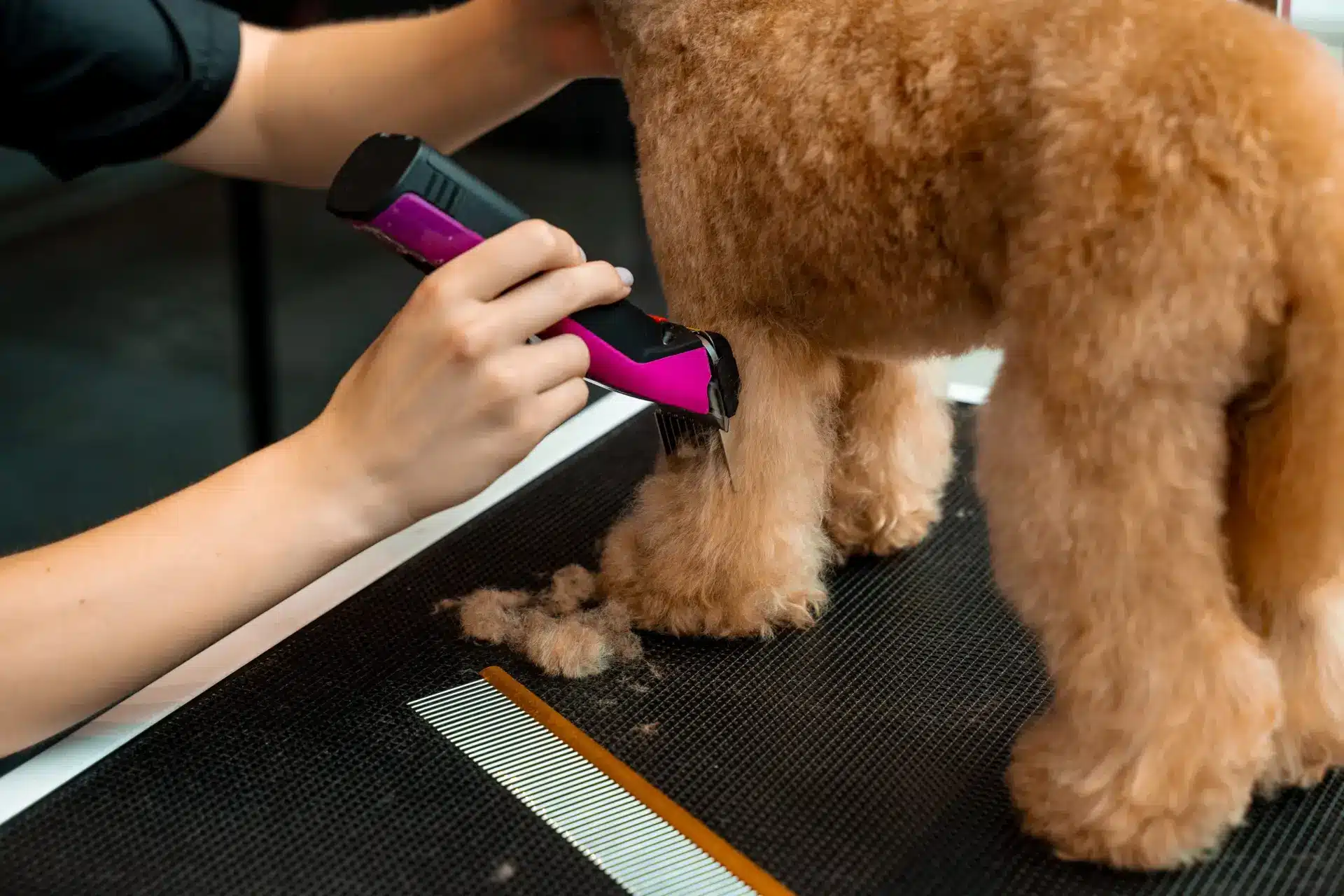
How to Groom Matted Fur Without Clippers: Tips for a Safe, Gentle Approach
Dealing with matted fur can be a challenging and sometimes stressful experience—for both pet owners and their furry friends. While professional grooming with clippers is often the quickest way to handle severe matting, many pet owners prefer to groom their pets at home, especially when clippers aren’t available or if their pet is sensitive to noise and handling. The good news is, with patience, gentle techniques, and the right tools, you can successfully groom matted fur without clippers, ensuring your pet stays comfortable and healthy.
In this comprehensive guide, we’ll explore how to understand the causes and risks of matted fur, prepare your pet and environment, use effective hand-removal techniques, employ gentle detangling solutions, and prevent future matting. Whether you’re dealing with mild tangles or more stubborn mats, this article will empower you with the knowledge to approach grooming safely and compassionately.
Understanding the Causes and Risks of Matted Fur in Pets
Matted fur occurs when loose hair becomes tangled and forms knots that are tightly bound to the underlying coat. Many factors can contribute to this problem, including breed, coat type, grooming routines, and environmental conditions. For instance, long-haired breeds like Persians, Shih Tzus, and Golden Retrievers are more prone to matting if not groomed regularly. Pets with thick or curly fur are also at higher risk because their hair tends to trap dirt and moisture more easily.
Understanding why mats form helps in both prevention and effective removal. Mats often develop from neglecting regular brushing, allowing loose hair, dirt, and debris to accumulate. Moisture from bathing or outdoor play, combined with lack of grooming, creates an ideal environment for mats to form and tighten. Additionally, some health issues—such as skin infections, parasites, or mobility problems—can hinder your pet’s ability or willingness to groom themselves, leading to matting.
It’s essential to recognize that severe mats can pose health risks. They can cause skin irritation, restrict airflow to the skin, harbor bacteria or parasites, and even lead to pain or restricted movement. Attempting to remove thick mats improperly can cause skin injuries, so understanding the causes and risks makes it clear why gentle, informed grooming is crucial. Regular grooming, proper care, and timely intervention can prevent mats from becoming a serious problem.
Preparing Your Pet and Environment for Safe Grooming
Before starting the grooming process, proper preparation ensures the safety and comfort of both you and your pet. First, choose a calm, quiet space with good lighting where your pet feels secure. Reducing environmental stressors—like loud noises or unfamiliar surroundings—helps keep your pet relaxed during grooming.
Next, gather all necessary grooming tools, including wide-tooth combs, slicker brushes, de-matting tools, and possibly detangling sprays or conditioners formulated for pets. Have treats, toys, or praise ready to reward your pet and create a positive association with grooming time. If your pet is anxious or aggressive, consider enlisting a friend or professional for support, or consult your veterinarian for advice on calming products like pheromone sprays.
It’s also vital to inspect your pet’s skin and coat beforehand. Look for any signs of irritation, infection, or wounds that might require veterinary attention before attempting to groom. Ensuring your pet’s nails are trimmed can prevent accidental scratching or injury during grooming, and a gentle brushing with a de-shedding tool can help loosen surface tangles. Never rush this process—taking your time sets a gentle tone for the grooming session and helps build trust with your pet.
Effective Hand-Removal Techniques for Mild to Moderate Matted Fur
For mild to moderate matting, hand-removal techniques can be surprisingly effective and less stressful than aggressive cutting. Start by gently holding the matted area, supporting the skin to prevent pulling or injury. Use your fingers or a wide-tooth comb to carefully separate the loose, less-tangled hair from the tightly bound knots. Often, gentle teasing with your fingers can loosen surface mats without causing discomfort.
Work slowly and patiently, working in small sections to avoid overwhelming your pet. When you encounter a stubborn knot, don’t pull aggressively. Instead, gently lift the hair and try to tease apart the tangle, working from the outer edges inward. If the mat is too tight or painful to untangle by hand, consider applying a pet-safe detangling spray or conditioner. These products can help lubricate the hair, making it easier to loosen the knots without causing pain or skin damage.
Throughout the process, communicate with your pet using soothing words and gentle strokes to keep them calm. Take breaks if needed, especially if your pet becomes anxious or uncomfortable. If the mats are very close to the skin, be cautious to avoid skin injury; in such cases, using a gentle dematting comb or brush designed for that purpose can help. Remember, the goal is to remove mats safely without causing stress or harm—patience and a gentle approach are your best tools.
Gentle Detangling and De-matting Solutions Without Clippers
When dealing with mats that are too tight to remove by hand, gentle detangling solutions can effectively loosen and remove them without the need for clippers. First, consider using a pet-safe detangling spray or conditioner that softens the hair and reduces static, making it easier to work through stubborn knots. Apply the product generously on the matted area, then gently massage or work it into the fur with your fingers or a soft brush.
For more stubborn mats, a de-matting rake or comb with wide teeth can be very helpful. These tools are designed to gently work through mats without pulling or damaging the skin. Always start from the tips of the hair and work your way toward the skin, gradually loosening the knot. Never yank or force your way through a tight mat, as this can cause pain, skin irritation, or even open wounds.
In some cases, patience and repeated gentle efforts are necessary. Applying a little bit of cornstarch or talcum powder can help loosen the fur temporarily by reducing static and adding slip. After applying, work slowly to tease apart the mat, always prioritizing your pet’s comfort. If you’re unsure or the matted area is large or close to sensitive skin, consulting a professional groomer or veterinarian is advisable. The key to de-matting without clippers is patience, gentle handling, and using the right tools and products to protect your pet’s skin.
Tips for Preventing Future Fur Matting and Maintaining Coat Health
Prevention is always better than cure. Regular grooming routines are essential to prevent fur from becoming matted, especially for breeds with long or curly coats. Brushing your pet at least several times a week—or daily for high-maintenance coats—helps remove loose hairs, dirt, and tangles before they turn into mats. Use appropriate brushes and combs tailored to your pet’s coat type to maximize effectiveness and reduce discomfort.
In addition to routine brushing, maintaining a healthy diet rich in omega fatty acids can promote a shiny, resilient coat. Regular baths with gentle, nourishing shampoos formulated for your pet’s skin and coat type help keep fur clean and manageable. When bathing, always follow with a conditioner or detangling spray to make subsequent brushing easier. Also, consider grooming tools like detangling sprays or leave-in conditioners designed specifically for pets, which can help reduce static and make grooming sessions smoother.
Finally, establishing a consistent grooming schedule and addressing any skin issues promptly can significantly reduce the likelihood of matting. Regular veterinary check-ups ensure your pet’s skin and coat stay healthy, while keeping their environment clean and free of excessive moisture or debris. By building a positive grooming routine and making it a bonding activity, you’ll help keep your pet comfortable, healthy, and mat-free for years to come.
Conclusion
Grooming mats out of your pet’s fur without clippers might seem daunting at first, but with patience, gentle techniques, and the right tools, it’s entirely achievable. Understanding the causes of matting helps in preventing future issues, while proper preparation ensures a safe environment for grooming. Using effective hand-removal and detangling methods allows you to gently loosen and remove mats without causing pain or injury.
Remember, the key to successful grooming is kindness and patience. If you encounter stubborn mats or feel unsure about removing them safely, don’t hesitate to consult professional groomers or your veterinarian. Regular grooming, a healthy diet, and attentive coat care will keep your pet comfortable, healthy, and free of mats—and strengthen the bond you share. Happy grooming!