


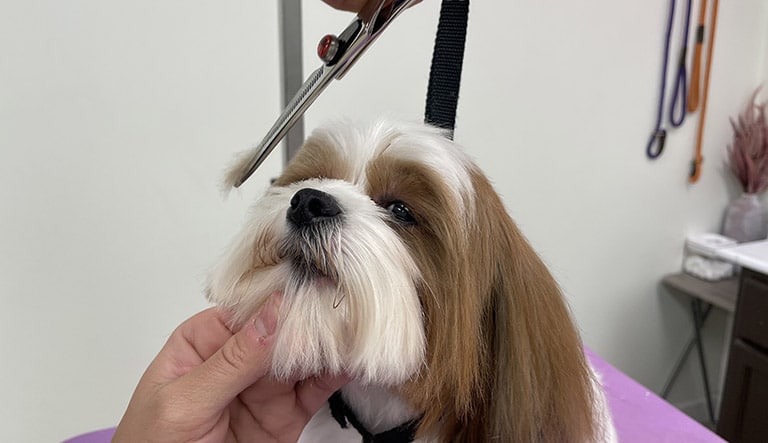
Clip Dog Whiskers: Debunking Myths and Facts About Pet Grooming
If you’ve ever watched a dog being groomed or seen someone trimming a pup’s facial hair, you might have wondered about the purpose of a dog’s whiskers and whether trimming or clipping them is safe. There’s a lot of misinformation floating around about dog whiskers, often leading pet owners to believe that clipping them is harmless or even beneficial. However, understanding the truth behind dog whiskers is crucial for responsible pet care. This article aims to shed light on what dog whiskers really are, common myths about trimming them, and best practices for maintaining their health. By exploring the facts and debunking misconceptions, pet owners can make informed decisions that prioritize their dog’s safety and well-being.
Understanding Dog Whiskers and Their Functions
Dog whiskers, scientifically known as vibrissae, are specialized sensory hairs located primarily on a dog’s muzzle, above their eyes, and on their jawline. These thick, stiff hairs are fundamentally different from regular fur—they are deeply embedded in the dog’s skin and connected to a rich network of nerves and blood vessels. This unique anatomy allows whiskers to act as highly sensitive tactile tools that help dogs interpret their environment.
Whiskers serve vital functions that go beyond mere appearance. They act as radar-like sensors that detect changes in airflow and nearby objects, especially in low-light or tight spaces. For example, a dog can gauge whether they can fit through a narrow opening by brushing their whiskers against the sides, giving them spatial awareness. They also help dogs sense the position and movement of nearby objects, which enhances their ability to navigate safely. This sensory input is especially important for dogs with limited vision or during activities like hunting or exploring new environments.
Moreover, whiskers play a crucial role in communication and emotion detection. Dogs often use their whiskers to express mood; for instance, whiskers pushed forward may indicate curiosity or excitement, while whiskers pulled back might signal fear or discomfort. Recognizing the importance of whiskers in their sensory and emotional worlds underscores why they should be preserved and cared for properly. Understanding these functions helps dispel the myth that whiskers are merely decorative facial hair—they are essential tools for your dog’s safety and well-being.
Common Myths and Misconceptions About Clipping Dog Whiskers
Despite the importance of whiskers, many pet owners and even some groomers believe that clipping or trimming dog whiskers is harmless or purely aesthetic. This misconception leads to unnecessary harm and discomfort for dogs, as whiskers are a vital sensory organ. One of the most widespread myths is that clipping whiskers improves a dog’s appearance or prevents them from getting dirty, but in reality, this practice can impair their natural navigation and environmental perception.
Another common misconception is that whiskers will grow back quickly after trimming, which is false. Whiskers are deeply rooted in the skin and naturally shed and regrow over time, similar to other hair, but unnecessary trimming can cause confusion or cause the dog to feel disoriented. Some people believe that trimming whiskers reduces shedding or grooming maintenance, but in truth, it has no impact on fur shedding or cleanliness. Misguided beliefs like these can lead to unnecessary grooming procedures that compromise a dog’s safety.
Additionally, some pet owners think that whiskers are akin to facial hair in humans and can be clipped without consequences. However, because whiskers are highly sensitive, trimming them can lead to a loss of spatial awareness, increased anxiety, and even accidental injuries. Understanding these myths is essential to prevent harmful grooming practices. Educating yourself with facts about the vital role of whiskers helps ensure you prioritize your pet’s health over misconceptions.
The Impact of Removing or Trimming Dog Whiskers on Behavior and Safety
Removing or trimming a dog’s whiskers can have significant negative impacts on their behavior and safety. Since whiskers function as sensory tools, their absence can leave dogs feeling disoriented and more anxious about their environment. Many owners notice that dogs with trimmed whiskers tend to bump into objects or have difficulty navigating tight spaces, which can lead to injuries or stress. This disorientation is especially problematic in unfamiliar environments or for older dogs with reduced vision or mobility.
Moreover, the loss of whisker sensitivity can affect a dog’s confidence during activities like walking, exploring, or playing. Dogs rely heavily on their whiskers to detect subtle changes in airflow and proximity to objects, which helps them judge distances accurately. When these sensory inputs are compromised, a dog may become more hesitant, jumpy, or fearful—all of which can influence their overall behavior. In some cases, this discomfort might even lead to behavioral issues such as increased barking or withdrawal.
From a safety perspective, whiskers are crucial for preventing accidents. Dogs use their whiskers to judge whether they can pass through a space safely or to detect nearby hazards. Without this sensory input, they might attempt to squeeze into dangerous areas or become overly cautious, impacting their daily routines. Ultimately, trimming or clipping whiskers isn’t just a cosmetic choice—it can affect a dog’s comfort, confidence, and safety. Respecting their natural anatomy is essential for responsible pet ownership.
Best Practices for Maintaining Dog Whisker Health and Care
The best approach to caring for your dog’s whiskers is to recognize their importance and avoid unnecessary trimming. Regular grooming should focus on keeping your dog clean and healthy without interfering with their sensory hairs. If your dog has long facial hair that obscures their eyes or causes discomfort, consult a professional groomer or veterinarian for safe trimming of non-sensory fur rather than whiskers themselves. Remember, the goal is to maintain hygiene while preserving their natural sensory functions.
If trimming is necessary for aesthetic or practical reasons, ensure it is done correctly and minimally. Use blunt-edged scissors and only trim the hair around the face, avoiding the vibrissae entirely. Never pull or cut the whiskers, as this can cause pain, skin irritation, or damage to the follicle. Additionally, keep an eye on your dog’s overall skin health; healthy skin supports healthy hair growth, including their vibrissae. Regular checkups with your veterinarian can help identify any issues that might affect whisker health.
Beyond trimming, maintaining overall facial hygiene can prevent dirt and debris from obstructing a dog’s whiskers or causing skin infections. Gentle cleaning with a damp cloth and avoiding harsh chemicals or grooming products near the face is advisable. Providing a safe environment free of hazards will also ensure your dog can rely on their whiskers to navigate and explore confidently. Respecting these natural features aligns with compassionate pet care and supports your dog’s well-being.
Expert Recommendations and Safe Approaches to Managing Dog Whiskers
Veterinarians and professional groomers universally advise against clipping or trimming a dog’s whiskers unless medically necessary. If facial grooming is required, it’s best to leave the vibrissae untouched and focus on trimming only the fur that is not vital for sensory perception. For dogs with long hair that interferes with their vision or causes discomfort, professional grooming specialists are trained to perform safe, precise trims that respect their anatomy.
In cases where whiskers are accidentally trimmed or damaged, consult your veterinarian promptly. They may recommend monitoring the dog for signs of disorientation or discomfort and can provide guidance on how to support your pet’s adaptation. It’s also important to educate yourself about the signs of sensory impairment or anxiety resulting from whisker trimming so you can seek timely professional advice. Remember, your goal should be to enhance your dog’s comfort without compromising their natural abilities.
Finally, fostering a safe environment is the most effective way to support your dog’s natural sensory functions. Ensure your home and outdoor spaces are free from sharp objects or hazards that could cause injury if your dog’s navigation is temporarily affected. Providing mental and physical enrichment can also help your dog build confidence and adapt to their surroundings, reducing reliance on whisker-based navigation. Trusting experts’ advice and respecting your dog’s natural anatomy leads to healthier, happier pets.
Conclusion
Dog whiskers are a remarkable and highly sensitive part of your pet’s anatomy that plays a crucial role in their safety, navigation, and emotional expression. Understanding the true functions of vibrissae dispels harmful myths that trimming or clipping them is harmless or beneficial. In reality, removing or trimming whiskers can impair a dog’s spatial awareness, increase anxiety, and even cause injuries. The best approach to whisker care is to maintain good hygiene, avoid unnecessary trimming, and seek professional advice when needed.
Respecting your dog’s natural features not only ensures their safety but also enhances their confidence and comfort. As pet owners, it’s essential to be well-informed about the facts and avoid practices rooted in misconceptions. By doing so, you’re supporting your dog’s overall well-being and nurturing a trusting, healthy relationship. Remember—your dog’s whiskers are not just facial hair; they are vital tools that help them explore and understand the world around them. Let’s treat them with the care and respect they deserve.