


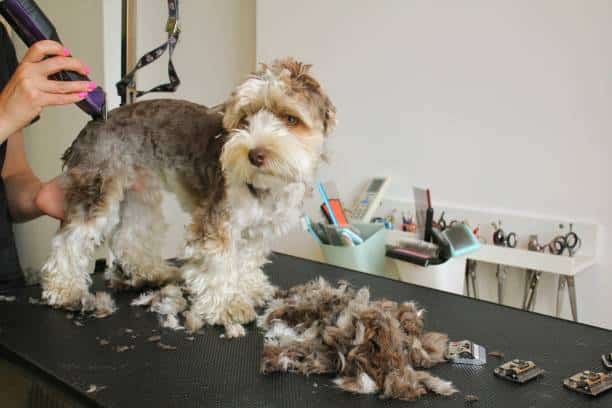
How to Groom Dogs That Don’t Like Touching: Tips for a Stress-Free Experience
Grooming your dog is a vital part of maintaining their health, hygiene, and overall well-being. However, some dogs are particularly sensitive or anxious about being touched, making grooming sessions a stressful ordeal for both pet and owner. These dogs might resist touch due to past negative experiences, breed tendencies, or simply their individual temperament. The good news is that with patience, understanding, and the right techniques, you can turn grooming into a positive experience—even for dogs that don’t like touching. This article will explore why some dogs dislike touching during grooming, how to recognize stress signals, effective strategies for desensitization, the best tools to help, and tips for maintaining a calm grooming routine.
Understanding the Causes of Discomfort in Dogs During Grooming
Many dogs that dislike grooming do so because of underlying issues that make touch uncomfortable or frightening. One common cause is past trauma—perhaps a rough grooming experience or an injury that makes certain areas sensitive or painful. For some breeds, especially those with thick coats, grooming can be physically uncomfortable if not done properly, leading to resistance or fear. Additionally, dogs with medical problems such as skin conditions, injuries, or arthritis may associate grooming with pain, further increasing their reluctance to be handled.
Another factor to consider is temperament. Some dogs are naturally more anxious or shy and may have a lower threshold for stress when it comes to being touched or restrained. Genetics play a role here—breed tendencies, such as herding or guarding instincts, can make certain dogs more wary of handling. Furthermore, the environment and grooming context matter; noisy, chaotic settings or rushed experiences can reinforce a dog’s fear or dislike of grooming. Understanding the root causes involves observing your dog’s history, breed characteristics, and current health status, which helps tailor a gentle grooming approach.
It’s also important to recognize that some dogs simply aren’t accustomed to being touched or handled from a young age. Dogs that haven’t been properly socialized or exposed to grooming routines early on might be more resistant. This lack of familiarity can amplify their discomfort or fear, making grooming sessions seem intimidating or overwhelming. Addressing these underlying causes with patience and care is the first step toward making grooming a less stressful experience.
Recognizing Signs of Stress and Anxiety in Grooming-Reluctant Dogs
Before you attempt to groom a dog that doesn’t like touching, it’s crucial to be able to recognize the signs of stress and anxiety. These signs often appear gradually as your dog becomes uncomfortable, and catching them early allows you to intervene before the situation escalates. Common indicators include panting, lip licking, yawning, trembling, and avoiding eye contact. You might also notice excessive scratching, trying to escape, or flattened ears, all signals that your dog is feeling uneasy.
Physical signs such as raised hackles, stiff body posture, or lip tension are more intense indicators of anxiety. Some dogs may also vocalize with whining, growling, or barking if they feel threatened or overwhelmed. It’s essential to pay attention to subtle cues—like shifting or trying to pull away—since forcing a dog through grooming when they’re clearly distressed can worsen their fear and lead to long-term grooming aversion. Developing an awareness of these signals helps you adapt your approach to keep the experience as calm and positive as possible.
Furthermore, understanding your dog’s individual thresholds is key. For some dogs, mild signs of discomfort can quickly escalate to full-blown panic or aggression. If you notice signs of high stress, it’s best to pause the grooming session and switch to calming techniques or try again later. Recognizing and respecting your dog’s comfort levels not only reduces stress but fosters trust, making future grooming sessions easier and more enjoyable for both of you.
Techniques for Gradual Desensitization and Building Trust
Transforming grooming into a positive experience for dogs that dislike touching requires patience and a strategic, step-by-step approach. Gradual desensitization is a proven method—this involves slowly exposing your dog to grooming-related stimuli in a controlled, non-threatening way. Begin by simply pairing your touch with something your dog loves, like treats or praise, so they associate handling with positive outcomes. For example, lightly touching a paw and immediately offering a tasty treat can help them learn that touch leads to good things.
Next, work on desensitizing your dog to specific grooming activities, starting with the least intrusive parts. For instance, if your dog resists having their ears touched, gently approach the ears with a lot of praise and treats, gradually increasing contact over time. Short, frequent sessions are more effective than long, overwhelming ones. Always go at your dog’s pace, stopping if they show signs of distress and resuming later. Consistency and patience build trust, and over time, your dog will become more comfortable with handling.
Using positive reinforcement throughout the process is key. Reward calm behavior, patience, and cooperation with treats, affection, or play. Incorporating calming techniques such as speaking softly, maintaining a relaxed posture, and using a calm voice can help your dog feel secure. For especially anxious dogs, introducing comfort items like a favorite blanket or calming pheromone sprays can further ease their nerves. The goal is to create a safe “training” environment where grooming routines become predictable, non-threatening, and even enjoyable.
Equipment and Tools to Make Grooming Easier for Sensitive Dogs
The right tools can make a significant difference when grooming dogs that don’t like touching. Gentle grooming brushes, like slicker brushes with soft bristles or rubber grooming gloves, help reduce discomfort during brushing by being more forgiving and less harsh on sensitive skin. For nail trimming, using a high-quality, sharp, and well-maintained clipper or grinder can minimize pain and anxiety—some dogs prefer grinders because they produce less noise and a smoother finish.
Handling sensitive areas such as paws, ears, or the face requires specialized equipment to minimize stress. For example, ear cleaning pads or cotton balls soaked in a gentle cleaner can make ear care less invasive, while grooming tables with non-slip surfaces provide stability and reduce movement. Additionally, calming aids like anxiety vests, calming sprays, or pheromone diffusers can help create a more relaxed grooming environment, especially when combined with familiar routines and soothing tones.
Another useful tool is a grooming restraint or a calming restraint system, which can help prevent sudden movements and keep your dog secure without causing discomfort. Always choose tools designed for sensitive dogs—avoid harsh metal brushes or loud clippers that can trigger fear responses. Investing in ergonomically designed tools and familiar, comfortable handling techniques ensures you can groom effectively while keeping your dog’s stress levels to a minimum.
Tips for Maintaining Grooming Routine While Minimizing Stress
Establishing a consistent grooming routine can significantly reduce anxiety in dogs that dislike touch, as predictability helps them feel more secure. Try to schedule grooming sessions at the same time each week or month, so your dog knows what to expect. Keeping sessions short initially and gradually increasing their duration as your dog becomes more comfortable can prevent overwhelming them. Over time, this routine builds trust and helps your dog associate grooming with positive experiences.
Creating a calm, distraction-free environment is also essential. Choose a quiet space with minimal noise and visual stimuli, such as a dedicated grooming corner or a familiar room. Using soothing background music or calming scents can further relax your dog. Additionally, keep grooming tools handy and organized to streamline the process and avoid unnecessary delays that might heighten your dog’s stress. Always speak in a gentle, reassuring tone and use positive reinforcement throughout the grooming session.
Finally, be attentive to your dog’s mood and stress levels. If your dog shows signs of discomfort or fatigue, it’s best to pause and resume later. Recognize that consistent, gentle handling over time leads to better cooperation and less stress. Celebrating small successes and rewarding your dog with treats or praise after each session reinforces positive associations. Remember, patience and empathy are your best tools—every dog is unique, and respecting their limits will foster a trusting, stress-free grooming routine.
Conclusion
Grooming dogs that don’t like touching can be challenging, but with understanding, patience, and the right approach, it’s entirely possible to make these sessions stress-free and even enjoyable. By understanding the underlying causes of discomfort, recognizing stress signals early, employing gradual desensitization techniques, and using appropriate equipment, you can build trust and cooperation. Establishing a consistent routine in a calm environment helps your dog feel secure, making grooming a bonding experience rather than a battle. Remember, every dog is different—what matters most is respecting their individual needs and progressing at their pace. With time and perseverance, you’ll help your sensitive dog feel more comfortable in grooming situations, ensuring their health and happiness for years to come.