


How to Maintain Healthy Fur with Coconut Oil: Tips for Your Cat or Dog
Having a pet with a shiny, healthy coat isn’t just about aesthetics; it’s a sign of overall good health and proper grooming. Many pet owners are turning to natural remedies to boost their furry friends’ fur health, and coconut oil has become a popular choice. Known for its nourishing properties, coconut oil can help improve fur shine, reduce dryness, and soothe skin irritations. But how exactly can you incorporate coconut oil into your pet care routine effectively and safely? This article explores the benefits, proper application techniques, selection tips, safety precautions, and holistic approaches to maintaining your pet’s fur with coconut oil.
Benefits of Coconut Oil for Fur Health and Shine
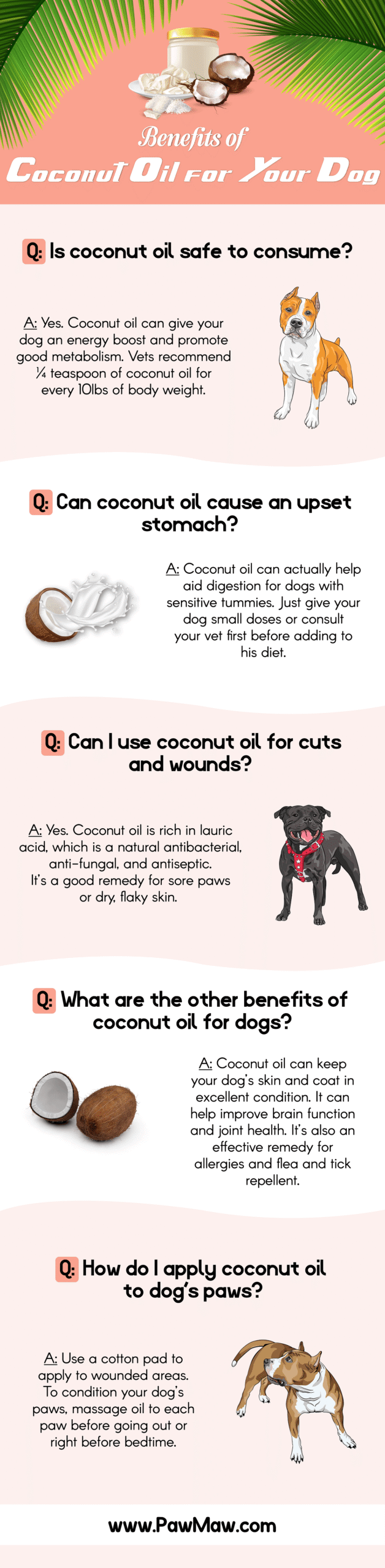
Coconut oil is packed with fatty acids, antioxidants, and antimicrobial properties that make it an excellent natural supplement for pet fur health. One of the primary benefits of incorporating coconut oil into your pet’s grooming routine is its ability to enhance the fur’s natural shine. The medium-chain triglycerides (MCTs) in coconut oil penetrate the fur strands and skin, providing deep hydration and a lustrous appearance. Regular use can help reduce dullness caused by environmental factors, dry air, or poor diet, leaving your pet’s coat looking vibrant and healthy.
Beyond appearance, coconut oil also offers significant skin health benefits. Its antifungal and antimicrobial properties help combat common skin issues such as dryness, itchiness, hot spots, and dermatitis. Pets with sensitive skin or allergies often experience relief when coconut oil is used topically, as it helps restore the skin’s natural barrier. Additionally, omega fatty acids in coconut oil support skin elasticity and reduce inflammation, which is especially beneficial for pets suffering from skin conditions or aging-related dryness.
Another notable advantage is coconut oil’s role in promoting overall fur growth and reducing shedding. When used consistently, it can strengthen hair follicles and improve the texture of the coat. For pets recovering from illness or dealing with nutritional deficiencies, coconut oil acts as a supplement that can boost fur health from the inside out. When combined with a balanced diet, coconut oil becomes a simple, natural way to support your pet’s fur health, making grooming a more enjoyable experience for both of you.
Proper Application Techniques for Coconut Oil on Pets’ Fur
Applying coconut oil correctly is key to maximizing its benefits without causing any discomfort or mess. For topical use, start with a small amount of organic, unrefined coconut oil. Warm the oil slightly to make it easier to spread—this can be done by rubbing it between your hands or placing the container in warm water. Before applying, ensure your pet is calm and in a comfortable position, ideally during grooming or after a bath when the fur is clean and slightly damp, which helps the oil absorb better.
Begin by parting your pet’s fur and gently massaging the coconut oil into the skin using your fingertips or a soft brush. Focus on areas prone to dryness or irritation, such as the elbows, belly, and behind the ears. Be cautious not to over-apply; a small amount goes a long way. For dogs and cats with long or thick fur, consider using a wide-tooth comb or brush after application to distribute the oil evenly and prevent clumping. Allow the oil to sit for at least 15-20 minutes for absorption—some owners prefer to leave it overnight for intense conditioning, but this depends on your pet’s tolerance and comfort.
For maintenance, periodic topical application—such as once or twice a week—can keep the coat shiny and skin healthy. If your pet has skin issues, consult your veterinarian for tailored advice, as some conditions may require specific treatment plans. When using coconut oil on your pet’s fur, always monitor for signs of allergic reactions or irritation. Keep in mind that consistency is key—regular, gentle application yields the best long-term results in maintaining a healthy, glossy coat.
Choosing the Right Type of Coconut Oil for Pet Use
Not all coconut oils are created equal, especially when it comes to pet care. When selecting coconut oil for your cat or dog, opt for organic, virgin, cold-pressed, and unrefined options. These versions retain the highest levels of nutrients, antioxidants, and beneficial fatty acids, making them the safest and most effective for your pet’s fur health. Avoid refined or hydrogenated coconut oils, which may contain additives or chemicals that could irritate your pet’s skin or cause adverse reactions.
The packaging also matters. Look for products that are clearly labeled as suitable for human consumption or explicitly mention they are safe for pets. While coconut oil is generally safe, some pets may have sensitivities or allergies, so consider testing a small amount first. For ingestion—if you decide to incorporate coconut oil into your pet’s diet—choose high-quality, food-grade coconut oil. Always check the ingredient list to ensure there are no added preservatives or artificial flavors.
Additionally, consider the source and certification of the coconut oil. Organic products are cultivated without pesticides or synthetic fertilizers, reducing the risk of exposure to harmful chemicals. When in doubt, consult your veterinarian for recommendations on reputable brands and types of coconut oil suitable for your pet’s specific needs. Choosing the right coconut oil sets the foundation for safe, effective, and natural fur care.
Common Precautions and Safety Tips for Using Coconut Oil on Fur
While coconut oil is generally safe for pets, there are important precautions to keep in mind to ensure your pet’s safety and well-being. First, always start with small amounts and observe how your pet reacts. Some animals may be sensitive or develop allergies, leading to redness, itching, or gastrointestinal upset if ingested in excess. If you notice any adverse signs, discontinue use immediately and consult your veterinarian.
Second, avoid applying coconut oil near your pet’s eyes, ears, and nose to prevent irritation or accidental ingestion. Excessive application can also create a greasy coat that attracts dirt or causes matting, which might require more frequent grooming. For pets prone to eating or licking their fur excessively, you might want to apply the oil in areas that are less accessible or supervise grooming sessions closely.
Finally, remember that coconut oil should complement, not replace, a balanced diet and proper veterinary care. It’s not a cure-all but rather a supplement to support overall fur and skin health. Overuse can lead to weight gain or gastrointestinal issues, especially if ingested in large quantities. Always consult with your veterinarian before starting any new grooming regimen involving coconut oil, particularly if your pet has underlying health conditions or is on medication.
Incorporating Coconut Oil into a Holistic Fur Care Routine
For truly healthy fur, coconut oil should be part of a broader, holistic approach to pet grooming and nutrition. Regular brushing helps distribute natural oils and removes loose fur, which enhances the effectiveness of topical treatments like coconut oil. Incorporating a balanced diet rich in Omega-3 and Omega-6 fatty acids—whether through high-quality commercial food or supplements—supports internal fur health and complements topical applications.
Alongside topical use of coconut oil, consider adding it to your pet’s diet in moderation. A spoonful of coconut oil mixed into food can promote shinier fur from within, as long as your veterinarian approves it based on your pet’s health status. Routine bathing with gentle, natural shampoos can also help maintain a clean, healthy coat, allowing the coconut oil to penetrate better. Lastly, maintaining a stress-free environment and providing regular veterinary checkups ensures your pet remains in optimal health, which reflects in their fur.
A holistic fur care routine involves patience and consistency. Use coconut oil as a natural conditioner, supplement it through diet, and combine these efforts with good grooming habits and proper nutrition. Over time, your pet’s coat will not only look better but will also feel healthier and more resilient against environmental stressors. This comprehensive approach ensures that your furry friend’s fur remains beautiful, shiny, and healthy for years to come.
Conclusion
Maintaining healthy, shiny fur in cats and dogs doesn’t have to be complicated or rely solely on commercial products. Coconut oil offers a natural, versatile solution to boost your pet’s skin and coat health when used correctly. From understanding its benefits, applying it properly, choosing the best quality, and taking safety precautions, to integrating it into a holistic grooming routine, you can help your pet enjoy a glossy, healthy coat. Remember, every pet is unique, so tailor your approach to their specific needs and always consult your veterinarian for personalized advice. With patience, consistency, and a touch of natural care, your beloved pet’s fur can truly shine from the inside out.