


How to Remove Salt from Fur After Winter Walks: Easy Cleaning Tips
Winter walks are a favorite activity for many pet owners, offering fresh air, exercise, and bonding time with your furry friend. However, winter also brings its own set of challenges—especially when it comes to salt and chemicals used to melt ice. Salt can be harsh on your pet’s fur and skin, leading to discomfort, irritation, and even health issues if not properly addressed. Knowing how to effectively remove salt from your pet’s fur after winter walks is essential for maintaining their comfort and health. In this article, we’ll explore the impact of salt on fur and skin, how to prepare your pet for winter outings, safe and effective cleaning techniques, and tips to keep your pet’s coat healthy throughout the season.
Whether you’re a seasoned dog owner or new to winter pet care, understanding these steps can help you navigate the snowy months more confidently. Let’s dive into the details so you can keep your pet happy, safe, and salt-free!
Understanding the Impact of Salt on Fur and Skin Health
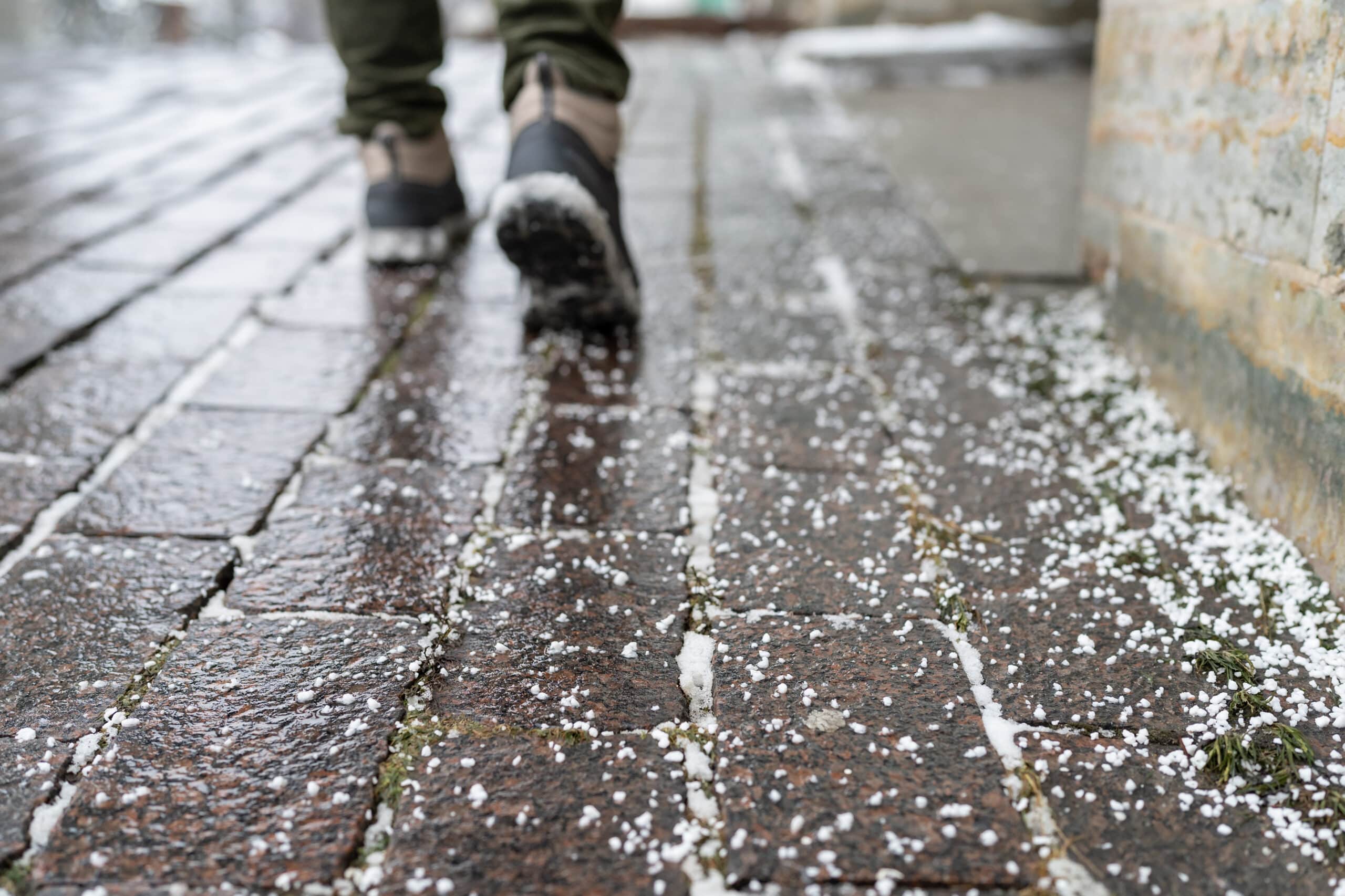
Salt used on icy sidewalks and roads is meant to melt ice and make walking safer, but it can have unintended consequences for your pet. When dogs or cats walk through salted areas, the salt particles stick to their fur and paws, and can easily be ingested if they lick themselves. Over time, residual salt can cause skin irritation, dryness, and in some cases, allergic reactions. Prolonged exposure may even lead to dermatitis, characterized by redness, itching, and inflammation.
Beyond skin irritations, salt can be harmful if ingested in large quantities, potentially leading to gastrointestinal upset or salt poisoning. Pets with sensitive skin, young puppies, or those with pre-existing skin conditions are especially vulnerable. The salt residue can also damage the fur’s natural oils, leading to matting and a dull, unkempt coat. It’s important to understand that salt is not just a minor nuisance but can have lasting effects on your pet’s comfort and health if not addressed promptly.
Furthermore, salt residue can cause paws to become cracked or sore. Many pet owners notice their dogs licking or chewing their paws after walks, which is often a response to salt-induced irritation. Regularly removing salt from fur and paws not only improves your pet’s appearance but also reduces the risk of skin infections and discomfort. Recognizing the importance of addressing salt exposure is the first step toward effective post-winter grooming.
Preparing Your Pet’s Fur for Post-Winter Walks and Salt Exposure
Prevention is always better than cure, especially when it comes to salt and winter-related skin issues. Before heading out into icy or salted environments, you can take proactive steps to minimize salt buildup and protect your pet’s fur and skin. First, consider using protective gear like dog boots or paw wax, which can act as barriers against salt and chemicals. These accessories help keep salt off the fur and paws, reducing the need for extensive cleaning later.
Next, routine grooming before winter walks is essential. Brushing your pet’s coat regularly helps remove loose fur, dirt, and debris that can trap salt particles. A well-maintained coat also discourages salt from embedding deeply into the fur, making post-walk cleaning easier. If your pet has a longer or thicker coat, trimming it slightly shorter during winter months can prevent salt and snow from clinging excessively, simplifying the cleaning process afterward.
Finally, prepare your cleaning supplies in advance—such as gentle pet shampoos, soft brushes, and warm, not hot, water. Having these on hand ensures you’re ready to give your pet a thorough clean immediately after walks. Establishing a routine of quick, gentle grooming after each winter outing can make a significant difference in preventing the buildup of salt and maintaining overall coat health. Proper preparation sets the stage for safer, more effective cleaning and happier winter adventures.
Effective Methods for Removing Salt Residue from Fur Safely
Removing salt from your pet’s fur requires gentle but thorough techniques to prevent skin irritation and coat damage. The first step is to rinse the fur thoroughly with lukewarm water—never hot, as it can dry out the skin. Use a handheld showerhead or a gentle stream from a faucet, focusing on areas where salt tends to accumulate, such as paws, legs, and belly. Be sure to avoid excessive scrubbing, which could irritate sensitive skin.
After rinsing, apply a mild, pet-safe shampoo designed for sensitive skin. These shampoos are formulated to cleanse without stripping natural oils or causing dryness. Work the shampoo into the fur gently, paying extra attention to areas with visible salt deposits. If your pet’s fur is particularly matted or dirty, consider using a detangling spray or conditioner afterward to help manage knots and improve coat condition. Follow up with a thorough rinse to remove all traces of salt and shampoo residues.
For dogs with thick or double coats, a slicker brush or a comb can help loosen embedded salt and dirt. Be gentle and patient—rushing through brushing can cause discomfort. In cases of stubborn salt or mud, repeating the rinse and shampoo process may be necessary. Always dry your pet completely after cleaning, using a soft towel or a pet dryer set to a low heat setting. Proper cleaning not only removes salt but also helps prevent skin issues caused by residual salt crystals.
Cleaning and Drying Techniques to Prevent Skin Irritations and Matting
Once the salt has been rinsed away, the key to maintaining a healthy coat is proper drying and grooming. Moisture trapped in the fur can lead to skin irritations, hot spots, or even fungal infections if not addressed. Start by gently squeezing excess water from the coat—avoid vigorous rubbing, which can cause matting or skin abrasion. Use a towel to pat the fur dry, and if your pet tolerates it, a low heat setting on a pet-safe blow dryer can speed up the process.
During drying, pay special attention to the paws, between toes, and around the ears—these areas tend to trap moisture and salt. Use a soft brush or comb to detangle any mats or knots that may have formed during the cleaning process. Regular grooming after a bath helps keep the coat smooth and prevents dirt and salt from settling in, which can lead to skin infections or discomfort. For pets prone to matting, consider using conditioning sprays or detangling products formulated for sensitive skin.
Finally, ensure that your pet is stored in a warm, dry environment until fully dry. Avoid letting your pet go outside immediately after baths in cold or damp weather, as this can cause discomfort and increase the risk of skin issues. Regularly inspecting your pet’s skin and coat during and after winter ensures that any signs of irritation or matting are caught early, making treatment easier and more effective. Proper drying and grooming are vital steps in maintaining your pet’s fur health during harsh winter conditions.
Tips for Maintaining Clean and Healthy Fur During and After Winter Seasons
Prevention and consistent care are the best strategies for keeping your pet’s fur clean, healthy, and salt-free during the winter season. Incorporate regular grooming routines into your weekly schedule—brushing not only removes loose fur and dirt but also distributes natural oils that keep the coat shiny and healthy. During winter, a slightly more frequent grooming schedule helps prevent salt and snow from matting the fur and reduces the buildup of residues.
In addition to grooming, establishing a post-walk cleaning ritual can save time and effort. After each outdoor activity, rinse paws and fur with lukewarm water, wipe them dry, and inspect for signs of salt or irritation. Using pet wipes specifically designed for quick cleaning can be a convenient way to remove salt residues when a full bath isn’t necessary. Maintaining a clean environment for your pet also minimizes exposure to salt and other winter debris.
Finally, pay attention to your pet’s overall health. Provide a balanced diet rich in omega-3 fatty acids, which promote healthy skin and a shiny coat. Regular vet check-ups and prompt attention to skin irritations or unusual behaviors help catch problems early. Proper hydration and a nutritious diet support skin resilience and help your pet recover quickly from winter’s harsh conditions. By adopting these preventative measures, you can enjoy a cozy, salt-free winter season with your furry companion, keeping their coat and skin in tip-top shape.
Conclusion
Winter walks offer many joys, but they come with the responsibility of caring for your pet’s fur and skin when salt and chemicals are involved. Understanding the impact of salt on fur health, preparing your pet properly, and following safe, effective cleaning techniques are crucial steps in keeping your furry friend comfortable and healthy year-round. Regular grooming, prompt cleaning after outdoor adventures, and attentive drying can prevent skin irritations, matting, and paw soreness caused by salt residue.
By incorporating these easy tips into your winter routine, you’ll not only protect your pet from potential health issues but also ensure their coat remains shiny, clean, and well-maintained even during the coldest months. Remember, a little extra care goes a long way in making winter walks safer, more enjoyable, and healthier for your beloved companion. Keep these strategies in mind, and you’ll be well-equipped to tackle winter’s challenges with confidence!