


Why Do Dogs Constantly Lick Their Paws? Causes and Solutions
If you’ve ever watched your dog obsessively licking their paws, you might be wondering what’s going on. Is it just a habit, or is something more serious at play? Dogs use licking as a way to communicate discomfort, soothe themselves, or respond to various stimuli. However, persistent paw licking can sometimes be a sign of underlying health issues or environmental factors that need your attention. Understanding the root causes of why dogs constantly lick their paws is crucial for ensuring their comfort and health. In this article, we’ll explore the common causes—both medical and environmental—and provide practical strategies to diagnose, treat, and prevent excessive paw licking.
Understanding Why Dogs Constantly Lick Their Paws
Dog paw licking is a natural behavior that can serve multiple purposes. Sometimes, dogs lick their paws to clean them after walks, remove dirt or debris, or simply as a grooming routine. However, when this behavior becomes excessive or persistent, it’s often a sign that something isn’t quite right. Dogs don’t communicate discomfort verbally, so licking often becomes their way of self-soothing or indicating that something is bothering them. Observing the frequency, intensity, and context of this licking can help pet owners determine whether it’s a normal grooming habit or a red flag signaling deeper issues.
Another important aspect to consider is that paw licking can also be triggered by emotional factors. Dogs experiencing stress, anxiety, or boredom may lick their paws as a coping mechanism. This is especially common in dogs with limited mental stimulation or those going through significant changes in their environment—like moving to a new home, a change in routine, or the absence of a family member. Understanding these behavioral nuances is essential for addressing the problem holistically and ensuring your dog’s well-being.
Lastly, while occasional licking isn’t alarming, persistent paw licking that lasts for days or weeks warrants closer scrutiny. It could be an indicator of medical conditions, allergies, or environmental irritants that require professional intervention. Recognizing when licking crosses from normal grooming into problematic behavior is key to providing your dog with relief and preventing more serious health issues down the line.
Common Medical Causes of Excessive Paw Licking in Dogs
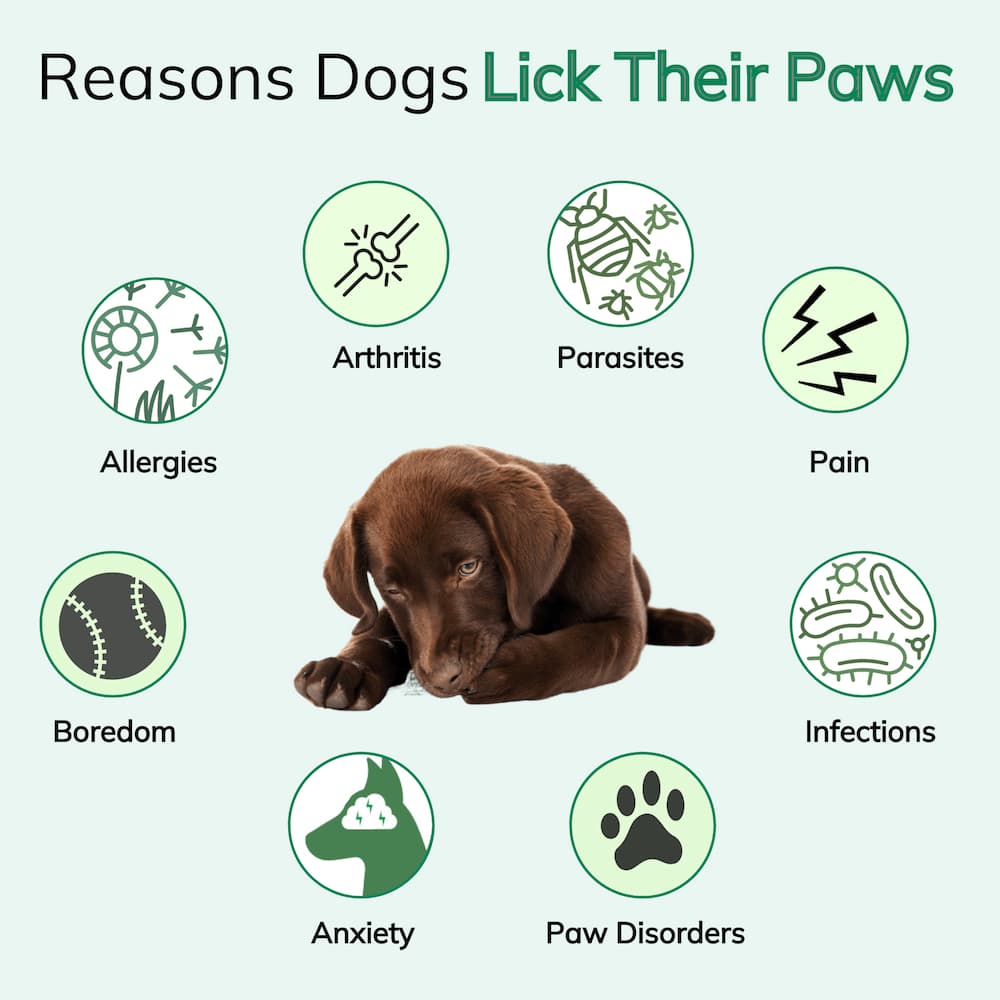
Medical issues are often at the core of persistent paw licking. Allergies are among the most prevalent culprits, encompassing food allergies, environmental allergens like pollen, mold, or dust mites, and contact allergies from certain cleaning products, plants, or chemicals. When a dog’s immune system reacts to these external or internal allergens, it often results in itchy, inflamed skin, prompting the dog to lick, chew, or bite at their paws to alleviate discomfort. Identifying and managing allergies can require a comprehensive approach, including dietary changes, environmental control, and sometimes medication.
Another common medical cause is skin infections, such as bacterial or yeast infections, which frequently develop in the paws due to moisture, cuts, or underlying allergies. These infections often cause itching, redness, swelling, and sometimes a foul odor. Dogs with compromised immune systems or those with underlying skin conditions are more susceptible. If paw licking is accompanied by visible skin changes, hair loss, or foul smell, seeking veterinary care for proper diagnosis and treatment is essential. Veterinarians may perform skin scrapings, cultures, or allergy tests to pinpoint the exact cause.
Additionally, underlying health issues such as pain from joint problems or neurological disorders can lead to paw licking as a form of self-soothing. For example, dogs with arthritis might lick their paws to relieve discomfort or numbness. Certain nerve conditions can also cause abnormal sensations, prompting compulsive licking behaviors. It’s important to rule out these medical causes with a professional veterinary examination, especially if the licking is accompanied by other signs like limping, swelling, or behavioral changes. Early diagnosis and targeted treatment can significantly improve your dog’s quality of life.
Environmental and Behavioral Factors Contributing to Paw Licking
Beyond medical issues, environmental and behavioral factors play a significant role in why dogs might lick their paws excessively. Boredom and lack of mental stimulation are common contributors—dogs that don’t receive enough exercise or engaging activities tend to develop habits like paw licking as a way to pass the time. Providing toys, puzzle feeders, and regular walks can help redirect their energy into more constructive behaviors, reducing the urge to lick. Social interaction and training also play a vital role in keeping your dog mentally satisfied and less prone to compulsive behaviors.
Stress and anxiety are frequently overlooked causes of paw licking. Changes in routine, loud noises, separation anxiety, or new household members can make dogs feel uneasy and manifest their stress through self-grooming behaviors. Also, some dogs develop obsessive-compulsive behaviors, including persistent paw licking, as a response to environmental triggers. Creating a calm, predictable environment and using positive reinforcement techniques can alleviate these issues. In some cases, calming aids like pheromone diffusers or anxiety wraps can provide additional support.
Environmental irritants such as chemicals, cleaning agents, or allergens in the home can also cause paw irritation, prompting dogs to lick their paws to soothe itchy or inflamed skin. Grass, pollen, or chemicals used on lawns and sidewalks can lead to contact dermatitis. Regularly rinsing your dog’s paws after walks, avoiding exposure to known irritants, and using non-toxic cleaning products can help reduce these environmental triggers. Recognizing and minimizing environmental stressors or irritants is a vital part of managing excessive paw licking behavior.
Effective Diagnosis and Treatment Strategies for Paw Licking
Diagnosing the root cause of your dog’s paw licking typically starts with a thorough veterinary examination. The veterinarian will inspect the paws for signs of redness, swelling, cuts, or foreign objects. They may perform skin scrapings, allergy testing, or cultures to identify infections or allergies. Blood tests can also help detect underlying health issues that contribute to skin problems. A detailed history—including diet, environment, behavior, and grooming habits—helps create a comprehensive picture for accurate diagnosis.
Once the cause is identified, treatment strategies vary accordingly. For allergies, your vet might recommend hypoallergenic diets, antihistamines, or corticosteroids to manage inflammation and itching. Skin infections often require topical or systemic antibiotics or antifungal medications. For behavioral or environmental causes, modifying the environment, increasing mental stimulation, or addressing underlying stressors can significantly reduce paw licking. In cases of anxiety, behavioral therapy or calming aids may be recommended to help your dog feel more secure and less inclined to lick obsessively.
Beyond medication, practical management techniques can be highly effective. Regular paw inspections and cleaning can prevent irritation from dirt or chemicals. Providing favorite toys and engaging activities helps reduce boredom-induced licking. Protective booties or socks can shield irritated paws and prevent further injury. If obsessive licking persists despite these interventions, consulting a veterinary behaviorist or a professional trainer might be necessary to develop tailored strategies to modify your dog’s behavior and ensure long-term relief.
Preventative Measures and Tips to Reduce Paw Licking in Dogs
Prevention is always better than cure, and there are several proactive steps you can take to minimize your dog’s excessive paw licking. Regular grooming and inspection of your dog’s paws help catch early signs of irritation, cuts, or foreign objects lodged between the toes. Using gentle, pet-safe wipes to clean their paws after walks can remove allergens, dirt, and chemicals that might cause irritation. Keeping your living environment clean and free of potential irritants, such as harsh cleaning products or toxic plants, also plays a crucial role.
Creating a stimulating environment that prevents boredom is a simple yet effective way to reduce compulsive behaviors like paw licking. Incorporate interactive toys, puzzle feeders, and daily exercise routines designed to tire your dog out mentally and physically. Training sessions that focus on redirecting attention away from licking—using commands like “leave it” or “sit”—can also help break the cycle. Consistent routine and positive reinforcement foster a sense of security, decreasing anxiety-driven licking behavior.
Finally, managing environmental allergies and irritants can prevent many skin-related issues. Use non-toxic or fragrance-free cleaning products at home, and wash your dog’s bedding regularly to reduce dust, mold, or pet dander exposure. During high pollen seasons, wiping your dog’s paws before they come inside can prevent allergen buildup. Regular veterinary check-ups and open communication about any changes in your dog’s behavior or health ensure that potential issues are caught early and managed effectively. By combining these preventative measures, pet owners can help keep their dogs comfortable, healthy, and free from excessive paw licking.
Conclusion
Persistent paw licking in dogs can stem from various causes—medical conditions like allergies and infections, environmental irritants, or behavioral issues such as boredom and anxiety. Recognizing whether your dog’s behavior is normal grooming or a potential health concern is the first step toward effective treatment. A thorough veterinary diagnosis is crucial for identifying underlying medical causes, while environmental management and behavioral interventions can significantly reduce compulsive licking. Implementing preventative measures like regular paw inspections, environmental modifications, and enrichment activities can help keep your dog comfortable and healthy in the long run.
If your dog’s paw licking persists or worsens, don’t hesitate to seek professional veterinary advice. Addressing the root causes promptly not only alleviates discomfort but also helps prevent more serious health issues down the line. With patience, proper care, and awareness, you can ensure your furry friend remains happy, healthy, and free from the frustration of constant paw licking.