

How to Manage Your Pet’s Grooming During the Heat Season for Their Comfort
As summer approaches or the heat intensifies, pet owners often find themselves concerned about their furry friends’ comfort and health. The heat season can significantly impact your pet’s grooming needs, making it essential to adapt your routine to ensure they stay cool, healthy, and happy. Proper grooming during hot weather isn’t just about keeping your pet looking good—it plays a vital role in preventing heat-related illnesses, skin issues, and discomfort. In this article, we’ll explore how to effectively manage your pet’s grooming during the heat season, with practical tips and expert advice to help you keep your pets comfortable and safe.
Understanding the Impact of Heat Season on Your Pet’s Grooming Needs
The summer months or periods of high temperature can alter your pet’s grooming requirements dramatically. Pets with thick, double coats like Huskies or Malamutes often experience more discomfort in the heat because their dense fur traps heat close to the skin. Conversely, some breeds with shorter hair may still suffer if their grooming isn’t appropriately managed. The key is understanding how heat affects your pet’s skin and coat, and adjusting grooming routines accordingly.
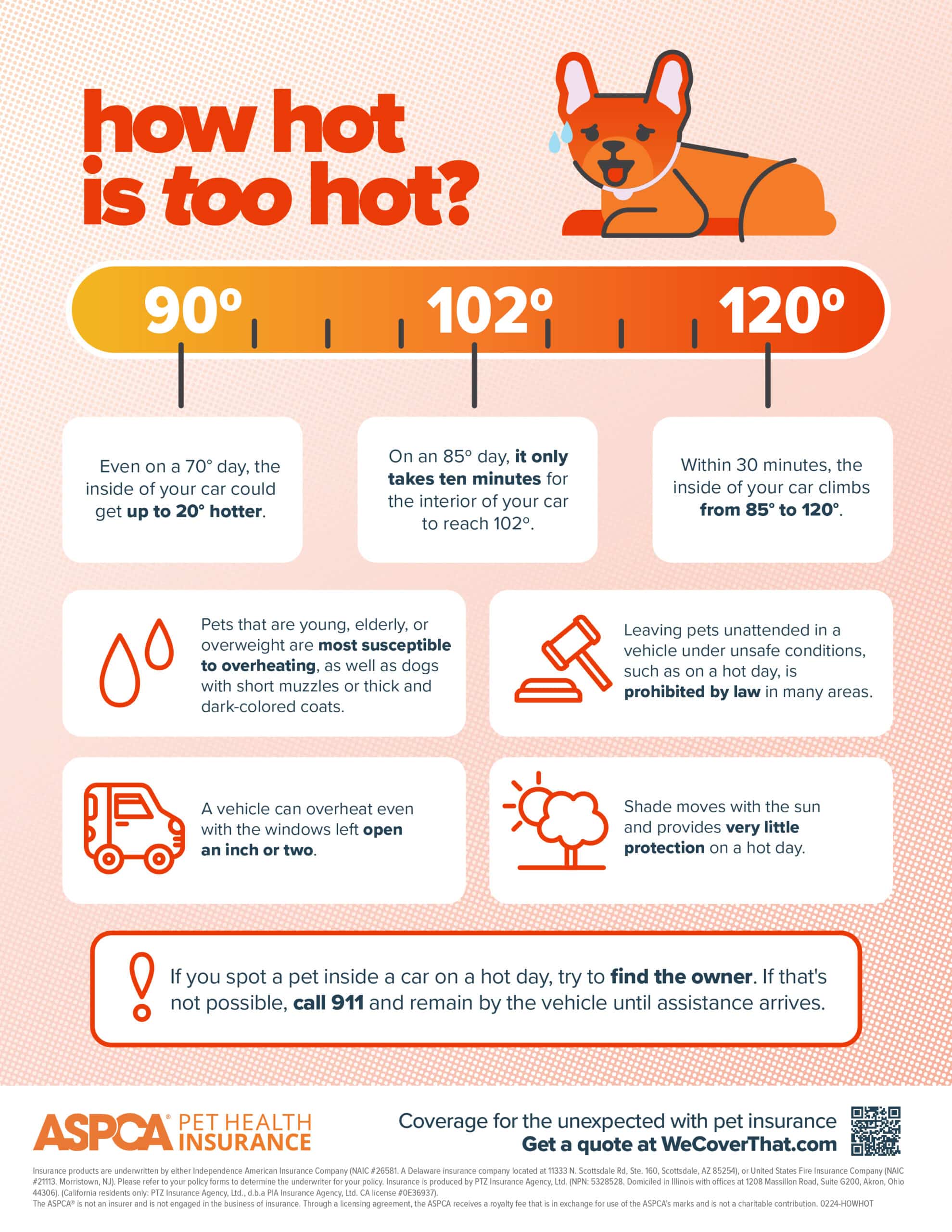
High temperatures can lead to increased shedding and matting, which in turn can trap heat and moisture against the skin, fostering skin problems like hot spots or infections. Overgrown hair can also hinder proper airflow and cooling, leading to overheating. Additionally, excessive dander and oil build-up can exacerbate skin irritations, especially when combined with the sun’s UV rays. Recognizing signs of heat stress—such as excessive panting, drooling, lethargy, or discomfort—is crucial, and good grooming is one of the best ways to minimize these risks.
It’s also worth noting that grooming needs vary depending on your pet’s breed, age, and health status. Older or health-compromised pets might require more frequent grooming to prevent overheating and maintain skin health. Understanding these nuances allows you to tailor your grooming routine to best suit your pet’s individual needs during the heat season, ensuring they stay comfortable and protected.
Selecting Appropriate Grooming Techniques for Hot Weather Conditions
Choosing the right grooming techniques during the heat season is essential for keeping your pet cool and comfortable. For many breeds, trimming or thinning out excess fur can help improve airflow and reduce heat retention. However, it’s important to avoid shaving your pet completely, especially with double-coated breeds, as this can disturb their natural insulation and lead to other skin issues. Instead, opt for a “lion cut” or trimming that leaves enough coat to protect their skin from sunburn and irritation.
Using proper grooming tools is equally important. Sharp, high-quality grooming scissors or clippers designed for pet hair allow for precise trimming without causing discomfort. Regular brushing helps remove loose hair, dirt, and debris that can trap heat and moisture. For long-haired breeds, daily brushing during the hot months is recommended to prevent matting and improve airflow to the skin. In addition, consider de-matting treatments or professional grooming sessions if your pet’s coat has become tangled or thickened.
When grooming in hot weather, pay special attention to areas where heat can accumulate, such as the ears, paws, and under the belly. Trimming hair around these zones can help prevent matting and prevent heat buildup. Remember to be gentle and patient, especially with pets unfamiliar with grooming, and always use pet-safe grooming products. Correct technique combined with appropriate tools ensures your pet remains comfortable and well-groomed throughout the hot season.
Tips for Maintaining Pet Skin and Coat Health During Heat
Proper grooming isn’t just about appearance—it’s crucial for maintaining your pet’s skin and coat health during the heat season. Regular baths with mild, pet-specific shampoos help remove excess oils, dirt, and allergens that can cause skin irritation or infections. Be cautious not to over-bathe, as excessive washing can strip natural oils and lead to dry, flaky skin, which makes pets more prone to discomfort.
Hydration plays a vital role in skin health, so ensure your pet has constant access to fresh water. A well-hydrated pet’s skin remains supple and better equipped to regulate temperature. Incorporate omega-3 fatty acids into your pet’s diet, either through supplements or food, as these promote a shiny coat and healthy skin. Also, consider adding moisturizing sprays or conditioners designed for pets to soothe and protect their skin from the sun’s harsh rays.
Monitoring your pet’s skin regularly for signs of irritation, hot spots, or unusual dryness is essential. During grooming, check for any abnormalities, redness, swelling, or parasites like fleas and ticks, which tend to be more active in warmer months. Maintaining a healthy coat through consistent grooming, proper diet, and hydration keeps your pet comfortable and reduces the risk of heat-induced skin issues or infections.
Preventing Heat-Related Discomfort and Skin Issues Through Proper Grooming
Heat-related discomfort can escalate quickly if not properly managed. Grooming plays a pivotal role in preventing conditions such as heat exhaustion, heat stroke, and skin infections. Regularly trimming long or dense coats helps improve heat dissipation, but always balance this with the need to protect your pet’s skin from sunburn. Applying pet-safe sunscreen on exposed areas like the nose, ears, and belly is recommended if your pet spends time outdoors.
Keeping your pet’s ears clean and dry is also vital, as moisture accumulation can lead to infections—especially during the hot and humid months. Regular inspection during grooming sessions allows you to detect early signs of skin irritation, parasites, or infections, enabling prompt treatment. Additionally, ensuring your pet’s bedding and resting areas are cool, clean, and well-ventilated helps prevent skin irritation and provides a comfortable environment.
Avoid grooming or bathing during the peak heat of the day, as this can cause additional stress or heat retention. Instead, opt for early morning or late evening grooming sessions. Incorporate cooling accessories like damp cloths, cooling mats, or vests during outdoor activities to help regulate your pet’s temperature. Proper grooming combined with environmental management is key to preventing heat-related health issues and ensuring your pet remains comfortable during the hot season.
Best Practices for Managing Shedding and Haircuts in Warm Months
Managing shedding effectively during warm months is a common concern for pet owners, especially those with long-haired or double-coated breeds. Regular brushing helps remove loose fur and reduce hair around the house, preventing matting and promoting better airflow to the skin. For breeds prone to heavy shedding, investing in deshedding tools or visiting a professional groomer can make a significant difference in maintaining a manageable coat.
When considering haircuts, focus on styles that enhance your pet’s comfort while respecting their breed characteristics. Shorter trims or “summer cuts” can drastically improve heat tolerance, but avoid shaving the coat too close or completely, as this could impair their ability to insulate from sunburn or temperature fluctuations. Discuss with professional groomers to find a balanced style that keeps your pet cool without compromising skin health.
Remember, seasonal shedding can vary from pet to pet, so stay attentive to their needs. Regular grooming sessions that include trimming, brushing, and inspection help manage hair and prevent mats or skin irritations. Also, consider using grooming products with cooling properties or natural ingredients that soothe the skin. Proper management of shedding and haircuts during the warm months ensures your pet stays comfortable, healthy, and happy as the seasons change.
Conclusion: Keep Your Pets Cool, Comfortable, and Healthy This Summer
Managing your pet’s grooming during the heat season is more than just an aesthetic choice—it’s a vital aspect of their health and well-being. Understanding how heat impacts your pet’s coat and skin helps you tailor grooming routines to prevent overheating, skin issues, and discomfort. Selecting appropriate techniques, such as trimming and brushing, along with maintaining skin health through hydration and regular checks, can make a significant difference.
Prevention is always better than cure, so adopting good grooming practices—like early-morning or late-evening sessions, using cooling accessories, and avoiding over-bathing—will help your pet stay comfortable during the hottest months. Remember, each pet’s needs are unique, so adapt your approach based on breed, coat type, and individual health. With proper care and attention, you’ll ensure your furry friend remains happy, healthy, and cool all summer long.
By staying informed and proactive, you’re not only enhancing your pet’s comfort but also strengthening the bond you share. So, get ready to give your pet the grooming care they deserve—because a comfortable pet is a happy pet.