


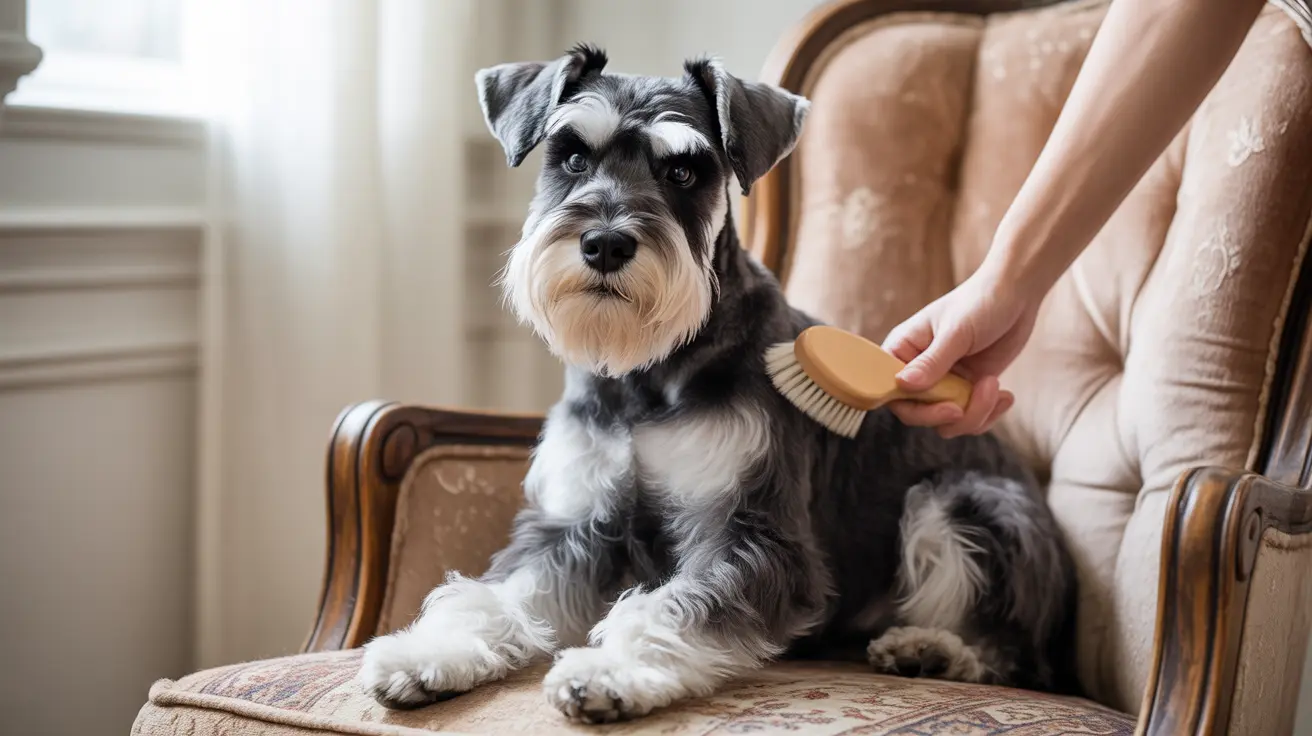
How to Properly Handle Beard Grooming in Terriers for a Clean, Healthy Look
If you’re a proud Terrier owner, you already know that these energetic, lively dogs come with a lot of charm and personality. But one aspect that often requires special attention is their beard. Terrier beards—not only add to their adorable appearance but also play a role in their overall health and comfort. Proper beard grooming isn’t just about keeping your pup looking sharp; it’s essential for their hygiene, preventing infections, and ensuring they feel comfortable day in and day out.
In this article, we’ll explore everything you need to know about maintaining your Terrier’s beard hair—from understanding their unique grooming needs to mastering the best techniques. Whether you’re new to Terrier grooming or looking to improve your current routine, this comprehensive guide provides practical advice, expert tips, and solutions to common challenges. Let’s dive into how you can keep your Terrier’s beard clean, healthy, and looking fantastic!
Understanding Terriers’ Beard Hair and Grooming Needs
Terriers are a diverse group, with many breeds sporting distinctive facial hair that can range from soft and silky to wiry and coarse. Their beards often grow around the mouth, chin, and cheeks, serving as a characteristic feature that adds to their expressive faces. However, this facial hair is prone to trapping dirt, food particles, and bacteria, which makes consistent grooming a must.
The grooming needs of a Terrier’s beard depend largely on the breed and coat type. For example, breeds like the Border Terrier or Irish Terrier have wiry, dense beards that can mat or tangle if left untrimmed. Conversely, softer-coated breeds like the Bedlington require gentle maintenance to avoid skin irritation. Regular inspection is key—look for mats, debris, or signs of skin irritation, especially around the mouth area. Also, consider the dog’s lifestyle; active Terriers that spend a lot of time outdoors might need more frequent grooming due to dirt accumulation.
Another important factor is hygiene. Beards can harbor bacteria or yeast if not properly cleaned, potentially leading to bad odor or infections. Dirt and food particles can also cause discomfort and skin issues if they’re left to accumulate. Grooming routines should be tailored to your specific Terrier’s needs—some may need daily cleaning and trimming, while others do well with weekly upkeep. Understanding these nuances helps you develop a grooming schedule that keeps your dog comfortable and looking their best.
Essential Tools and Products for Terrier Beard Maintenance
Getting the right tools is fundamental to efficient and safe beard grooming. First, invest in a good quality slicker brush or a pin brush, which helps detangle and remove loose hair without causing discomfort. For wiry coats, a rake brush can be effective in reaching deeper mats and preventing painful tangles. A pair of rounded-tip scissors is invaluable for precise trimming around sensitive areas like the mouth and chin, ensuring you don’t accidentally cut the skin.
In addition, grooming clippers with adjustable blades can be used for more extensive trims, especially if your Terrier’s beard has grown longer or uneven. For daily cleaning, a damp cloth or puppy wipes designed for face cleaning can be gentle on the skin and effective at removing dirt and debris. A mild, dog-specific shampoo and conditioner are also essential; look for products formulated for sensitive skin to avoid irritation. For stubborn dirt or food stains, a soft toothbrush or a fine-nosed comb can help loosen particles without damaging the hair.
Finally, consider using grooming sprays or finishing oils that add shine and help keep the beard hair soft and manageable. These products can also detangle hair and reduce static, making grooming sessions smoother. Remember, quality tools and products not only make grooming easier but also ensure your Terrier’s delicate facial skin and hair are protected. Regularly cleaning and replacing your tools is equally important to maintain hygiene and effectiveness.
Step-by-Step Guide to Proper Beard Grooming Techniques
Mastering the correct grooming techniques can turn a chore into a bonding experience with your Terrier. Start by gently brushing the beard to remove loose hair and detangle any knots. Use slow, gentle strokes, especially around sensitive areas, to prevent discomfort or skin irritation. If you notice mats or tangles, work them out carefully with a fine-toothed comb or a detangling spray before proceeding with trimming.
Next, examine your Terrier’s beard closely to identify areas requiring trimming. Using your scissors or clippers, carefully trim any overgrown hair, focusing on shaping the beard to match your dog’s face. Be cautious around the mouth and nose, where skin is thinner and more sensitive. Trim in small sections and avoid pulling or tugging—cutting too much can lead to uneven results or accidental cuts. It’s better to trim gradually, checking your work frequently for symmetry and comfort.
Once you’ve trimmed and shaped the beard, clean the area thoroughly. Wipe down with a damp cloth or dog wipe to remove any loose hairs, dirt, or residual grooming product. If your Terrier has food stains or stubborn dirt, you might need to use a gentle, damp toothbrush for targeted cleaning. Finish the grooming session by inspecting your work and checking for any signs of irritation or missing patches. Regular maintenance, combined with patience and gentle handling, will keep your Terrier’s beard looking neat, healthy, and comfortable.
Common Beard Grooming Challenges and How to Address Them
One of the biggest challenges in beard grooming is dealing with mats and tangles, especially in breeds with wiry or long beards. Mats can cause discomfort, skin irritation, and even infections if left unaddressed. To prevent this, regular brushing with a suitable tool and prompt detangling of any knots is critical. If a mat is stubborn, use scissors to carefully cut it out—never pull or tug, as this can hurt your dog. Applying a detangling spray beforehand can make the process easier and less stressful.
Food and dirt buildup is another common issue. Beards often trap crumbs, water, mud, and bacteria, leading to bad odors or infections like yeast dermatitis. Regular cleaning with a damp cloth or face wipes prevents this accumulation. For deeper cleaning, a gentle wash with a mild dog shampoo, followed by thorough rinsing, can help maintain hygiene. Ensure you dry the beard completely afterward to prevent dampness, which can encourage bacterial growth. Feeding your Terrier in designated, easy-to-clean areas can also reduce food-related messes.
Skin irritation and sensitivity are potential challenges, especially if you trim too close or use harsh products. Always opt for grooming tools with rounded tips and use gentle, dog-safe grooming products. If your Terrier shows signs of redness, itching, or swelling after grooming, review your technique and products immediately. Consulting a vet or professional groomer can provide personalized advice tailored to your dog’s skin and coat type, ensuring grooming remains a positive experience for both of you.
Tips for Regular Maintenance and Long-Term Beard Care
Consistency is key when it comes to keeping your Terrier’s beard healthy and attractive. Establishing a regular grooming schedule—whether daily, weekly, or bi-weekly—helps prevent matting, dirt buildup, and skin issues. Routine brushing not only keeps hair manageable but also promotes healthy skin by stimulating blood flow and distributing natural oils. Make grooming sessions a positive experience by using treats and gentle handling, turning it into quality bonding time.
Long-term beard care also involves monitoring for changes in your dog’s skin or hair condition. Regularly check for signs of irritation, dryness, or unusual hair loss, and address problems promptly. Keeping your grooming tools clean and sharp prevents skin damage and ensures effective detangling and trimming. Additionally, providing a balanced diet rich in omega fatty acids supports healthy coat growth and sheen, contributing to a more manageable beard.
Lastly, visiting a professional groomer periodically can be invaluable, especially for intricate trims or if your Terrier has particularly challenging hair. They can help shape the beard, address problem areas, and give you expert advice tailored to your dog’s specific needs. Remember, long-term grooming isn’t just about aesthetics—it’s about maintaining your Terrier’s overall health, comfort, and happiness.
Conclusion
Proper beard grooming is an essential part of maintaining a clean, healthy, and happy Terrier. From understanding their unique grooming needs to using the right tools and techniques, every step plays a vital role in keeping their facial hair tidy and free from discomfort. Regular maintenance, consistency, and gentle handling will help prevent common challenges like mats, dirt buildup, and skin irritation, ensuring your dog’s beard remains a source of pride.
By investing time in proper grooming routines and possibly seeking professional advice when needed, you’ll not only enhance your Terrier’s appearance but also strengthen the bond you share. Remember, a well-groomed beard isn’t just about looks; it’s a reflection of your dog’s overall health and well-being. Keep these tips in mind, and enjoy the rewarding experience of caring for your lively, lovable Terrier!