


The Ultimate Grooming Guide for Outdoor Dogs: Tips for a Healthy Coat
Caring for an outdoor dog comes with its own set of challenges—and rewards. These furry friends spend much of their time in fresh air, dirt, and sometimes unpredictable weather, which can take a toll on their coat health and overall hygiene. Proper grooming isn’t just about keeping your dog looking good; it’s essential for their comfort, health, and happiness. If you’ve ever wondered how to tailor your grooming routine for an outdoor pup, you’re in the right place. This comprehensive guide will walk you through understanding your dog’s unique grooming needs, selecting the right tools, establishing effective routines, and maintaining a healthy, shiny coat despite outdoor elements.
Whether you’re a seasoned dog owner or new to outdoor pet care, this guide aims to equip you with practical tips, expert insights, and actionable advice to keep your outdoor dog’s coat in top shape. Let’s dive into how you can adapt grooming practices to suit their lifestyle and environment, ensuring your furry friend stays comfortable, healthy, and looking their best.
Understanding the Unique Grooming Needs of Outdoor Dogs
Outdoor dogs face different environmental factors than indoor dogs, which directly influence their grooming requirements. Dirt, mud, outdoor allergens, and exposure to the elements like sun, wind, and rain can cause specific issues such as skin irritation, matting, and coat damage. Knowing these distinct needs helps you create a grooming routine that protects their skin and fur while accommodating their active outdoor lifestyle.
First, outdoor dogs often develop coats that are thicker or more weather-resistant, such as labradors, golden retrievers, or shepherds. These breeds’ coats are designed to withstand harsh conditions, but they also require regular maintenance to prevent matting and skin problems caused by debris and moisture trapped in the fur. Additionally, outdoor environments expose dogs to parasites like ticks and fleas, which can cause severe skin irritation if not managed proactively. Regular grooming, including checks and cleaning, is vital for early detection and prevention of such issues.
Another consideration is the seasonal variation in grooming needs. In warmer months, shedding increases, and outdoor dogs may need more frequent brushing to remove loose hair and dirt. Conversely, during colder months, trimming or grooming may focus on maintaining a manageable coat that insulates without matting. Understanding your specific dog’s breed, environment, and activity level is essential to developing an effective grooming plan that keeps their coat healthy and resilient all year round.
Adapting Grooming Routines for Different Dog Breeds
Different dog breeds have unique coat types and grooming requirements, especially for outdoor dogs. Whether they have short, dense, curly, or double coats, tailoring your grooming routine to their breed characteristics will ensure optimal coat health and comfort. For example, a short-haired Beagle’s grooming focus might be on regular brushing to remove dirt and loose hair, while a long-haired Collie needs more frequent brushing to prevent matting and debris buildup.
Breeds with double coats, like Siberian Huskies or Golden Retrievers, require specific attention to both the undercoat and top coat. During shedding seasons, a de-shedding tool can help remove loose underfur, reducing matting and preventing skin irritation. Curly-coated breeds, such as Poodles or Portuguese Water Dogs, need regular trimming to maintain coat health and prevent mats, especially when they spend lots of time outdoors where dirt can get tangled in curls. For hairless or short-haired breeds like the Chihuahua or Greyhound, routine cleaning and skin checks are vital since they’re more exposed to outdoor elements directly on their skin.
It’s also crucial to consider their activity level and environment. Active outdoor dogs that swim, run through bushes, or roll in the dirt need more frequent grooming sessions. Introducing a consistent routine that matches your dog’s breed and lifestyle ensures their coat remains healthy and free from common issues like skin infections, matting, or parasite infestations. Remember, a breed-specific grooming plan isn’t just about appearance—it’s about supporting your dog’s overall health and happiness in their outdoor habitat.
Essential Grooming Tools and Supplies for Outdoor Dogs
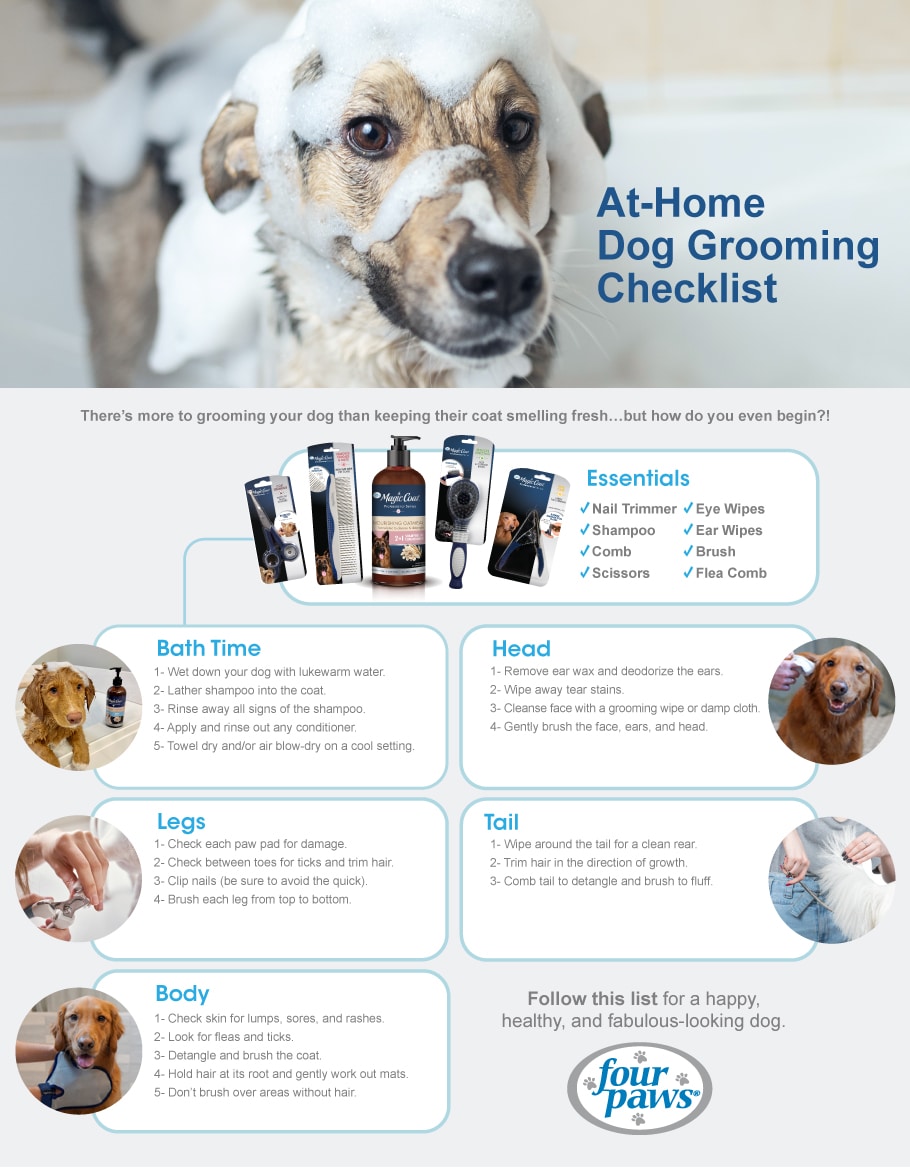
Having the right grooming tools makes all the difference in maintaining an outdoor dog’s coat. The basics include a durable slicker brush for detangling and removing loose fur, a metal comb to get into tight spots, and a shedding blade for heavy hair loss periods. For waterproof or double-coated breeds, an undercoat rake can help remove trapped loose fur and prevent matting—keeping their coat manageable and healthy.
In addition to brushes and combs, invest in a high-quality dog shampoo formulated for outdoor dogs that can handle dirt, mud, and outdoor allergens without stripping natural oils. A gentle conditioner can also help soothe skin irritated by exposure or frequent bathing. For those who frequently get their dogs wet or dirty, a portable dog shower or hose attachment makes outdoor cleaning quick and efficient. Nail clippers, ear cleaning solutions, and tick/flea prevention products are also essential for comprehensive grooming and health maintenance.
Proper grooming supplies should be durable, weather-resistant, and easy to clean. Keep a dedicated grooming kit accessible outdoors or in a designated space, especially if your dog is active in muddy or humid environments. Regularly replacing worn-out tools ensures effective grooming and minimizes discomfort for your dog. Remember, investing in quality grooming equipment not only improves the health of your dog’s coat but also makes the grooming process more enjoyable for both of you.
Step-by-Step Guide to Bathing and Brushing Outdoors
Establishing a consistent bathing and brushing routine is key to maintaining your outdoor dog’s coat and skin health. Start with brushing: before a bath, thoroughly brush your dog to remove loose fur, dirt, and tangles. This minimizes the risk of mats forming during bathing and prepares the coat for cleaning. Use appropriate brushes for your dog’s coat type—slicker brushes for fine hair, undercoat rakes for double coats, or grooming combs for curly fur. Regular brushing, ideally several times a week, reduces shedding and prevents dirt buildup, which can cause skin irritation.
When it’s time for a bath, choose a well-ventilated outdoor space equipped with a garden hose or portable shower. Wet the coat thoroughly with lukewarm water, then apply a dog-specific shampoo, lathering gently to avoid skin irritation. Pay attention to often-missed areas such as behind the ears, underbelly, and between toes. Rinse thoroughly to remove all shampoo residue, which can cause itching or dryness if left behind. Consider using a conditioner for extra coat hydration, especially if your dog has a thick or curly coat prone to dryness.
After bathing, towel dry your dog and use a blow dryer on a cool setting if they tolerate it—this helps prevent dampness that can lead to skin infections. Once dry, finish with a thorough brushing to smooth the coat and remove any remaining loose hair or dirt. Establishing a routine of regular brushing and bathing—adjusted to your dog’s breed, activity level, and outdoor exposure—will promote a shiny, healthy coat and reduce skin problems caused by dirt, parasites, or environmental stressors.
Maintaining Coat Health and Preventing Skin Issues in Outdoor Environments
Keeping your outdoor dog’s coat healthy involves a proactive approach to grooming, diet, and outdoor living conditions. Regular grooming not only prevents matting and dirt accumulation but also allows early detection of skin issues like hotspots, parasites, or infections. Incorporate routine skin checks into your grooming sessions, looking for redness, swelling, unusual bumps, or signs of parasites such as ticks and fleas. Addressing minor issues early can prevent more serious health problems down the line.
Nutrition plays a crucial role in coat health. A balanced diet rich in omega-3 and omega-6 fatty acids supports a shiny, resilient coat and healthy skin. Consult your veterinarian for recommendations on supplements or specific dog foods that promote skin and coat strength, especially if your outdoor dog is prone to dryness or allergies. Providing plenty of fresh water also helps maintain hydration, which is vital for skin health, particularly in hot or humid environments.
Lastly, environmental management is key. Regularly clean your dog’s bedding, outdoor shelter, and play areas to reduce exposure to dirt, mold, and pests. Use natural repellents or tick-preventive treatments as recommended by your vet to keep parasites at bay. The combination of proper grooming, nutritious diet, and a clean environment will ensure your outdoor dog’s coat stays healthy, shiny, and free from common skin issues. Remember, a well-maintained coat reflects a happy, healthy dog that’s ready for outdoor adventures.
Conclusion
Caring for an outdoor dog’s coat is a rewarding task that requires understanding their unique needs, selecting the right tools, and sticking to a consistent grooming routine. The outdoor environment presents specific challenges—dirt, weather, parasites—that can impact your dog’s coat health, but with proper care, these obstacles can be effectively managed. Tailoring grooming routines to your dog’s breed and lifestyle, using quality equipment, and maintaining a healthy diet are all essential steps toward a shiny, healthy coat.
Remember, grooming isn’t just about appearance—it’s a vital part of your dog’s overall health and happiness. Regular checks for skin issues, early parasite prevention, and environmental cleanliness all contribute to a thriving outdoor companion. Take the time to develop a grooming routine suited to your dog, and you’ll enjoy a stronger bond, healthier coat, and a happier outdoor adventure buddy. Your efforts will pay off in a well-groomed, comfortable, and healthy furry friend who loves spending time outdoors just as much as you do!