


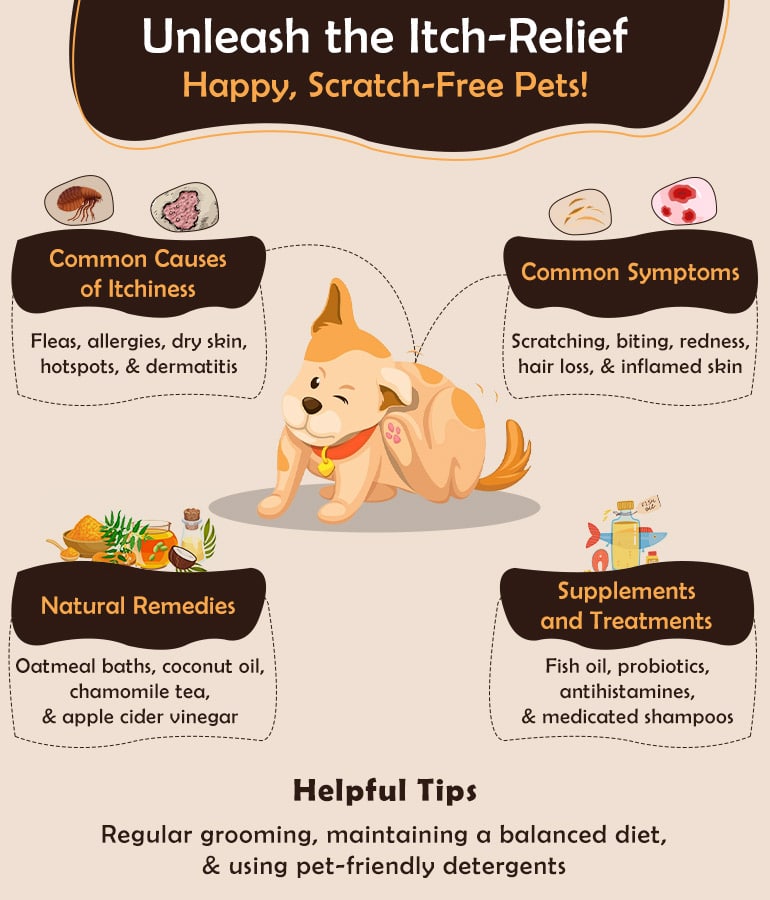
How to Care for Dogs with Itchy Fur During Winter: Tips for Comfort and Relief
Winter can be a beautiful season filled with snow, festive cheer, and cozy nights. However, for many dog owners, it’s also a time when their furry friends may experience discomfort due to itchy skin and fur. Cold temperatures, dry air, and indoor heating can all contribute to skin irritations, making your dog restless and uncomfortable. If your canine companion is scratching more than usual or showing signs of irritated skin during winter, understanding the causes and learning effective care tips can make a world of difference.
In this article, we’ll explore how to care for dogs with itchy fur during winter, offering practical advice on understanding the causes, establishing effective skin care routines, trying remedies, and knowing when to seek veterinary help. Our goal is to help your dog stay comfortable, healthy, and itch-free throughout the cold months.
Understanding the Causes of Itchy Fur in Dogs During Winter
Dry Skin and Reduced Humidity
One of the primary reasons dogs develop itchy skin during winter is the reduction in ambient humidity. Indoor heating systems tend to dry out the air, which strips moisture from your dog’s skin and coat. This leads to dryness, flakiness, and itchiness. Dogs with thick or double coats are especially prone because their fur can trap dry air close to the skin, exacerbating irritation. Seasonal factors like lower temperatures also cause natural oil production to decrease, leaving the skin vulnerable to dryness.
Allergies and Skin Conditions
Winter doesn’t necessarily mean the absence of allergies. Dogs can develop sensitivities to certain ingredients in their food, grooming products, or environmental allergens such as dust mites and mold that thrive indoors. Some dogs also suffer from underlying skin conditions like dermatitis, seborrhea, or atopic dermatitis, which can flare up or worsen during winter. These conditions often cause persistent itching, redness, and sometimes secondary infections if not properly managed.
Parasitic Infestations and Other Health Issues
Although fleas are less active in cold weather, ticks and mites can still cause skin irritations in winter. Parasites can lead to intense itching, hair loss, and skin inflammation. Additionally, certain health issues like hypothyroidism or hormonal imbalances can manifest as itchy skin, which may become more noticeable during colder months. It’s essential to identify whether external parasites or underlying health conditions could be contributing to your dog’s discomfort.
Understanding these causes helps pet owners take targeted steps to reduce itching and improve their dog’s quality of life during winter. A combination of environmental management, proper nutrition, and regular health checks can make a significant difference.
Effective Winter Skin Care Routines for Dogs with Itchy Fur
Maintain a Consistent Bathing Schedule with Gentle Products
Regular bathing helps remove dirt, allergens, and excess oils that can contribute to skin irritation. During winter, opt for gentle, hypoallergenic, and moisturizing shampoos designed specifically for dogs with dry or sensitive skin. Avoid overly frequent baths, which can strip natural oils and worsen dryness; typically, once every 4-6 weeks is sufficient unless your veterinarian recommends otherwise. After bathing, thoroughly rinse out all shampoo to prevent residue that could irritate the skin and ensure your dog is dried properly with a soft towel or warm air dryer.
Enhance Skin Hydration with Conditioners and Oils
Post-bath conditioning treatments can restore moisture and soothe irritated skin. Look for products containing ingredients like oatmeal, aloe vera, vitamin E, or coconut oil, which are known for their skin-soothing properties. Applying a dog-safe moisturizer or topical oil regularly can help lock in moisture. For instance, coconut oil not only hydrates but also has antimicrobial benefits that can prevent secondary infections. Always consult your vet before introducing new topical products to ensure they’re suitable for your dog’s specific needs.
Create a Humidified Environment and Use Protective Gear
Using a humidifier in your home helps maintain optimal humidity levels, preventing your dog’s skin from drying out. Place the humidifier in the main living area or where your dog spends most of their time. Additionally, protective gear such as dog sweaters or jackets can shield their fur from harsh winter elements and reduce exposure to cold air that can worsen itchiness. Regularly grooming your dog to remove loose fur and dirt also promotes healthy skin circulation, reducing the chances of irritation and discomfort.
Following a consistent winter skin care routine tailored to your dog’s specific condition can significantly alleviate itching and promote healthier, more comfortable fur during the colder months.
Top Remedies and Treatments for Relieving Winter Itchiness in Dogs
Natural Remedies and Topical Treatments
Many dog owners find relief using natural remedies that soothe itchy skin. Coconut oil applied directly to affected areas can provide immediate hydration and antimicrobial benefits. Oatmeal baths are another popular remedy; finely ground oatmeal added to lukewarm water can calm inflamed skin and reduce itching. Aloe vera gel, when applied topically, can also ease irritation and promote healing. Always choose products specifically formulated for dogs and avoid human-grade remedies that might be toxic to pets.
Nutritional Support and Dietary Supplements
Ensuring your dog’s diet supports skin health is crucial during winter. Incorporate omega-3 fatty acids, such as those found in fish oil supplements, which have anti-inflammatory properties and promote a healthy coat. Supplements containing biotin, zinc, and vitamins A, D, and E can support skin repair and reduce dryness. A balanced diet rich in these nutrients helps strengthen the skin barrier, making it more resistant to environmental stressors. Consult your veterinarian for personalized supplement recommendations suited to your dog’s breed, age, and health status.
Veterinary Treatments and Medications
If your dog’s itching persists despite home remedies, it’s essential to consult a veterinarian. They might prescribe medicated shampoos, topical corticosteroids, or antihistamines to control inflammation and allergic reactions. In some cases, your vet may recommend allergy testing or prescribe immune-modulating medications for chronic skin conditions. For secondary infections caused by scratching or skin trauma, antibiotics or antifungal medications might be necessary. Always follow your vet’s guidance to ensure safe and effective relief.
Applying these remedies and treatments thoughtfully can significantly improve your dog’s comfort and help maintain a healthy coat during winter’s challenges.
Preventive Measures to Protect Dogs from Winter Skin Issues
Regular Grooming and Coat Maintenance
Frequent grooming is key to maintaining healthy fur and preventing winter skin problems. Brushing your dog regularly removes loose fur, dirt, and debris that can irritate the skin. It also stimulates natural oil production, which is vital for keeping the coat and skin moisturized. Use a grooming brush suitable for your dog’s coat type, and pay special attention to areas prone to dryness or irritation. Trimming long fur can reduce matting and trap less moisture, decreasing the risk of skin infections.
Optimal Indoor Environment Control
Managing your home environment can prevent excessive dryness. Use humidifiers to maintain humidity levels between 40-60%, especially if your heating system dries out the air. Avoid exposing your dog to direct drafts from windows or heaters, which can cause localized dryness and discomfort. Also, choose dog-friendly, fragrance-free cleaning and grooming products to minimize potential irritants. Providing a warm, cozy space with soft bedding can help your dog relax and reduce stress-related skin issues.
Nutrition and Hydration Strategies
A well-balanced diet plays a vital role in preventing winter skin problems. Ensure your dog has constant access to fresh water, as hydration is essential for maintaining skin elasticity and moisture. Feeding high-quality food rich in omega-3 and omega-6 fatty acids supports a healthy coat and reduces inflammation. Supplements like fish oil or flaxseed oil can be added under veterinary supervision. Regularly monitoring your dog’s weight and avoiding excessive treats or table scraps also contribute to overall health, including skin health.
Proactive care—combining grooming, environmental management, and good nutrition—can go a long way in preventing winter-related skin issues and keeping your dog comfortable and itch-free.
When to Consult a Veterinarian for Persistent Itching in Dogs During Cold Months
If your dog’s itching persists despite implementing care routines, it’s crucial to seek professional advice. Chronic itchiness can be a sign of underlying health issues like allergies, infections, or hormonal imbalances that require targeted treatment. Watch for additional symptoms such as hair loss, redness, swelling, oozing sores, or behavioral signs like irritability and restlessness, which indicate that the problem might be more serious.
It’s particularly important to consult a veterinarian if your dog shows signs of secondary infections or if the itching causes significant discomfort or skin trauma. Your vet can perform skin scrapings, allergy testing, or blood work to identify the root cause. Proper diagnosis ensures your dog receives the most effective treatment, whether that involves medication, specialized diets, or further environmental adjustments. Prompt veterinary care can prevent worsening of the condition and promote faster healing.
Remember, persistent skin issues not only impact your dog’s comfort but can also lead to longer-term health complications if not addressed properly. Regular check-ups and open communication with your vet are essential for maintaining your dog’s skin health during winter and beyond.
Conclusion
Caring for a dog with itchy fur during winter requires a combination of understanding the underlying causes, establishing effective skin care routines, applying targeted remedies, and taking preventive measures. By maintaining proper grooming, controlling indoor environments, and supporting your dog’s nutritional needs, you can significantly reduce discomfort and promote healthy, itch-free fur. However, if symptoms persist or worsen, don’t hesitate to seek veterinary care—early intervention is key to ensuring your beloved pet stays comfortable and happy throughout the cold season.
Remember, your attentive care and proactive approach can turn winter from a season of discomfort into a cozy, enjoyable time for both you and your furry friend.