

How to Manage Your Dog’s Coat During Seasonal Allergies: Tips & Care
As pet owners, we want our furry friends to be happy, comfortable, and healthy all year round. However, seasonal allergies can pose a significant challenge, especially when it comes to maintaining a healthy coat. During certain times of the year—spring, summer, or fall—dogs can develop allergic reactions to pollen, mold, dust mites, and other environmental allergens. These reactions often lead to itching, inflammation, and skin irritations that can compromise the health and appearance of your dog’s coat.
In this article, we’ll explore how to effectively manage your dog’s coat during seasonal allergy periods. We’ll cover the importance of understanding seasonal dog allergies, choosing appropriate coat management products, proper application techniques, tips to enhance your dog’s comfort, and how to monitor and adjust your approach based on your dog’s responses. Whether you’re a new dog owner or an experienced pet parent, these practical insights will help you keep your dog looking and feeling their best despite allergy challenges.
Understanding Seasonal Dog Allergies and Their Impact on Coat Health
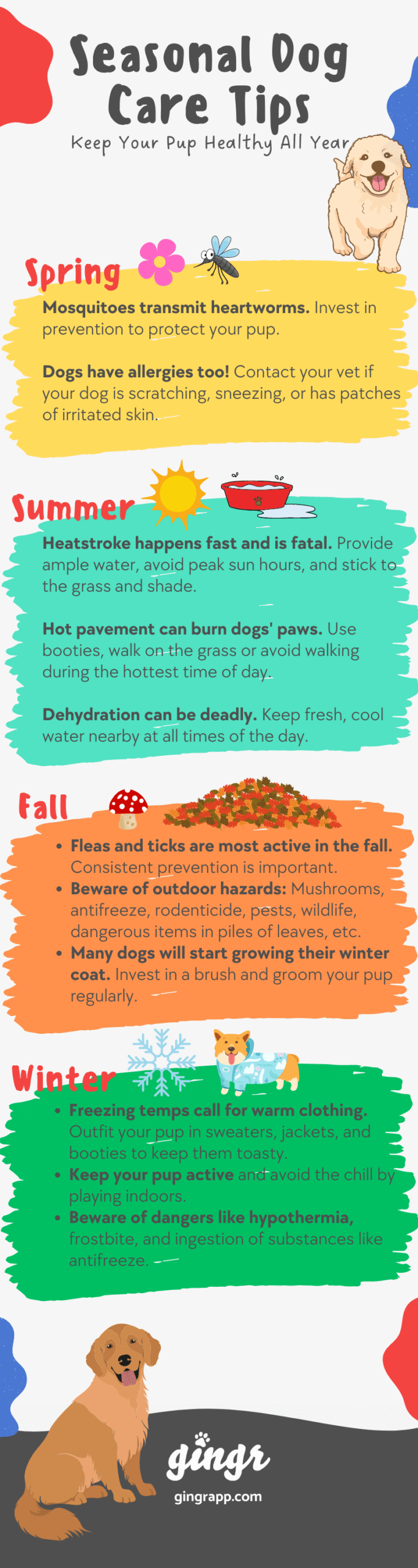
Seasonal allergies in dogs are immune system responses to environmental allergens, such as pollen from trees, grasses, or weeds. These allergies typically manifest during specific times of the year when certain plants are in bloom, causing symptoms like itching, redness, swelling, and skin infections. Importantly, these allergic reactions can directly impact your dog’s coat health by damaging the skin’s protective barrier, leading to hair loss, matting, and dullness.
When your dog is exposed to allergens, their immune system releases chemicals like histamines, resulting in inflammation and irritation of the skin. This inflammation can cause excessive scratching, licking, and biting, which not only worsens skin irritation but also damages the coat. Over time, persistent allergies can lead to secondary bacterial or yeast infections, further compromising coat quality. Recognizing these signs early is crucial for preventing long-term coat damage and ensuring your dog’s comfort.
Environmental factors play a role in the severity of seasonal allergies. For example, areas with high pollen counts or dusty environments can exacerbate symptoms. It’s also important to note that some breeds are more susceptible to allergies due to their skin structure or genetic predispositions. Understanding these factors helps you better anticipate potential coat issues and tailor your management strategies accordingly. Regular veterinary check-ups are essential for diagnosing allergies and creating an effective plan to support your dog’s coat health during allergy seasons.
Selecting the Right Manage Coat for Dogs with Allergies
Choosing the appropriate coat management products is a vital step in caring for a dog with seasonal allergies. The goal is to select coats that minimize irritation, reduce allergen accumulation, and support skin health. Many pet owners opt for lightweight, breathable fabrics such as cotton or specialized hypoallergenic materials that do not trap moisture or allergens against the skin. These fabrics help prevent additional skin infections or irritation caused by trapped debris.
In addition to material, consider the design features of manage coats. Look for options that provide full coverage, particularly around sensitive areas like the belly, chest, and ears. This provides a physical barrier against pollen and dust while also preventing excessive licking or scratching. Some coats come with built-in mesh panels that promote airflow, reducing heat and humidity buildup that can worsen allergies. Also, adjustable straps and secure fastenings ensure a snug but comfortable fit, preventing the coat from slipping or causing chafing.
When selecting manage coats, always prioritize your dog’s size and comfort. Ill-fitting coats can cause more harm than good by rubbing against irritated skin or restricting movement. It’s advisable to measure your dog carefully and consult size charts provided by manufacturers. For dogs with severe allergies, specialty coats infused with soothing ingredients or anti-itch properties might offer additional relief. Remember, a well-chosen coat can serve as both a protective barrier and a comfort-enhancing tool during allergy seasons.
Proper Application and Maintenance of Manage Coat Products
Applying manage coats correctly is essential to maximize their protective benefits and avoid additional irritation. Before putting on the coat, ensure your dog’s skin is clean and dry, as moisture trapped under the coat can promote bacterial growth or worsen skin conditions. Use a gentle, hypoallergenic dog shampoo to cleanse the coat and skin, paying special attention to areas prone to irritation. After bathing, thoroughly dry your dog to prevent dampness that could trigger further skin issues.
When fitting the manage coat, double-check that it fits comfortably without being too tight or too loose. A snug fit helps prevent allergens from entering, but it should not restrict movement or cause discomfort. Regularly inspect the coat for signs of wear, tears, or dirt accumulation, especially after outdoor walks. Wash the coat frequently using a mild, pet-safe detergent to remove pollen, dust, and other allergens that can cling to the fabric. Avoid harsh chemicals or fabric softeners, which may irritate your dog’s sensitive skin.
Maintenance also involves monitoring your dog’s response to the coat. If your dog shows signs of discomfort, such as excessive scratching or rubbing, consider adjusting the fit or switching to a different material. Keep an eye on the skin beneath the coat for any signs of irritation or infections. During allergy seasons, it’s helpful to establish a routine of inspecting and cleaning the coat daily or after each outdoor activity. Proper application and upkeep of manage coats not only extend their lifespan but also contribute significantly to your dog’s comfort and skin health.
Tips for Enhancing Comfort and Reducing Allergic Reactions in Dogs
Beyond using manage coats, there are several additional steps you can take to enhance your dog’s comfort and minimize allergic reactions. Regular grooming is key—brushing your dog’s coat frequently helps remove pollen, dust, and loose hair that can harbor allergens. Using a gentle, hypoallergenic grooming spray or wipes can also help soothe irritated skin and remove surface allergens without stripping natural oils. Incorporating omega-3 fatty acids into your dog’s diet, through supplements or foods rich in these nutrients, can support skin barrier health and reduce inflammation caused by allergies.
Environmental management is equally important. Keep your home clean and dust-free by vacuuming regularly with a HEPA filter vacuum, washing your dog’s bedding frequently, and avoiding outdoor activities during peak pollen hours. Creating a designated "allergy-safe" zone in your home, where your dog can relax away from outdoor allergens, provides additional comfort. If your dog is particularly sensitive, consider using air purifiers to improve indoor air quality and reduce airborne allergens. These steps can significantly decrease your dog’s exposure and improve their overall coat and skin condition during allergy seasons.
Lastly, consult your veterinarian about allergy treatments that may include antihistamines, corticosteroids, or immunotherapy. These options can help control allergic responses and reduce the severity of skin reactions. Always coordinate with your vet before starting any medication or supplement, and follow their advice on managing your dog’s coat and skin health. Combining coat management with these holistic approaches ensures your dog remains comfortable, healthy, and stylish even during challenging allergy seasons.
Monitoring Allergic Responses and Adjusting Treatment Strategies
Effective coat and allergy management is an ongoing process that requires attentive observation and flexibility. Regularly monitor your dog for changes in behavior, skin condition, or coat quality. Signs of worsening allergies include increased scratching, redness, swelling, hair loss, or the appearance of secondary infections like hot spots. Documenting these symptoms can help you and your vet identify patterns and determine if your current management plan is working or needs adjustment.
Adjusting your treatment strategies may involve changing the type or frequency of coat applications, modifying grooming routines, or exploring additional medical options. For example, if your dog develops irritation from a particular coat material, switching to a hypoallergenic or different fabric may be necessary. Similarly, if allergy symptoms persist despite environmental controls, your veterinarian might recommend allergy testing or immunotherapy to identify specific allergens and tailor treatments accordingly.
It’s also important to remain flexible with dietary and environmental modifications. Seasonal changes can alter allergen levels, so staying informed about local pollen forecasts and adjusting outdoor activities accordingly can make a big difference. Regular veterinary check-ups, skin cultures, or allergy tests can provide valuable insights into your dog’s evolving condition. By closely monitoring your dog’s responses and working in tandem with your veterinarian, you can refine your approach to coat management and allergy care, ensuring your dog’s comfort and health are prioritized throughout the seasons.
Conclusion
Managing your dog’s coat during seasonal allergies involves a combination of understanding the underlying causes, selecting appropriate protective products, applying and maintaining them properly, and taking additional comfort-enhancing steps. Recognizing signs of allergy-related skin issues early allows you to intervene promptly, minimizing coat damage and discomfort. Choosing the right manage coat, based on your dog’s size, skin sensitivity, and specific needs, provides a valuable barrier against environmental allergens. Proper application and maintenance are crucial to ensure the effectiveness of these protective garments and to prevent further irritation.
Supporting your dog’s overall comfort requires a holistic approach—regular grooming, environmental control, dietary support, and veterinary consultation all play vital roles. Continually monitoring your dog’s response to these measures allows adjustments that keep their skin healthy and their coat looking its best. Remember, patience and proactive care are key to helping your furry friend thrive despite seasonal allergy challenges. By staying informed and attentive, you can make allergy seasons more manageable while maintaining a happy, comfortable coat for your beloved companion.