
Essential Grooming Tips for Double-Coated Dog Breeds
Owning a double-coated dog can be incredibly rewarding—they often have stunning, fluffy appearances and are well-suited to colder climates. However, their thick, dual-layered fur also comes with unique grooming challenges that, if not managed properly, can lead to matting, excessive shedding, and skin issues. Whether you’re a seasoned dog owner or considering adopting a double-coated breed, understanding the ins and outs of grooming is essential for keeping your furry friend happy, healthy, and looking their best.
In this comprehensive guide, we’ll explore the ins and outs of grooming double-coated dog breeds. From understanding their coat characteristics to choosing the right tools and techniques, you’ll gain practical insights to manage shedding, maintain coat health, and ensure your dog’s comfort all year round. Let’s dive into the essential grooming tips that every owner of double-coated dogs should know.
Understanding the Double Coat: Characteristics and Grooming Needs
Double-coated dog breeds, such as Siberian Huskies, Malamutes, Collies, and Samoyeds, have two distinct layers of fur: a dense, insulating undercoat and a longer, protective outer coat. The undercoat is typically soft, fluffy, and roles primarily in temperature regulation—keeping dogs warm in winter and cool in summer. The outer coat is usually coarser and serves as protection against the elements like dirt, water, and UV rays.
This dual-layer structure means that grooming needs are quite different from single-coated breeds. The undercoat tends to shed heavily, especially during seasonal changes, which can be overwhelming for owners unfamiliar with the process. Regular grooming is necessary not only for aesthetic reasons but also to prevent matting, skin irritation, and to manage shedding effectively. It’s important to recognize that double coats are not meant to be shaved or cut short—doing so can disrupt their natural insulation and lead to skin problems. Instead, routine grooming helps keep the coat in optimal condition and supports your dog’s overall health.
Understanding these characteristics also involves being aware of seasonal shedding patterns. Most double-coated dogs shed heavily twice a year—typically in spring and fall—to prepare for temperature fluctuations. During these times, their coats can shed in large clumps, making consistent grooming more critical than ever. Additionally, the density and length of the coat can vary depending on the breed, age, and climate, which influences the grooming frequency and methods needed. Recognizing the natural cycles and coat structure allows you to tailor your grooming routine, ensuring your dog remains comfortable and well-maintained.
Selecting the Right Grooming Tools for Double-Coated Breeds
Choosing the right grooming tools is vital when caring for a double-coated dog. The thick, dense fur requires specialized equipment that can effectively remove loose hair without damaging the coat or irritating the skin. The primary tools you’ll need include a slicker brush, a undercoat rake, a pin brush, and sometimes grooming scissors or clippers for trimming around sensitive areas.
A slicker brush with fine, flexible bristles is excellent for removing surface dirt, loose hair, and preventing matting in the outer coat. It’s especially useful for tackling the longer, coarser guard hairs that form the outer layer. An undercoat rake, with closely spaced teeth, is crucial during shedding seasons to gently penetrate the dense undercoat and pull out the loose fur that otherwise would fall off in clumps around your house. Using the right rake helps reduce shedding and keeps your dog comfortable, especially during heavy shedding periods.
In addition to these, a pin brush can be used for general grooming, especially in areas where the coat is less dense, such as the legs or tail. For trimming around sensitive areas or shaping the coat, grooming scissors or electric clippers may be needed—however, avoid shaving your double-coated dog unless recommended by a professional groomer. It’s worth investing in high-quality, durable tools that will last for years, and always ensure they are clean and sharp to prevent discomfort or skin injury. Proper tool selection not only makes grooming more effective but also helps reinforce a positive grooming experience for your dog.
Remember, grooming tools should be adapted to your dog’s specific coat type and grooming frequency. Regularly inspecting and cleaning your brushes and combs will ensure they work efficiently and keep your dog comfortable. If you’re unsure which tools are best for your breed, consulting a professional groomer or veterinarian can provide tailored advice to meet your dog’s needs.
Effective Brushing Techniques to Manage Shedding and Maintain Coat Health
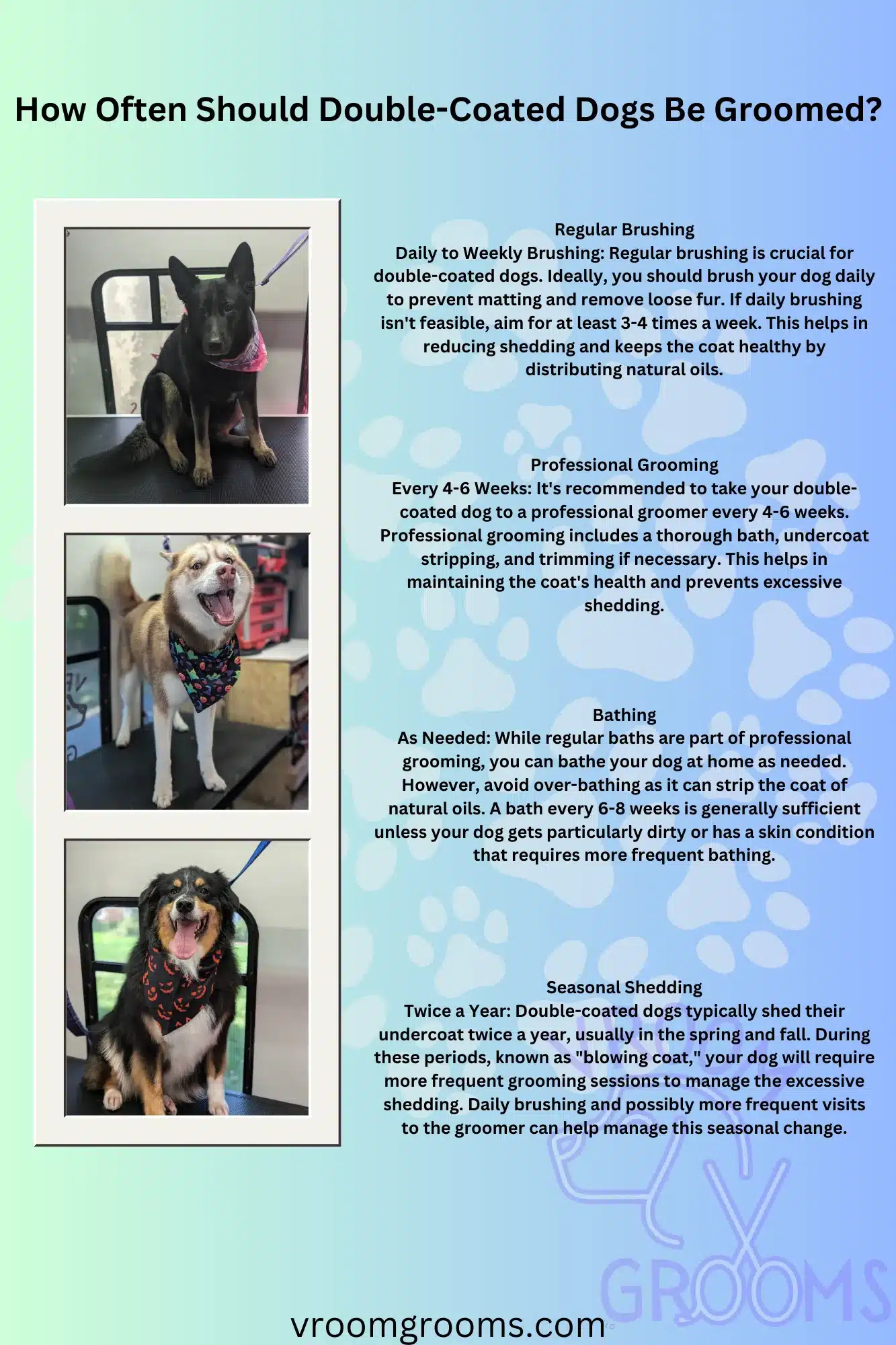
Mastering the right brushing technique can make a significant difference in managing shedding and maintaining a healthy coat. The key is consistency—preferably daily or every other day—especially during shedding seasons. Start by gently detangling any mats or tangles with a wide-tooth comb or your fingers to prevent pulling and discomfort. Proceed to use your slicker brush or undercoat rake in long, gentle strokes, following the direction of hair growth.
When brushing a double-coated breed, it’s best to work in sections, beginning with the outer coat and gradually moving inward toward the undercoat. Use the slicker brush on the guard hairs to remove loose fur and dirt, then switch to the undercoat rake to extract the dense undercoat fibers. Be patient—rushing through the process can cause discomfort or skin irritation. During heavy shedding times, this process might take 15-30 minutes but is essential for controlling hair loss and keeping your dog comfortable.
Proper brushing not only reduces shedding in your home but also stimulates blood flow to the skin, promoting healthy coat growth and preventing mat formation. Always be gentle, especially around sensitive areas like the belly, behind the ears, and under the legs. Positive reinforcement, such as treats and praise, can help your dog associate grooming with a pleasant experience. Remember, the more regularly you brush your dog, the easier the process becomes, and the healthier their coat remains.
If your dog develops mats or tangles, do not attempt to yank them out, as this can cause pain or injury. Instead, carefully work with a detangling spray and your tools to gently loosen the mats or seek professional grooming assistance. Consistent, effective brushing is a vital part of grooming that keeps shedding manageable, improves coat health, and strengthens your bond with your furry friend.
Bathing and Drying Practices for Double-Coated Dogs
Bathing your double-coated dog requires a thoughtful approach to avoid disrupting their natural coat functions. Unlike single-coated breeds, double-coated dogs benefit from infrequent baths—typically once every 4-8 weeks—unless they get particularly dirty or develop skin issues. Overbathing can strip natural oils, leading to dry skin and potential irritation, so it’s important to use a mild, dog-specific shampoo formulated for double coats that cleanses without stripping moisture.
When bathing, thoroughly wet your dog’s coat and apply the shampoo, massaging gently to reach the skin. Pay special attention to areas prone to dirt accumulation, such as behind the ears, under the belly, and between the paw pads. Rinse thoroughly to ensure no soap residue remains, which can cause itching or dryness. After shampooing, applying a conditioner designed for double coats can help keep the fur soft and manageable, but always rinse well to avoid buildup.
Drying is equally critical—air drying is preferred to help preserve the coat’s structure, but a high-velocity dog dryer can speed up the process and reduce the time your dog spends wet. When using a dryer, set it on a cool or low heat setting, and keep it moving to prevent overheating and discomfort. Blowing out the coat thoroughly helps remove loose hair, dirt, and excess moisture, which discourages matting and skin problems. Be patient and gentle during the drying process; a rushed job can lead to damp spots that promote skin issues or unpleasant odors.
Finally, avoid vigorous towel-drying, which can cause tangles and breakage in the coat. Instead, gently pat the fur and remove as much water as possible before drying. Regular bathing and proper drying not only help manage shedding but also give you a chance to check the skin for signs of irritation, parasites, or infections, ensuring your double-coated dog stays healthy and comfortable.
Seasonal Grooming Tips to Combat Shedding and Keep Your Dog Comfortable
Seasonal changes are the biggest challenge for owners of double-coated breeds, as their shedding patterns can be intense and demanding. In spring and fall, double-coated dogs shed heavily to adjust to temperature fluctuations, which means your grooming routine should intensify to manage loose hair and prevent mats. Daily brushing during these times is essential, along with regular vacuuming of your home to keep shedding under control.
In the warmer months, focus on keeping your dog cool and comfortable. Regular brushing helps remove excess undercoat, which can trap heat and lead to overheating. Consider trimming the fur around the paws, ears, and sanitary areas for better airflow, but avoid shaving the entire coat unless specifically instructed by a grooming professional. If your climate is very hot, consult a groomer about a safe, partial trim that reduces coat density without compromising insulation. Providing plenty of fresh water and shade is equally important to prevent heatstroke.
During winter, your double-coated dog benefits from a well-maintained coat that insulates against cold weather. However, excessive moisture or ice can cause skin issues, so regular grooming helps keep the coat clean and dry. If your dog gets wet outside, dry their coat thoroughly to prevent matting and skin irritations. Keep an eye on their coat’s condition, and consider professional grooming sessions to ensure their fur remains in top shape despite the seasonal shedding cycles.
In both seasons, maintaining a consistent grooming routine supports your dog’s comfort and health. Regularly check their skin for signs of dryness, irritation, or parasites, especially after shedding peaks. Using supplements like omega fatty acids can also promote a healthy, shiny coat and reduce excessive shedding. Proper seasonal grooming not only helps manage fur but also strengthens your bond and shows your dog that grooming is a caring, positive experience.
Conclusion
Caring for a double-coated dog is a rewarding journey that requires understanding, patience, and the right grooming strategies. Their unique coat structure demands tailored tools, techniques, and routines to effectively manage shedding, prevent matting, and promote overall coat health. Regular brushing, appropriate bathing, and seasonal grooming adjustments are all critical components in ensuring your dog remains comfortable and looking their best throughout the year.
By choosing the right tools and mastering effective grooming techniques, you can drastically reduce shedding indoors, prevent skin issues, and keep your double-coated dog happy and healthy. Remember, every dog is different—pay attention to their specific needs, and don’t hesitate to seek advice from professional groomers or veterinarians. With consistent care and love, your double-coated companion will not only look great but also enjoy a comfortable, healthy life by your side.