


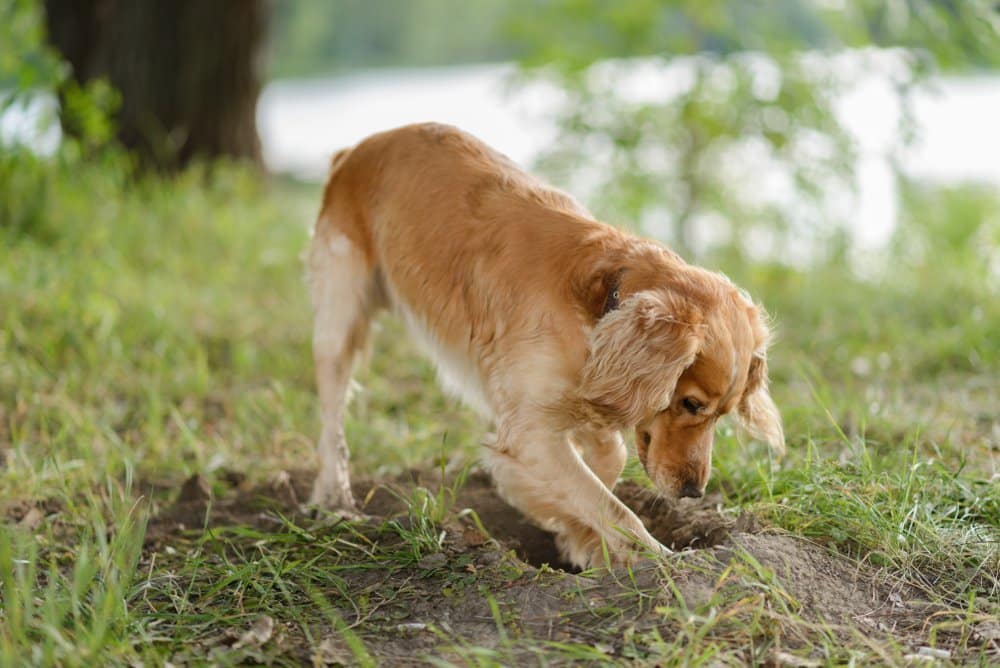
How to Manage Your Dog’s Handle Fur and Excess Digging Behavior
If you’re a dog owner, you’re likely familiar with the adorable and sometimes frustrating behaviors your furry friend exhibits. Among these, excessive digging and fur loss—particularly around the handle area—can become a source of concern. Not only do these behaviors sometimes indicate underlying health or behavioral issues, but they can also lead to fur damage, skin irritation, and even injuries. The good news is that with a clear understanding of why these behaviors occur and some practical management techniques, you can help protect your dog’s health and improve their overall well-being.
In this article, we’ll explore the reasons behind excess digging and fur loss, recognize common triggers, share effective strategies to curb these behaviors, discuss grooming techniques to safeguard your dog’s fur, and finally, present preventive measures and environmental enrichment ideas. Whether you’re dealing with a persistent digger or just want to keep your dog’s fur healthy and intact, this comprehensive guide will offer valuable insights to help you take proactive steps.
Understanding the Reasons Behind Excessive Digging and Fur Loss in Dogs
Dogs dig for a variety of reasons, some instinctual and others rooted in health or emotional needs. Understanding these motives is crucial to managing their behavior effectively. Excessive digging and fur loss are often interconnected, as persistent digging can lead to hair thinning or fur loss, especially around the handle or paws.
One primary reason dogs dig is instinctual behavior inherited from their wild ancestors, who dug to create a comfortable den, escape danger, or search for food. While modern dogs may not need to burrow for survival, this instinct persists, especially in breeds like terriers or hounds that were historically used for digging. Anxiety and boredom are also significant contributors—dogs that lack sufficient mental stimulation or physical activity may resort to digging as a way to alleviate stress.
Additionally, skin conditions, allergies, or parasites can cause dogs to scratch, chew, or dig at their fur to relieve discomfort. Fur loss in the handle area might result from excessive grooming or biting, either due to irritation or obsessive-compulsive behaviors. It’s essential to rule out medical issues with your veterinarian, as underlying health problems can mimic behavioral causes. Hormonal imbalances, nutritional deficiencies, or dermatitis can also lead to fur loss and compulsive digging.
Recognizing Common Behavioral and Environmental Triggers for Digging and Fur Issues
Understanding what triggers your dog’s digging and fur problems is key to addressing them effectively. Behavioral triggers often include boredom, separation anxiety, stress, or frustration, which prompt dogs to dig as a coping mechanism. For example, a dog left alone for long hours without mental stimulation may start digging incessantly to pass the time.
Environmental factors play a crucial role as well. Temperature extremes, such as hot or cold weather, can lead dogs to dig to find cooler ground or a more comfortable spot. Lack of suitable outdoor space or improperly secured yards can also encourage dogs to dig holes in search of escape routes or hiding spots. Furthermore, the presence of other animals or pests, such as moles or insects, might attract your dog to dig in specific areas.
Certain breeds are genetically predisposed to digging behaviors, especially terriers and hounds, which can be exacerbated by environmental stressors. Fur loss may also be triggered by over-grooming due to anxiety or skin irritation, or from itchy pests like fleas or mites. Recognizing these triggers involves observing your dog’s environment, routines, and health status, and noting when the digging or fur loss tends to intensify.
Effective Strategies for Managing and Reducing Digging Behavior in Dogs
Managing excessive digging requires a combination of behavioral modification, environmental management, and enrichment. Start by increasing physical exercise and mental stimulation—a tired dog is less likely to engage in destructive behaviors. Daily walks, interactive toys, puzzle feeders, and training sessions can help burn off excess energy and satisfy your dog’s natural instincts.
Implement positive reinforcement techniques to redirect digging behaviors. When your dog begins to dig, gently interrupt and redirect their attention to alternative activities, such as obedience commands or playing with toys. Reward calm, desired behaviors with treats or praise, reinforcing the idea that good behavior gets attention. Establishing designated digging areas, like a sandbox or specific patch of yard, can also satisfy their digging instinct without damaging your entire yard or furniture.
Another effective approach is behavioral desensitization and counter-conditioning for dogs with separation anxiety or stress-related digging. Gradually increasing your time apart, combined with providing comforting items like a favorite toy or a piece of clothing with your scent, can reduce anxiety-driven behaviors. If your dog’s digging is tied to boredom, consider adding interactive toys or rotating enrichment activities to keep their mind engaged and prevent destructive habits from forming.
Lastly, consulting a professional dog trainer or behaviorist can offer personalized strategies tailored to your dog’s temperament and specific triggers. In some cases, using calming aids or natural supplements—like pheromone diffusers or calming sprays—may also help reduce anxiety and associated behaviors.
Grooming Techniques to Protect and Maintain Healthy Fur During Digging Episodes
Proper grooming is essential in safeguarding your dog’s fur and skin, particularly if they tend to dig or excessively groom, which can cause fur loss and skin irritation. Start with regular brushing to remove loose fur, dirt, and prevent matting. Using appropriate brushes for your dog’s coat type ensures their fur remains healthy and less prone to damage during intense digging episodes.
Pay special attention to the handle or paws, as these areas are often most affected by digging and grooming. Use nail trimmers regularly to prevent overgrowth that can cause discomfort or breakage during digging. Inspect the skin beneath the fur for signs of irritation, redness, or parasites—prompt treatment can prevent further fur loss or infection. If your dog is prone to biting or excessive grooming, consider protective clothing or soft bandages to prevent skin trauma.
In addition to grooming, maintaining proper skin health can reduce itchiness that prompts digging and fur pulling. Incorporate nutritional supplements, like omega-3 fatty acids, to promote a healthy coat, and ensure your dog’s diet is balanced and complete. During active digging periods, if fur loss becomes significant, consider using clipper trims around the handle area to keep fur manageable and easier to inspect or treat if needed.
Remember, gentle handling and positive reinforcement during grooming sessions will keep your dog comfortable and cooperative. Regular grooming not only protects their fur but also enhances your ability to detect early signs of skin issues that might be causing or exacerbating their digging and fur loss.
Preventive Measures and Environmental Enrichment to Minimize Fur Damage and Digging Tendency
Prevention is always better than reactive management. Creating a stimulating environment can significantly reduce your dog’s motivation to dig and cause fur damage. Invest in environmental enrichment by providing engaging toys, varied activities, and safe outdoor spaces that fulfill your dog’s natural instincts in positive ways. Rotating toys and introducing new puzzles keeps their brain actively engaged and less likely to seek destructive outlets.
Establishing routine exercise schedules and consistent routines can help reduce anxiety and boredom—two common triggers for digging and fur-pulling. A tired and mentally stimulated dog is less prone to destructive behaviors. For outdoor areas, ensure your yard is secure and free from pests or hazards that might motivate digging, such as moles or burrowing insects. Consider installing dig-proof fencing or covering vulnerable spots to discourage excavation.
Implementing behavioral training and reinforcement as preventive measures involves teaching your dog acceptable ways to express their natural instincts. For example, training your dog to dig in a designated sandbox can satisfy their digging urges without damaging your yard. Additionally, regular health check-ups to identify and treat skin conditions early prevent fur loss caused by underlying medical issues, reducing the urge to scratch or bite at their fur.
Finally, consider using calming products like pheromone diffusers or calming collars, especially if your dog is prone to anxiety. These tools can help create a more relaxed environment, decreasing stress-induced digging and grooming. Consistently applying these preventive strategies can promote healthier fur, reduce damage, and help your dog channel their energy positively.
Conclusion
Managing your dog’s handle fur and excess digging behavior involves understanding the underlying causes, recognizing triggers, and implementing tailored strategies. By increasing mental and physical stimulation, employing positive reinforcement, and providing designated digging areas, you can effectively curb destructive behaviors. Regular grooming and skin care are essential in maintaining healthy fur and preventing irritation, especially during periods of intense digging.
Creating an enriched, secure environment combined with preventive measures can dramatically reduce fur damage and unhealthy digging tendencies. Remember, patience and consistency are key—each dog is unique, and finding the right approach may take time. If behavioral or health issues persist, consulting with veterinary or professional behaviorist support can provide personalized guidance. Ultimately, a balanced approach that combines understanding, management, and preventive care will help your furry friend stay happy, healthy, and well-behaved.