

How to Maintain Your Pet’s Fur Health with Diet Support
A shiny, healthy coat isn’t just a sign of good looks—it’s a reflection of your pet’s overall health. Many pet owners focus on grooming, baths, and topicals, but often overlook the crucial role that nutrition plays in fur health. Proper diet support can help prevent issues like dull fur, excessive shedding, skin irritations, and even hair loss. In this article, we’ll explore how what you feed your pet directly influences their coat’s vitality, and how you can optimize their diet for a luscious, resilient, and healthy coat.
Understanding the Role of Nutrition in Fur Health
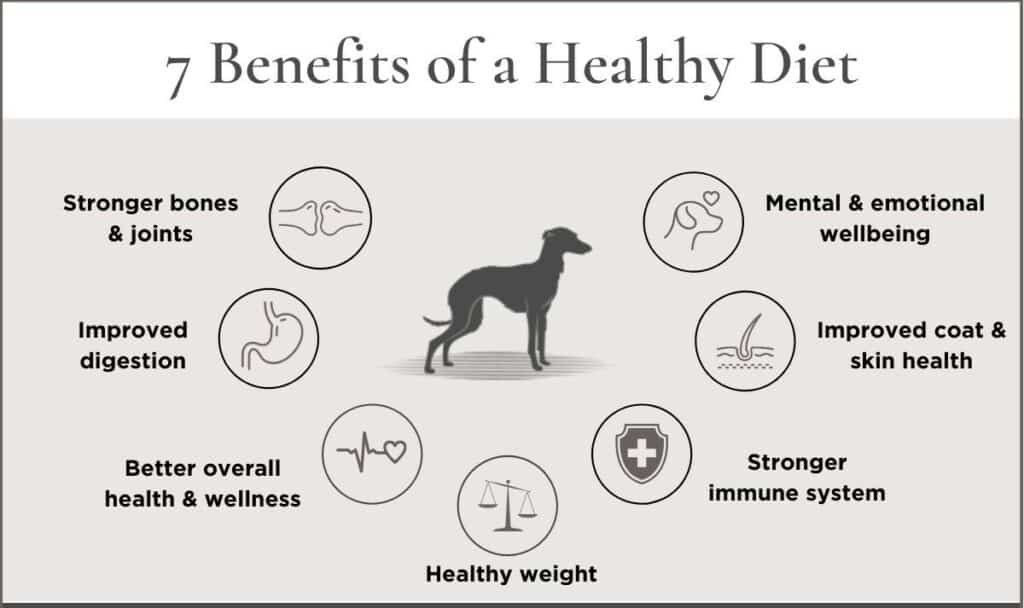
Your pet’s fur is an extension of their skin, and both are living tissues that require specific nutrients to stay healthy. When your pet’s diet lacks essential vitamins, minerals, and fatty acids, their coat can become dull, brittle, and prone to shedding or skin problems. Nutrition doesn’t just influence appearance; it also impacts the immune system, skin barrier function, and overall vitality, all of which contribute to a shiny and robust coat.
Furthermore, many common pet health issues—such as allergies, dermatitis, or dry skin—are often rooted in nutritional deficiencies or imbalances. For example, omega-3 fatty acids are essential for maintaining skin hydration and reducing inflammation, while deficiencies in biotin or zinc can lead to hair thinning or slow coat growth. Recognizing that a well-balanced diet supports not only your pet’s internal health but also their external appearance is key to long-term fur health.
Another important aspect is that diet quality varies significantly depending on the type of pet food chosen. Commercial pet foods vary from highly processed kibble to fresh, holistic diets, but regardless of type, a diet rich in natural, nutrient-dense ingredients will most effectively support healthy fur. Understanding the nutrients involved allows pet owners to make informed decisions and tailor diets that promote a shiny, resilient coat.
Essential Nutrients for a Shiny, Healthy Coat
Certain nutrients play pivotal roles in maintaining a pet’s fur health. Among these, omega-3 and omega-6 fatty acids are perhaps the most well-known for their positive effects on skin and coat condition. These essential fats help reduce inflammation, prevent dryness, and promote a glossy, soft appearance. Salmon oil, flaxseed, and fish-based ingredients are excellent sources to include in your pet’s diet.
Biotin (Vitamin B7) is another crucial nutrient known for promoting hair growth and skin health. It supports the production of keratin, the primary protein in fur, leading to stronger, shinier hair. Many commercial supplements and diets now include biotin explicitly, but ensuring your pet gets enough through balanced food sources is equally important. Zinc, another essential mineral, supports immune function and skin integrity, preventing issues like dermatitis and hair loss.
Vitamins A, E, and D also play significant roles in fur health. Vitamin A supports skin cell production, while Vitamin E acts as an antioxidant that protects skin cells from oxidative stress. Vitamin D helps regulate skin cell growth and immune responses. A deficiency in these vitamins can result in dull, brittle fur, and skin irritation. Providing a comprehensive diet that includes these key nutrients ensures your pet’s coat remains vibrant and resilient.
Incorporating Balanced Diets and Supplements for Optimal Fur Condition
Achieving optimal fur health begins with choosing a balanced diet tailored to your pet’s specific needs. Whether you feed commercial or homemade meals, focus on ingredients that supply high-quality proteins, healthy fats, and a variety of micronutrients. Look for products that list real meat, fish, or plant-based proteins as primary ingredients, and avoid fillers like excess grains or artificial additives, which can adversely affect skin health.
Supplements can also be a valuable addition, especially if your pet has specific issues like dry skin or shedding. Fish oil supplements rich in omega-3 fatty acids are widely recommended and can be easily incorporated into daily feeding routines. Before adding any supplement, consult your veterinarian to determine appropriate dosages and avoid excessive intake, which could lead to other health problems.
In addition to supplements, consider integrating superfoods like pumpkin, sweet potatoes, or blueberries into your pet’s diet. These foods are rich in antioxidants, vitamins, and fiber that support skin health and coat shine. Remember, the goal is to create a diet that is nutritionally complete and tailored to your pet’s age, breed, and health status. Regular veterinary checkups and dietary consultations can help you fine-tune your pet’s diet for the best fur health outcomes.
Common Dietary Factors That Impact Fur Quality and How to Address Them
Several dietary factors can negatively influence your pet’s fur, often unknowingly. Excessive carbohydrate intake, especially from low-quality fillers, can lead to inflammation and skin issues, while imbalanced fatty acid ratios can result in dry, greasy, or dull fur. Overfeeding or feeding an unbalanced diet may also cause obesity, which can affect coat condition as well as overall health.
Food allergies or sensitivities are common culprits behind itchy skin and poor coat quality. Pets with food intolerances often react to specific ingredients like beef, dairy, or grains, leading to inflammation that affects fur health. Identifying and eliminating these triggers by working with your vet can improve coat quality and reduce discomfort.
Another concern is deficiencies caused by poor diet or subpar pet foods lacking in essential nutrients. For example, diets low in omega-3 fatty acids or lacking in biotin and zinc can cause brittle, lackluster fur. Ensuring your pet’s diet provides the right balance of these nutrients—either through high-quality commercial food or carefully curated homemade meals—can significantly improve fur health. Regular monitoring and adjustments based on your pet’s age and health status are essential to address these dietary impacts effectively.
Practical Tips for Maintaining Long-term Fur Health Through Diet
Maintaining your pet’s fur health is a long-term commitment that involves consistent dietary management. Start by selecting high-quality pet foods that list real meat or fish as the primary ingredient and are formulated to meet your pet’s specific nutritional needs. Always read ingredient labels carefully and steer clear of foods with excessive fillers, artificial additives, or low nutrient density.
Incorporate natural supplements like omega-3 fatty acids, especially if your pet’s diet is lacking in oily fish. Remember to follow veterinary guidance on dosages to avoid over-supplementation, which can be just as harmful as deficiencies. Regularly rotating protein sources or adding superfoods can also help diversify nutrient intake and support overall coat health.
Finally, observe your pet’s coat and skin condition regularly and keep track of any changes. If you notice persistent dryness, excessive shedding, or skin irritations despite dietary efforts, consult your veterinarian. They can help identify underlying issues such as allergies or health conditions that may require targeted dietary adjustments or additional treatments. Combining a balanced diet with vigilant monitoring ensures your pet’s fur remains healthy, shiny, and resilient over the years.
Conclusion
Your pet’s coat is a window into their overall health, and maintaining its vitality goes far beyond grooming and topical treatments. Nutrition plays a fundamental role in supporting a shiny, resilient, and healthy coat. By understanding the essential nutrients—like omega fatty acids, biotin, and vitamins—and ensuring your pet’s diet is balanced and tailored to their needs, you can significantly enhance fur quality. Incorporating high-quality foods, appropriate supplements, and addressing dietary factors that impact fur health will help your furry friend look and feel their best for years to come.
Remember, a healthy coat is a reflection of good nutrition and overall well-being. Prioritize your pet’s diet, consult with veterinary professionals, and stay attentive to changes in their coat and skin condition. With consistent care and the right nutritional support, your pet can enjoy a shiny, healthy, and beautiful coat that complements their lively personality and vibrant health.