


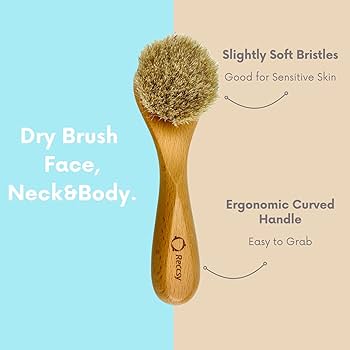
Best Natural Brushes for Sensitive Skin: Gentle Skincare Tips and Benefits
If you have sensitive skin, you know how easily it can react to harsh products or abrasive tools. That’s why many skincare enthusiasts are turning to natural brushes—not only for their gentle touch but also for their eco-friendly and skin-loving properties. Using natural brushes can enhance your skincare routine, helping you achieve a healthier, calmer complexion without irritating your skin. In this article, we’ll explore the benefits of natural brushes, how to choose the right materials, proper usage techniques, maintenance tips, common mistakes to avoid, and why integrating these tools into your routine could be a game-changer.
Understanding the Benefits of Natural Brushes for Sensitive Skin
Natural brushes are crafted from organic, plant-based, or animal-derived fibers, making them inherently gentler than synthetic options. For those with sensitive skin, these brushes offer a blend of softness, effective cleansing, and reduced risk of irritation. Their natural fibers typically have a finer, more pliable texture, allowing for a gentle yet thorough cleanse that respects even the most delicate skin types. Moreover, natural brushes often have better breathability and less likelihood of harboring bacteria compared to synthetic alternatives, which can be crucial for skin prone to redness or breakouts.
Another significant benefit is their eco-friendly nature. Many natural brushes are made from sustainable materials, such as bamboo, boar bristles, or plant fibers like Tampico or jute. Choosing these options not only benefits your skin but also aligns with environmentally conscious living. Natural brushes also tend to be free from harmful chemicals or synthetic dyes, reducing the risk of allergic reactions or sensitive skin flare-ups. As a result, they promote a more holistic skincare approach that emphasizes gentle, non-toxic ingredients and tools.
Lastly, natural brushes can enhance the effectiveness of your skincare routine. When used correctly, they help exfoliate dead skin cells, improve blood circulation, and boost product absorption—all while maintaining a gentle touch suitable for sensitive skin. Over time, regular use can lead to a smoother, more radiant complexion with fewer irritation outbreaks. This makes them an excellent investment for anyone looking to upgrade their skincare regimen with tools that are both effective and kind to sensitive skin.
Choosing the Right Natural Brush Materials for Sensitive Skin Types
Selecting the appropriate natural brush materials is crucial for ensuring that your skincare routine remains gentle and effective. For sensitive skin, you’ll want to prioritize brushes made from soft, non-irritating fibers that do not cause abrasions or allergic reactions. Natural fibers like boar bristles, sisal, or tampico are popular options, but their softness varies. For example, softer boar bristles or plant-based fibers like jute and hemp are excellent choices for those with delicate skin because they provide gentle exfoliation without harshness.
Bamboo is commonly used in the handles of natural brushes due to its sustainability and durability. When choosing a brush, ensure that the bristles are securely attached to the handle, as loose fibers can cause micro-scratches or irritation. Additionally, look for brushes with rounded or tapered bristle tips, which are less likely to scratch or irritate sensitive skin. Always opt for brushes labeled as “hypoallergenic” or “suitable for sensitive skin,” and consider testing the brush on a small skin area before full application.
It’s also worth noting that some natural brushes come with mixed fiber compositions—such as a combination of soft natural fibers with softer synthetic bristles—a compromise that can sometimes offer a balance between gentleness and durability. However, for true sensitivity concerns, staying with 100% natural, organic materials is usually best. Ultimately, choosing the right natural brush involves considering your skin’s specific needs, such as whether it tends to be oily, dry, or prone to redness, and selecting fibers that align with those needs.
Proper Techniques for Using Natural Brushes to Minimize Skin Irritation
Even the gentlest natural brush can cause irritation if used improperly. To maximize benefits and minimize risks, it’s essential to follow proper techniques. Begin by thoroughly cleansing your hands and the brush itself to remove any dirt or bacteria before use. Use lukewarm water to dampen the brush—never hot, as it can damage the fibers—and apply a mild, fragrance-free cleanser if needed. When cleansing your face, use gentle, circular motions, avoiding excessive pressure or scrubbing, which can damage sensitive skin and cause redness.
Timing and frequency matter, especially for sensitive skin. Limit brushing sessions to 2-3 times per week to prevent over-exfoliation. During each session, be gentle and focus on areas prone to buildup, such as the T-zone or cheeks. Pay attention to your skin’s response; if you notice any redness or discomfort, reduce the pressure or frequency. Remember, the goal is to support your skin’s natural renewal process without disrupting its delicate barrier.
After use, rinse the brush thoroughly with lukewarm water and gently squeeze out excess water—never wring or twist the fibers. Pat the brush dry with a clean towel and allow it to air dry completely in a well-ventilated area, ideally hanging or standing upright. Proper technique and gentle handling will ensure your natural brush remains soft, effective, and safe for sensitive skin while helping to prevent irritation and breakouts.
Tips for Maintaining and Caring for Natural Brushes to Ensure Skin Safety
To keep your natural brushes in optimal condition and ensure they remain safe for sensitive skin, regular maintenance is essential. First, always clean your brushes after each use to prevent bacteria and mold buildup. Use a mild, natural brush cleaner or a gentle soap combined with lukewarm water. Avoid harsh chemicals or alcohol-based cleaners, which can degrade the natural fibers and cause skin irritation.
Allow your brushes to dry completely after cleaning. Moisture fosters bacteria growth, which can lead to skin infections or breakouts. Hang your brushes upside down or place them in a well-ventilated area to facilitate thorough drying. If you notice any signs of wear, such as frayed fibers or discoloration, replace the brush promptly to maintain effective and safe skincare practices.
Storage also plays a role in maintaining hygiene. Store your brushes in a dry, clean container or holder that allows airflow, preventing dust or mold accumulation. Avoid keeping brushes in humid environments or enclosed spaces without ventilation. Lastly, periodically inspect your brushes for accumulated debris or damage and replace them every 3-6 months, depending on usage frequency. Proper care not only prolongs the lifespan of your brushes but also guarantees that they remain a safe, gentle tool for sensitive skin.
Common Mistakes to Avoid When Using Natural Brushes on Sensitive Skin
While natural brushes are fantastic for sensitive skin, certain common mistakes can undermine their benefits. One of the biggest errors is using excessive pressure during cleansing. Applying too much force can cause microtears, redness, or exacerbate existing sensitivities. Remember, gentle circular motions are sufficient to clean and exfoliate without triggering irritation. Always prioritize light touches and patience over vigorous scrubbing.
Another mistake is overusing the brushes. More isn’t always better, especially for sensitive skin. Frequent or aggressive brushing can strip away natural oils and disrupt your skin’s barrier, leading to dryness, redness, or breakouts. Stick to the recommended frequency—typically 2-3 times a week—and listen to your skin’s cues. If you notice increased sensitivity or discomfort, reduce the usage or pause altogether until your skin calms down.
Finally, neglecting proper cleaning and maintenance can lead to bacterial buildup and skin issues. Dirty brushes transfer oils, dirt, and bacteria back onto your face, risking irritation or infection. Ensure you rinse, clean, and dry your brushes regularly, and replace them when they show signs of wear. By avoiding these common pitfalls, you can enjoy the full benefits of natural brushes and maintain a gentle, effective skincare routine tailored for sensitive skin.
Conclusion
Integrating natural brushes into your skincare routine offers a gentle, eco-friendly way to support healthy, radiant skin—especially if you have sensitive skin prone to irritation. By understanding the benefits, choosing the right materials, mastering proper techniques, maintaining your tools diligently, and avoiding common mistakes, you can maximize their potential while keeping your skin safe. Remember, the key lies in patience, gentle handling, and consistent care. So why not give natural brushes a try and experience a more soothing, effective skincare journey? Your skin will thank you!