


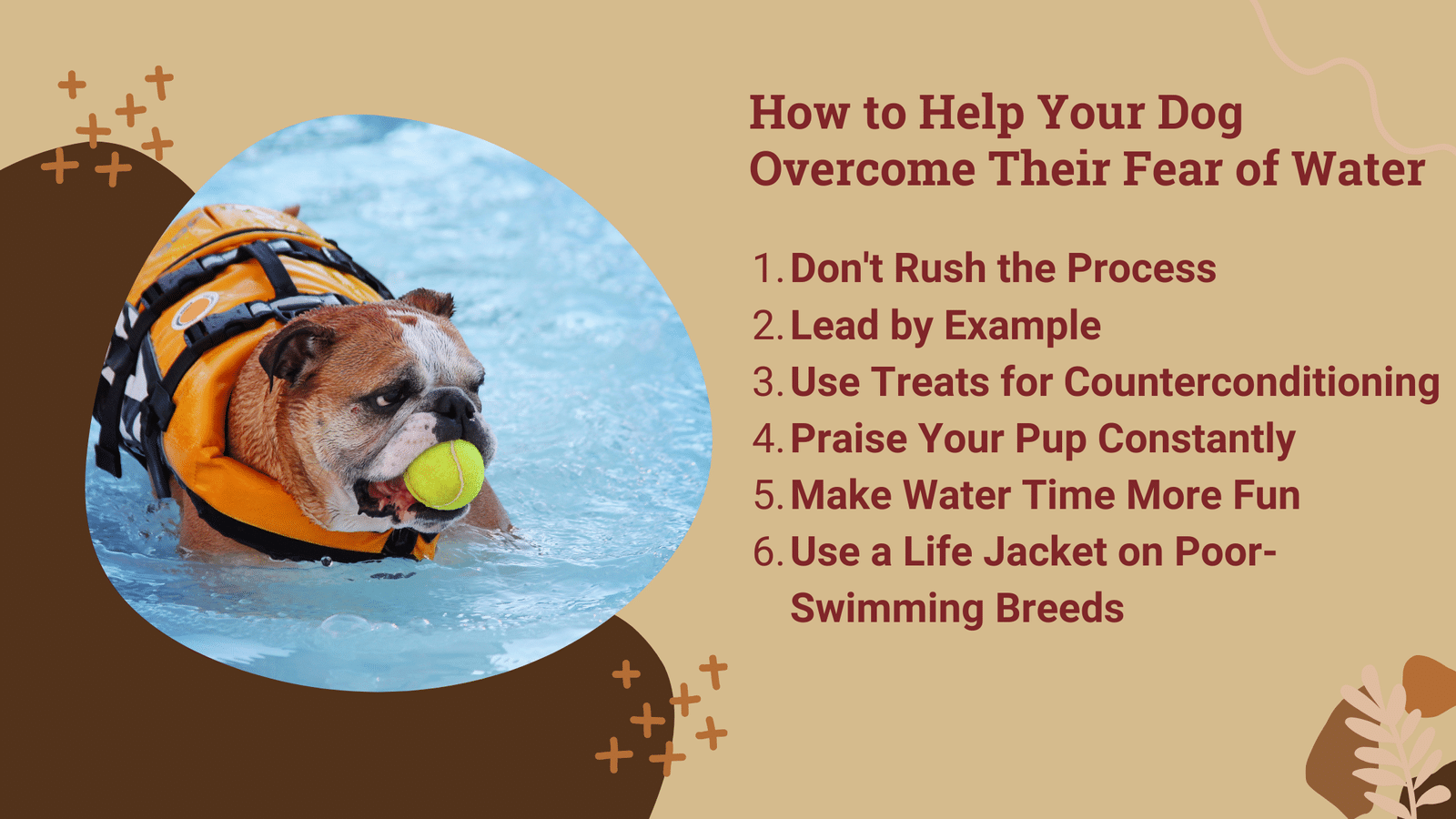
How to Safely Groom Dogs with Water Phobia: Tips and Solutions
Grooming is an essential part of maintaining a dog’s health, hygiene, and happiness. However, for some dogs, the experience can be stressful or even traumatic—especially if they have water phobia, also known as hydrophobia. Water phobia in dogs isn’t just a dislike of baths; it can be a deep-seated fear that makes grooming a challenge for pet owners and professionals alike. If your dog is afraid of water, knowing how to handle grooming safely and compassionately is crucial to ensuring their well-being and reducing their anxiety.
In this article, we’ll explore the causes of water phobia, how to recognize its signs, and effective strategies to desensitize your dog gradually. You’ll also learn how to build positive associations with bathing, prevent the fear from worsening, and when to seek professional help. Whether you’re a new pet owner or someone who’s struggled with a water-fearing dog, these tips will help you create a safer, more comfortable grooming routine.
Understanding Water Phobia in Dogs and Its Causes
Water phobia in dogs is an intense and often irrational fear of water or baths, which can develop for various reasons. It’s important to understand that this fear isn’t necessarily a reflection of a dog’s personality but rather a response to past experiences or genetic predispositions. Some dogs may have been mishandled or frightened during previous grooming sessions, leading to lasting trauma. Others might have had negative experiences such as slipping in the tub, cold water, or sudden loud noises during bath time.
Additionally, certain breeds are more prone to water fears due to their history or temperament. For example, dogs that are not naturally water-loving or are bred for non-aquatic purposes may be more sensitive to water stimuli. Young puppies who experience a rough or forced bath early in life might develop a lifelong aversion. Medical conditions like skin infections or injuries that cause pain during grooming can also make water-related handling more distressing for your dog.
Environmental factors play a role too. An unfamiliar setting, inconsistent routines, or harsh handling can escalate water anxiety. It’s crucial to recognize that water phobia is a complex issue influenced by biological, psychological, and environmental factors. Understanding these causes helps owners approach grooming with patience and empathy, setting the stage for safer and more effective desensitization techniques.
Recognizing Signs of Water Anxiety and Fear Responses
Before attempting to groom a water-phobic dog, recognizing the signs of water anxiety is essential. Dogs communicate their discomfort through a variety of body language and behavioral cues, which, if ignored, can worsen their fear or lead to aggression. Common signs include trembling, lip licking, yawning, and avoiding eye contact when approaching water. Some dogs may try to escape or hide when they sense a bath coming, displaying behaviors like backing away, crouching, or barking.
Other visible fear responses include flattened ears, tucked tail, and dilated pupils—indicators of stress. During a bath, a water-fearing dog might shake excessively, attempt to escape the tub, or become overly submissive, showing lots of panting or excessive licking. These responses signal that your dog is overwhelmed and needs a gentler, more gradual approach. Recognizing these signs early allows you to intervene and modify your grooming techniques accordingly.
Understanding the emotional state of your dog is critical to ensuring their safety. Pushing a fearful dog into water or forcing a bath can escalate their anxiety, potentially leading to injury or behavioral issues like biting or running away. Instead, patience and awareness can help you tailor your approach, making grooming a less traumatic experience for your furry friend.
Effective Techniques for Desensitizing Dogs to Water
Desensitization is a gradual process that helps a water-phobic dog build comfort and confidence around water. Start by introducing your dog to the presence of water in a non-threatening way—simply by showing them a few drops of water or allowing them to sniff the faucet or spray bottle. Never force your dog into water at this stage; instead, use positive reinforcement to encourage calm behavior.
Next, gradually increase exposure by allowing your dog to get used to the sound of running water or the sight of a small amount of water in a controlled environment. For example, you might let them observe water flowing from the faucet or spray them lightly with water from a spray bottle while rewarding calm behavior with treats or praise. Over time, you can slowly introduce water into their bathing routine, starting with brief, shallow rinses and increasing duration as they become more comfortable.
Consistency and patience are key when desensitizing a dog with water phobia. Keep sessions short, positive, and stress-free, ensuring your dog feels safe at every step. Using calming aids such as pheromone sprays or playing soothing music can also help reduce anxiety. Remember, never rush the process—progress may be slow, but with gentle persistence, many dogs can overcome their water fears and develop a more relaxed attitude toward grooming.
Building Positive Associations and Confidence During Bathing
Creating positive associations with water and grooming is essential for dogs with water phobia. Start by associating bath time with enjoyable experiences, such as offering favorite treats, gentle petting, or play before and after water exposure. This approach helps your dog associate water with positive feelings rather than fear. Using high-value treats during each step of the process reinforces good behavior and gradually shifts their perception.
Another effective method is to make the bathing environment as calm and inviting as possible. Use a non-slip mat in the tub to prevent slipping, keep the water temperature comfortably warm, and speak to your dog in a soothing voice throughout. Incorporate gentle handling and avoid sudden movements, which can trigger fear responses. Additionally, employing calming aids like dog-specific pheromone sprays or calming collars can further ease anxiety.
Patience and consistency are vital for building your dog’s confidence. Engage in short, frequent grooming sessions rather than long ones, focusing on gradual exposure and positive reinforcement. Over time, these small steps can significantly reduce your dog’s water-related fears, making future grooming sessions smoother and more relaxed for everyone involved.
Preventing Water Phobia from Worsening and Seeking Professional Help
Prevention is always better than cure when it comes to water phobia in dogs. Early positive experiences with water—especially during puppyhood—can set the foundation for a more relaxed attitude toward grooming. Avoid forcing your dog into water or punishing them for showing fear; instead, always prioritize patience and gentle handling. Regular, positive exposure to water in a controlled environment can prevent the development of severe anxiety.
If your dog’s water fear is severe or worsening despite your efforts, seeking the help of a professional dog trainer or veterinary behaviorist is highly recommended. These experts can assess your dog’s specific situation and design a tailored behavior modification plan. They may also recommend using veterinary-approved calming medications or supplements temporarily to reduce anxiety during grooming sessions.
Remember that safety is paramount. Never attempt to force or punish a water-fearful dog, as this can lead to aggression or traumatic experiences. Providing a supportive, stress-free environment and seeking expert guidance when needed can turn grooming from a dreaded task into a manageable, even positive, experience for your dog. Early intervention and compassionate care are key to helping your furry friend overcome water phobia safely.
Conclusion
Grooming dogs with water phobia requires understanding, patience, and tailored techniques to ensure their safety and emotional well-being. Recognizing the causes and signs of water anxiety allows you to approach grooming with empathy, while desensitization and positive associations can gradually restore their confidence. Building a calm, reassuring environment and employing gradual exposure techniques make baths less stressful and more manageable over time.
Prevention is always preferable, but if your dog’s water fears are severe or worsening, consulting professionals can provide the guidance and support needed to help your dog overcome their phobia. Remember, every dog is unique, and overcoming water anxiety is a gradual process that benefits greatly from patience and kindness. With these strategies, you can turn grooming into a safer, less traumatic experience—improving your dog’s health, happiness, and your bond together.