


How to Safely Trim Fur Around Your Dog’s Paws for Winter Safety
As winter approaches, pet owners become increasingly aware of the importance of keeping their dogs safe and comfortable in cold weather. One often-overlooked aspect of winter grooming is trimming the fur around your dog’s paws. The fur around the paws can trap snow, ice, and salt, leading to discomfort, potential injury, or even health issues like frostbite. Properly maintaining this area not only helps keep your dog comfortable but also plays a crucial role in preventing accidents and skin problems during the cold months. This article will guide you through understanding why paw fur maintenance matters, how to identify when trimming is needed, and the step-by-step process to do it safely.
Understanding the Importance of Fur Maintenance Around Paws During Winter
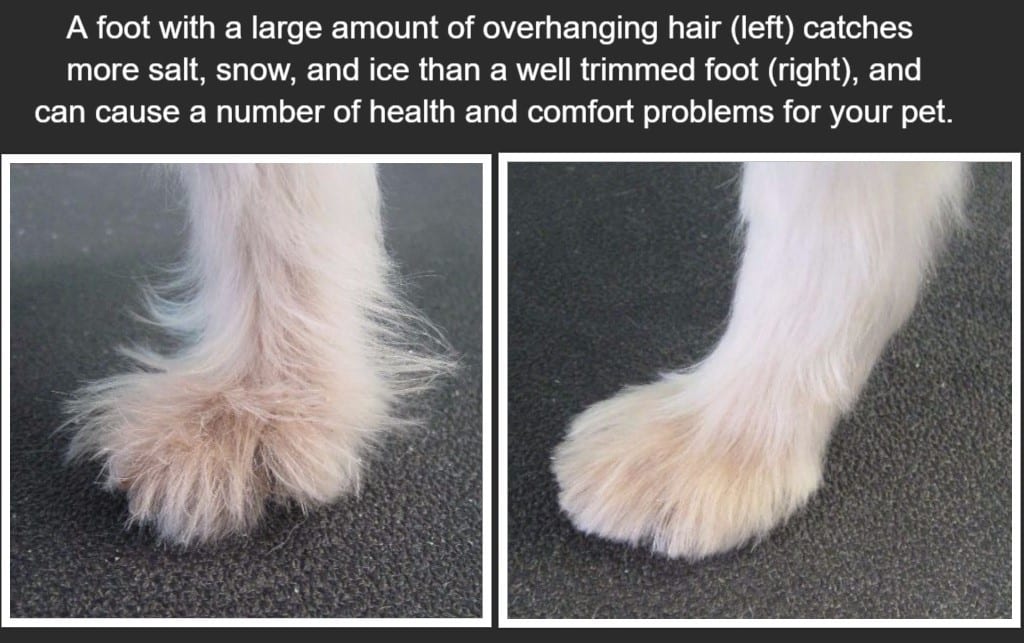
Dog fur serves various functional purposes, including protection from environmental elements. During winter, the fur around your dog’s paws acts as a natural barrier against snow, ice, and cold surfaces. However, if the fur becomes overly long or matted, it can trap moisture and debris, which may lead to discomfort, irritation, or even infections. Trimming the fur around the paws helps maintain a dry, clean, and healthy environment for your pet’s skin. It also enhances your dog’s traction on icy surfaces, reducing slip hazards during walks.
Beyond comfort, trimmed fur minimizes the accumulation of harmful substances like salt, chemicals, and dirt that are commonly found on winter sidewalks and roads. These substances can cause skin irritation, dryness, or even chemical burns if they remain in contact with the skin for extended periods. Moreover, long fur can obscure your dog’s paw pads, making it harder to spot cuts, cracks, or other injuries early. Regular grooming ensures you can easily check for signs of frostbite or skin irritation, which are more common during freezing temperatures.
Finally, maintaining paw fur not only benefits your dog’s health but also enhances safety during walks. Shorter fur around the paws provides better grip on icy surfaces, helping your dog walk confidently without slipping. It also reduces the likelihood of snow and ice ball formation between toes, which can be painful and damaging if left untrimmed. Overall, proactive paw grooming is a simple yet effective way to ensure your dog stays safe, comfortable, and healthy throughout the winter months.
Signs Indicating the Need to Trim Fur Around Your Dog’s Paws in Cold Weather
Knowing when to trim your dog’s paw fur is essential for maintaining their comfort and safety during winter. Some signs are obvious, such as excessive length of fur that extends between the toes and pads, creating a tangled mess or snowball buildup. If you notice your dog frequently licking or biting at the paws, it could indicate irritation caused by trapped moisture, debris, or cold exposure—all of which can be alleviated by trimming. Additionally, observing your dog slipping or struggling to walk confidently on icy surfaces suggests that the fur may be hindering traction, signaling the need for grooming.
Another indicator is visible accumulation of snow, ice, mud, or salt between the toes and in the fur around the paws. These substances can cause skin irritation or even frostbite if left unchecked. Also, check for cracked or dry paw pads, which are more prone to injury and discomfort in winter. If your dog’s fur appears matted or clumped due to moisture and debris, it’s a clear sign that trimming is overdue. Regularly inspecting the paws after walks ensures you catch these signs early and take action before any discomfort worsens.
Furthermore, certain breeds naturally have longer or more dense fur around their paws, requiring more frequent trimming during winter. Dogs with thick coats, such as Siberian Huskies or Golden Retrievers, may need routine grooming to prevent snowballing and matting. Conversely, breeds with short fur may not require much trimming but should still be monitored for debris buildup. Recognizing these signs and understanding your specific dog’s grooming needs will help you maintain their paws’ health and safety during the cold months.
Step-by-Step Guide to Safely Trimming Fur Around Your Dog’s Paws
Trimming your dog’s paw fur might seem daunting at first, but with patience and the right technique, it becomes a manageable part of winter grooming. Start by calming your dog and choosing a quiet, well-lit space where you can comfortably work. Gather your tools—such as grooming scissors, clippers (if necessary), and a brush—and make sure everything is clean and sharp to prevent accidental pulling or injury. Always speak softly and gently handle your dog to keep them relaxed throughout the process.
Begin by gently brushing the fur around the paws to remove loose hair, dirt, and debris. This step makes trimming easier and helps you see the length and condition of the fur and paw pads clearly. Next, lift each paw one at a time and examine the fur between the toes and around the pads. Use scissors to carefully trim the fur just above the skin, avoiding cutting into the skin itself. For thicker or more matted fur, electric clippers designed for pets can provide a more even trim, but always set the blades to a safe length and avoid pressure points.
When trimming, focus on creating a clean, even look that shortens the fur but doesn’t shave it down too close to the skin. Trim the fur between the toes to prevent snow and ice ball formation, and remove any excess around the paw pads that could trap debris. After trimming, check the pads for cuts, cracks, or irritation, and apply a pet-safe moisturizer if needed. Finish by inspecting each paw for foreign objects or signs of injury. Regularly trimming your dog’s paw fur will help them stay comfortable and safe during winter walks, and with practice, the process becomes quicker and less stressful for both of you.
Tools and Techniques for Effective and Safe Paw Fur Trimming
Having the right tools and knowing proper techniques are crucial for safe and effective paw fur trimming. The most common grooming tools include blunt-tipped scissors, grooming clippers, a fine-toothed comb, and possibly trimming shears for detailed work. Blunt-tipped scissors are ideal for trimming sensitive areas around the paws because they reduce accidental cuts. Electric clippers designed specifically for pets can help shorten thick or matted fur more efficiently but should be used with caution, especially around delicate areas.
When trimming, always work slowly and deliberately to avoid nicking the skin or causing discomfort. Use a grooming table or a non-slip mat to keep your dog steady, and hold the paw gently but securely. Start by trimming small sections of fur at a time, frequently pausing to check for sensitivity or discomfort. If you encounter mats or tangles, it’s best to gently work through them with a comb before trimming, as pulling can hurt your dog. For sensitive areas like the paw pads and between toes, use small scissors or thinning shears for precision and safety.
Techniques such as trimming in a straight line along the fur’s natural growth pattern help achieve a neat appearance and prevent uneven patches. Always keep your blades or scissors sharp—dull blades tug at the fur and can cause pain or irritation. For dogs prone to anxiety during grooming, consider using treats or calming aids to make the experience more positive. Remember, if you’re unsure or uncomfortable trimming around sensitive areas, consulting a professional groomer is a good investment to ensure your pet’s safety and comfort.
Tips for Preventing Snow and Ice Buildup Around Paws During Winter
Prevention is always better than cure, especially when it comes to winter paw safety. One effective way to prevent snow and ice buildup is to trim your dog’s fur regularly, particularly during the cold months. Shortening the fur around the paws prevents snowballs from forming and reduces the accumulation of ice and salt. Besides trimming, applying paw balm or wax before walks creates a protective barrier that repels moisture and makes the fur and pads less likely to trap snow and ice.
Another practical tip is to wipe your dog’s paws thoroughly after every walk. Use a damp cloth or pet-safe wipes to remove salt, chemicals, and melting snow from between the toes and pads. Paying attention to these small details greatly diminishes the risk of skin irritation or chemical burns caused by winter sidewalk salts. Additionally, trying protective booties or dog shoes can provide a physical barrier against snow and ice, especially for breeds with longer fur or those prone to paw issues.
Finally, consider creating a routine for winter paw care that includes regular inspections, trimming, and cleaning. Keep an eye out for signs of cracking, redness, or frostbite, and act promptly if you notice something unusual. Providing your dog with a warm, dry space to rest after outdoor activities also helps prevent moisture from lingering on their paws, which could lead to freezing or irritation. With consistent preventive measures, you can help ensure your furry friend remains safe, comfortable, and happy even during the coldest months.
Conclusion
Taking care of your dog’s paw fur during winter is a simple yet vital part of seasonal grooming that can significantly impact their safety and comfort. Understanding why fur maintenance matters—from preventing ice buildup and slipping to avoiding skin irritation—is the first step in responsible pet care. Recognizing signs that indicate trimming is needed ensures you act promptly to prevent discomfort and health issues. When trimming, using the right tools and techniques helps you do so safely and effectively, making the grooming experience less stressful for your pet.
Preventive strategies like regular trimming, paw wiping, and using protective gear further safeguard your dog against the hazards of winter weather. By integrating these practices into your routine, you ensure your furry friend can enjoy winter walks without worry, all while maintaining healthy, happy paws. Remember, a little effort now goes a long way in keeping your dog comfortable, safe, and ready to face the winter season with confidence. Happy grooming!