


How to Safely Groom Dogs with Flea Allergies: Tips and Best Practices
Grooming is an essential part of maintaining a dog’s health, hygiene, and overall well-being. However, for dogs with flea allergies, grooming can become a delicate and sometimes challenging task. Flea allergy dermatitis (FAD) is a common skin condition caused by an allergic reaction to flea saliva, leading to intense itching, inflammation, and discomfort. If your furry friend suffers from flea allergies, it’s crucial to understand how to groom them safely without exacerbating their condition. This article explores the essentials of caring for dogs with flea allergies, from understanding the condition to choosing the right grooming practices and products, ensuring your pet stays happy, comfortable, and healthy.
Understanding Flea Allergies in Dogs and Their Impact on Grooming
Flea allergies in dogs occur when the immune system overreacts to flea saliva injected during feeding. Even a single flea bite can trigger severe allergic reactions in sensitive dogs, leading to intense itching, skin redness, swelling, and hair loss. This hypersensitive response makes grooming a critical component of managing flea allergy dermatitis, but it also demands extra care to avoid causing further irritation. Recognizing the impact of fleas and subsequent allergic reactions helps owners tailor grooming routines that soothe rather than harm their pets.
Flea allergies are quite common, affecting approximately 15-20% of dogs worldwide, especially those with a predisposition to skin sensitivities. The skin’s response is often localized but can become widespread if the infestation persists. Grooming practices like bathing, brushing, and inspection are vital tools for controlling fleas and monitoring the skin’s condition. Importantly, aggressive or improper grooming can damage already inflamed skin, leading to secondary infections or worsening discomfort. Therefore, understanding the delicate balance required when grooming an allergic dog is essential for effective and safe care.
Moreover, flea allergies can significantly impact a dog’s quality of life. Constant itching and discomfort can lead to stress, anxiety, and behavioral issues. The skin may become so inflamed that it develops open wounds, which can become breeding grounds for bacteria or yeast infections. Proper grooming not only helps remove fleas and irritants but also allows early detection of skin problems. It’s essential to approach grooming with gentle techniques and suitable tools, always prioritizing your dog’s comfort and safety to effectively manage their flea allergy condition.
Identifying Symptoms and Signs of Flea Allergy Dermatitis in Dogs
Early identification of flea allergy dermatitis is key to preventing severe skin damage and ensuring your dog’s comfort. Common signs include excessive scratching, biting, or licking of certain areas, particularly around the base of the tail, hind legs, groin, and belly. You might notice inflamed, red, and swollen skin, and in some cases, hair loss or scabbing. Recognizing these symptoms early allows for prompt intervention, reducing the severity of allergic reactions and making grooming sessions more manageable.
In addition to behavioral signs, physical indicators such as small black specks (flea dirt) on the skin or coat are telltale signs of flea presence. These tiny black flecks are actually flea feces, composed of digested blood, and can usually be found by inspecting your dog’s fur. If you notice these signs, it’s crucial to treat fleas immediately and consider consulting a veterinarian for diagnosis and treatment options. Chronic inflammation can also cause thickened skin, often referred to as lichenification, and secondary bacterial infections may result in pus-filled lesions that require medical attention.
Understanding the signs of flea allergy dermatitis extends beyond just spotting fleas. Persistent skin problems, such as recurring hot spots or dermatitis even after flea treatment, can indicate an allergy. Allergic dogs often develop secondary infections due to compromised skin integrity, which can complicate grooming routines. Therefore, regular grooming combined with vigilant observation helps catch early symptoms, prevent complications, and tailor grooming methods that are gentle and effective for sensitive skin.
Effective Grooming Practices for Dogs with Flea Allergies
When grooming a dog with flea allergies, gentleness and patience are your best allies. Start by using soft, hypoallergenic brushes designed for sensitive skin to avoid irritating inflamed areas. Regular brushing removes loose fur, dirt, and potential flea debris while stimulating blood flow and distributing natural oils. Be cautious around areas showing signs of irritation or open wounds—gentle touch prevents further discomfort and reduces the risk of secondary infections.
Bathing is a cornerstone of grooming for flea-allergic dogs, but it must be done thoughtfully. Use medicated or hypoallergenic shampoos recommended by your veterinarian that contain ingredients like oatmeal or aloe vera, which soothe the skin. Avoid harsh chemical shampoos, especially those with pyrethrins or permethrin, unless specifically prescribed, as they can cause additional irritation. Bathing should be done with lukewarm water and gentle massaging to rinse thoroughly, removing fleas, flea dirt, and allergens from the coat. Regular baths, typically every 2-3 weeks, help manage flea infestations and soothe inflamed skin, but over-bathing can strip natural oils, so balance is key.
Another important aspect of grooming is inspecting your dog’s skin and coat regularly. During grooming sessions, look for signs of new flea bites, skin infections, or wounds. Use a fine-tooth flea comb to detect and remove fleas physically, especially in areas prone to infestations. When necessary, use flea combs in conjunction with vet-approved topical or oral flea preventatives. Always be gentle when tangling or brushing sensitive areas, and if your dog shows signs of discomfort, pause and provide reassurance. Consistent, gentle grooming not only helps control fleas but also fosters trust and comfort during these routines.
Selecting Safe and Suitable Grooming Products for Allergic Dogs
Choosing the right grooming products is critical for dogs with flea allergies. Many commercial shampoos and grooming sprays contain potent chemicals that could worsen skin irritation or provoke allergic reactions. Look for products labeled specifically for sensitive or allergic skin, with natural, hypoallergenic ingredients like oatmeal, aloe vera, or coconut oil. These ingredients help soothe inflamed skin, reduce itching, and support the skin’s natural barrier function without causing additional sensitivities.
In addition to shampoos, consider grooming products that are free from fragrances, dyes, parabens, and alcohol. Fragrances and dyes are common irritants for allergic dogs and can trigger flare-ups or discomfort. When selecting flea preventatives, consult your veterinarian to choose safe options such as topical treatments, oral medications, or collars that are proven effective and suitable for sensitive skin. Avoid over-the-counter products that are not specifically formulated for allergic dogs, as they may contain harsh chemicals or incorrect dosages.
It’s also wise to invest in grooming tools that are gentle on sensitive skin. Soft-bristled brushes, fine-tooth combs, and non-abrasive cloths are ideal for daily or weekly grooming routines. Always clean grooming tools thoroughly after each use to prevent the spread of bacteria or fleas between sessions. When in doubt, seek recommendations from your veterinarian or professional groomers who are experienced with flea-allergic dogs. Safe, gentle grooming products and tools are your best defense in ensuring your dog’s skin health while managing flea allergies effectively.
Preventative Measures and Ongoing Care to Manage Flea Allergies
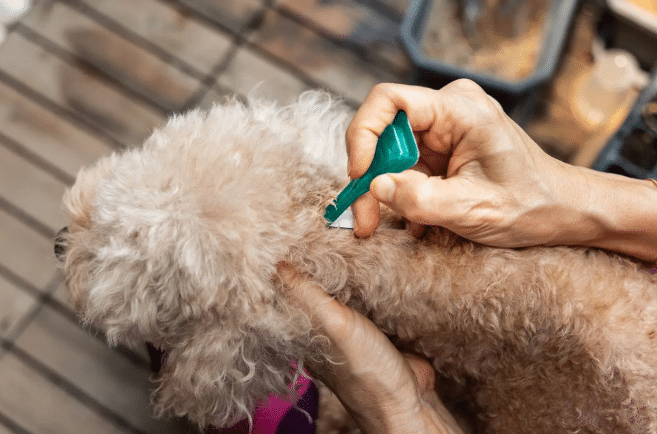
Prevention is always better than cure, especially when it comes to flea allergies. Implementing a consistent flea prevention routine is the most effective way to avoid infestations and reduce allergic flare-ups. Your veterinarian can recommend monthly topical treatments, oral medications, or collars that provide long-lasting protection. Regularly inspecting your dog for fleas and flea dirt, particularly during peak outdoor seasons, helps catch any infestations early before they trigger dermatitis or severe allergic reactions.
Maintaining a clean environment is equally important in preventing flea problems. Frequently wash your dog’s bedding, toys, and any areas where they rest or spend considerable time. Vacuuming carpets, rugs, and upholstery regularly can remove flea eggs, larvae, and adult fleas, breaking their life cycle and minimizing the risk of re-infestation. Keep your yard tidy by mowing the grass and removing debris that could harbor fleas and ticks. These environmental controls, combined with consistent veterinary care, create a comprehensive approach to managing flea allergies.
Ongoing care involves monitoring your dog’s skin health, adjusting grooming routines as needed, and staying vigilant for signs of fleas or skin irritation. Establishing a routine with your vet helps create a personalized plan tailored to your dog’s specific needs and sensitivities. Educate yourself about potential triggers or environmental factors that could worsen your dog’s condition, and always prioritize gentle, non-irritating grooming practices. With proper prevention and attentive care, dogs with flea allergies can enjoy a comfortable, itch-free life.
Conclusion
Caring for a dog with flea allergies requires a thoughtful, gentle approach to grooming, combined with proactive prevention strategies. Understanding the signs of flea allergy dermatitis allows for early intervention, minimizing discomfort and skin damage. Employing effective grooming practices—such as using soothing shampoos, gentle brushes, and thorough inspections—helps keep fleas at bay and skin healthy. Choosing safe, hypoallergenic grooming products tailored for sensitive skin ensures that routine care does not cause additional stress or irritation.
Preventative measures, including consistent flea control treatments and environmental hygiene, play a vital role in managing allergic reactions over the long term. Regular veterinary check-ups, combined with vigilant observation, help maintain your dog’s skin health and overall happiness. By combining knowledge, gentle techniques, and preventative care, you can ensure that your flea-allergic dog remains comfortable, happy, and free from the discomfort associated with flea allergy dermatitis. The key is patience, consistency, and a caring attitude—your dog’s well-being depends on it.