


How to Properly Handle Dogs with Very Thick Beards: Tips for Care and Grooming
Dogs with very thick beards are a fascinating and adorable subset of canine companions. Their luscious, dense facial hair adds character and charm, but it also presents unique challenges in terms of grooming and hygiene. If you’re a proud owner of a bearded breed or considering adopting one, understanding how to properly care for their thick beards is essential for keeping your furry friend happy, healthy, and comfortable. In this article, we’ll explore the nuances of caring for dogs with very thick beards, covering everything from grooming techniques to outdoor management tips.
Whether you’re a seasoned pet owner or new to these fluffy-faced dogs, acquiring the right knowledge ensures you’re well-equipped to handle their grooming needs with confidence. Proper beard maintenance isn’t just about aesthetics; it’s about preventing skin issues, ensuring hygiene, and enhancing your dog’s overall well-being. Let’s dive into the key aspects of caring for these charming four-legged friends!
Understanding the Unique Needs of Dogs With Very Thick Beards
Dogs with thick beards, such as Schnauzers, Bassets, or certain terrier breeds, have a distinctive facial feature that requires specialized care. Their dense facial hair can trap dirt, food particles, and moisture, which can lead to skin irritation, infections, or unpleasant odors if not properly managed. Recognizing these unique needs is the first step toward effective grooming and maintenance.
One of the main considerations is airflow and hygiene. Thick beards can create a damp environment around the skin if not regularly cleaned and trimmed, fostering bacterial or yeast growth. This can cause skin infections or hot spots, especially in warmer or humid climates. Additionally, food debris and dirt often get lodged deep within the beard, making routine cleaning a necessity to prevent discomfort and maintain cleanliness.
Another important aspect is the breed-specific requirements and temperament. For example, Schnauzers are known for their distinctive "beard" and require regular trimming to keep it tidy and healthy. Some dogs may be more tolerant of grooming than others, so understanding your dog’s personality and grooming tolerance helps tailor an effective care plan. Consulting with a professional groomer familiar with your breed can provide personalized insights and ensure proper handling.
Finally, owners should be aware of potential health signs related to their dog’s beard area, such as redness, swelling, or foul odor, which may indicate underlying skin conditions. Regular inspection of the beard area allows early detection of problems, ensuring prompt treatment and ongoing comfort for your pet.
Proper Grooming Techniques for Thick-Bearded Dogs
Grooming a dog with a very thick beard involves careful, consistent techniques to keep the hair manageable and the skin healthy. The first step is establishing a routine that includes brushing, trimming, and cleaning. Regular brushing helps prevent mats and tangles, which can trap debris and cause discomfort. Use a slicker brush or a comb designed for thick fur, working gently from the roots to the tips to avoid pulling or hurting your dog.
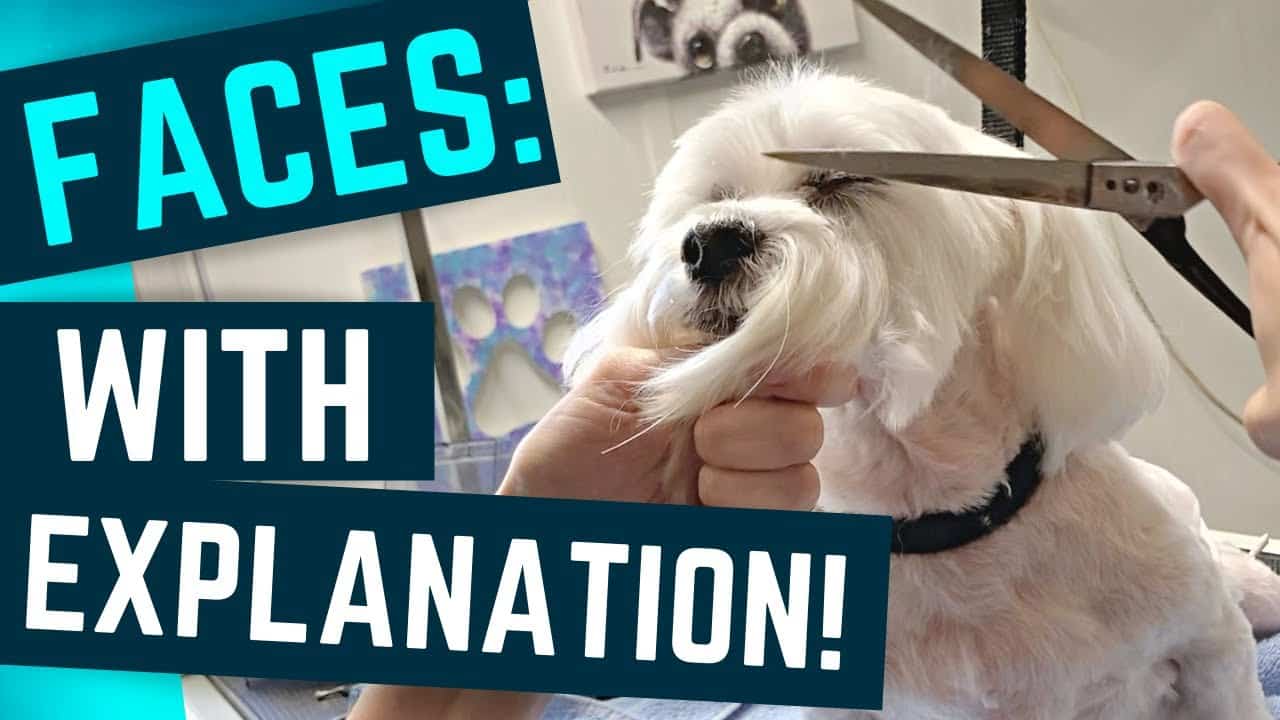
When it comes to trimming, precision is key. Use grooming scissors or clippers with a guard suited for the length you desire. Focus on trimming the hair around the eyes, mouth, and under the chin to prevent food and water from dripping into the beard and causing stains or odors. Be cautious around sensitive areas and take your time to avoid accidental cuts. If you’re unsure or uncomfortable trimming your dog’s beard, professional grooming services are a safe and effective option.
Cleaning the beard thoroughly after meals and outdoor activities is crucial. Use a damp washcloth or grooming wipes designed for dogs to gently wipe away dirt and debris. For deeper cleaning, a dog-safe beard shampoo can be used during bath time. Make sure to rinse thoroughly to remove any residual product, as leftover shampoo can cause dryness or irritation. Dry the beard completely with a towel or a low-heat blow dryer to prevent dampness from lingering, which can promote bacterial growth.
Lastly, incorporating routine checks into your grooming regimen helps maintain the health of your dog’s skin and fur. Regularly inspect for signs of skin irritation, parasites, or unusual growths, and address issues promptly. Consistency is vital—setting aside dedicated grooming time creates a bonding opportunity and ensures your dog feels comfortable and cared for during each session.
Selecting the Right Grooming Products and Tools for Bearded Dogs
Choosing appropriate grooming products and tools tailored for dogs with very thick beards makes a significant difference in their care routine. The right tools can make grooming easier, more effective, and less stressful for both you and your furry friend. A high-quality slicker brush, a fine-tooth comb, and grooming scissors are essential staples in your grooming arsenal.
For grooming tools, opt for stainless steel brushes and combs as they are durable, effective, and gentle on your dog’s skin. A slicker brush with fine, tightly-packed bristles helps remove loose hair, mats, and debris from the dense beard hair. A wide-tooth comb can then be used for detangling and ensuring no knots are missed, especially in thick or curly fur. When trimming, select grooming scissors with rounded tips for added safety, and always use them carefully to avoid accidental cuts near sensitive facial areas.
In terms of grooming products, choose shampoos and wipes formulated specifically for dogs with sensitive skin. Look for products free of harsh chemicals, artificial fragrances, and dyes that might irritate the skin beneath the beard. Moisturizing shampoos containing ingredients like oatmeal or aloe vera can soothe dryness and prevent skin irritation. Additionally, a beard conditioning spray can help keep facial hair soft, manageable, and free of tangles.
Don’t forget to include ear and eye cleaning supplies, as thick beards can sometimes trap dirt around these sensitive areas. Use vet-recommended ear cleaners and clean around the eyes gently with a damp cloth or specialized pads. Investing in quality grooming products tailored to your dog’s unique needs not only makes the grooming process smoother but also promotes healthier skin and coat over time.
Maintaining Hygiene and Preventing Skin Issues in Thick-Bearded Dogs
Hygiene is a crucial element in caring for dogs with very thick beards. Without proper maintenance, the accumulation of food particles, dirt, and moisture can lead to bacterial and fungal infections, skin rashes, or hot spots. Establishing a daily or every-other-day cleaning routine ensures your dog’s face stays fresh and healthy, preventing issues before they develop into more serious problems.
Start by wiping down the beard with a damp, soft cloth or grooming wipes designed for dogs. Focus on areas where food or water tend to collect, especially after meals or outdoor play. For more thorough cleaning, occasionally use a mild, dog-safe shampoo during bath time, paying special attention to rinsing out all residues. After washing, dry the beard thoroughly with a towel or a low-heat blow dryer—damp hair can promote bacterial growth and cause skin irritation.
Monitoring your dog’s skin regularly helps catch any signs of irritation or infection early. Look for redness, swelling, foul odor, or flaky patches within the beard area. If you notice any abnormalities, consult your veterinarian promptly. Maintaining a balanced diet rich in omega fatty acids can also promote healthy skin and fur, reducing the likelihood of dry or irritated skin beneath the beard. External supplements or topical treatments prescribed by a vet can further support skin health if needed.
Additionally, keeping the surrounding environment clean minimizes dirt and bacteria that can get trapped in the beard. Regularly wash your dog’s bedding and toys, and ensure outdoor areas are free of trash or debris they might pick up during play. Preventive care combined with consistent hygiene routines keeps your dog comfortable, reduces grooming time, and ensures their facial area remains a source of joy, not concern.
Tips for Managing Beards During Outdoor Activities and Playtime
Outdoor activities and playful adventures are essential for your dog’s mental and physical health, but they also pose challenges for maintaining beard hygiene. Muddy paws, water splashes, and food snacking can quickly lead to a dirty or tangled beard. Implementing simple strategies can help you manage your dog’s beard effectively while enjoying outdoor fun together.
Before heading outside, consider applying a light coat of pet-safe beard conditioner or a leave-in spray that can help repel dirt and make post-activity cleaning easier. After outdoor play, have grooming wipes or a damp cloth on hand to quickly wipe away mud, saliva, or food debris from the beard. This routine minimizes dirt buildup and prevents it from settling deep into the fur, which could cause irritation or bad odors later on.
In wetter environments, such as rainy days or trips to the beach, extra care is needed. Rinse your dog’s beard with clean water to remove salt, sand, or mud immediately after coming indoors. Dry the facial hair thoroughly to prevent dampness that encourages bacterial growth. You might also consider using a waterproof or water-resistant beard cover or bib that keeps the beard clean and dry during outdoor play, especially in muddy or wet conditions.
Lastly, always keep grooming supplies accessible during outdoor excursions. Carry a small grooming kit with brushes, wipes, and drying cloths in your bag. Regularly checking and maintaining your dog’s beard during outdoor activities not only keeps them comfortable but also reduces grooming time afterward, making outdoor adventures more enjoyable for both of you. Remember, a clean and well-managed beard contributes significantly to your dog’s overall health and happiness.
Conclusion
Caring for dogs with very thick beards requires a dedicated approach that emphasizes hygiene, regular grooming, and mindful outdoor management. Recognizing the unique needs of these adorable breeds helps prevent skin issues, keeps their facial hair manageable, and enhances their comfort. Incorporating proper grooming techniques, choosing suitable products, and maintaining consistent hygiene routines are essential steps toward ensuring your dog’s beard remains healthy and beautiful.
Outdoor play adds joy to your dog’s life but also necessitates extra vigilance in beard care. By adopting proactive measures such as wiping down after outdoor activities and using protective grooming products, you can keep your dog’s beard clean and free of debris. Remember, patience and routine are key—your consistent efforts will result in a happy, healthy, and well-groomed companion.
Caring for a dog with a thick beard is more than just aesthetic upkeep; it’s about fostering their overall health and happiness. With the right tools, techniques, and attitude, you’ll not only keep their facial hair in top shape but also strengthen the bond you share with your furry friend. Happy grooming!