


Essential Grooming Tips for Outdoor Dogs: Keep Your Pet Clean and Healthy
Owning an outdoor dog is a joy — they love to explore, run, and enjoy the open air. But this adventurous lifestyle also comes with unique grooming challenges. Dirt, mud, plants, and pests are part of their everyday environment, making regular grooming not just about looks but a vital step in keeping your pet healthy and comfortable. Proper grooming helps prevent infections, skin irritations, and other health issues that can arise from exposure to outdoor elements. Whether you’re a first-time dog owner or a seasoned pet parent, understanding the essentials of outdoor dog grooming is key to ensuring your furry friend stays clean, healthy, and happy.
In this comprehensive guide, we’ll dive into the crucial grooming practices tailored for outdoor dogs. From choosing the right tools and techniques for bathing to maintaining coat health and managing pests, we’ll cover everything you need to know. So, let’s get started and discover how to keep your outdoor companion in tip-top shape!
Essential Grooming Tools for Outdoor Dogs
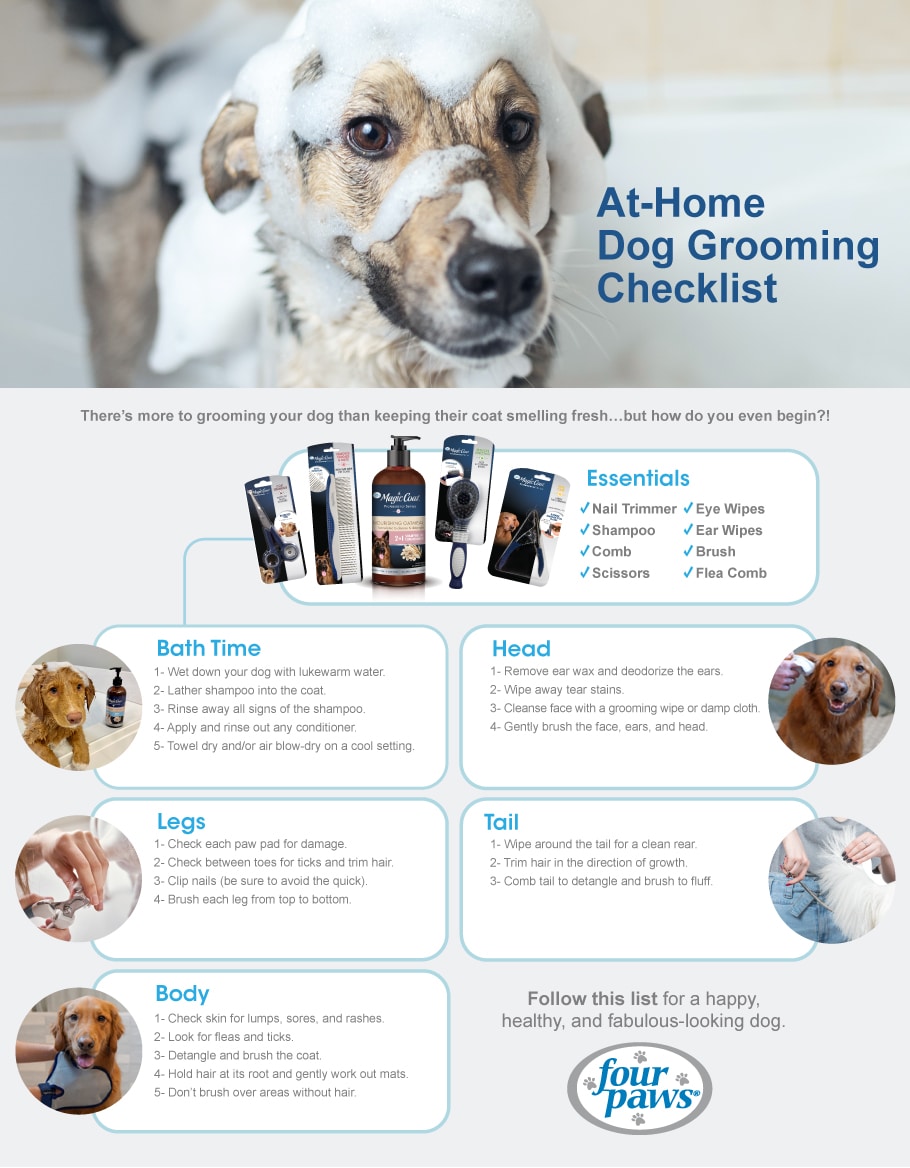
The foundation of good grooming starts with having the right tools. Outdoor dogs often require specialized equipment to combat dirt, mud, and outdoor debris effectively. A high-quality brush or comb suited to your dog’s coat type is essential — whether your pup has a short, wiry, or long fluffy coat. This helps remove loose fur, dirt, and tangles, especially after outdoor adventures. Additionally, a durable dog shampoo formulated for outdoor use can help clean and protect their skin from environmental irritants.
Investing in grooming tools like nail clippers, paw wipes, and a slicker brush ensures you’re prepared for all grooming needs. Nail trimmers designed specifically for dogs make trimming easier and prevent painful overgrowth that can trap dirt or cause discomfort. Paw care is equally important — look for paw balm or wax to protect pads from rough terrain, ice, or hot pavement. Don’t forget a fine-tooth comb or undercoat rake if your dog has a thick coat, as removing dead hair can improve overall coat health and prevent matting.
Beyond the basics, consider tools like a de-shedding tool if your dog sheds heavily, or a waterproof grooming apron to keep yourself clean during baths. It’s also wise to keep a supply of clean towels and a portable water spray bottle handy. Having the right tools not only makes grooming more effective but also more enjoyable for both you and your dog, encouraging regular maintenance rather than reactive grooming when issues arise.
Proper Bathing and Cleaning Techniques for Dogs in the Outdoors
Bathing an outdoor dog requires special attention to ensure thorough cleaning without causing stress or skin issues. While outdoor dogs tend to get dirtier than indoor pets, frequent baths can strip natural oils, so it’s important to find the right balance. Use a gentle, pet-safe shampoo suited for outdoor conditions — look for formulas that are environmentally friendly and free from harsh chemicals. When bathing, wet your dog thoroughly, paying close attention to areas like the belly, underarms, and between paw pads where dirt and debris tend to accumulate.
Always rinse your pet thoroughly to remove all shampoo residues, as leftover product can cause skin irritation, especially in outdoor environments where their skin might already be sensitive. For stubborn mud or debris, a pre-wash with a damp cloth or wipes can help lift dirt before the bath. If your dog hates water, try making the experience positive with treats and praise, and consider using a handheld showerhead or a bucket system for easier rinsing. Additionally, ensure the bathing area is safe, warm, and free of hazards, and dry your dog well afterward to prevent chills.
In outdoor settings, it’s also beneficial to incorporate cleaning routines beyond baths. Wiping down paws after walks, checking ears for dirt or pests, and using rinses designed to reduce odors can significantly improve your dog’s hygiene. Regular baths not only keep your dog looking clean but also allow you to inspect their skin for signs of irritation or parasites, which are common in outdoor environments.
Maintaining Coat Health and Managing Dirt and Debris
An outdoor dog’s coat is constantly exposed to elements that can cause tangles, matting, and skin issues if not properly maintained. Regular brushing is essential — it helps break up dirt, loose fur, and dead skin cells while distributing natural oils that keep the coat healthy and shiny. For breeds with long or thick coats, daily grooming might be necessary, especially after outdoor play, to prevent mats and tangles from forming.
Beyond brushing, routine checks for dirt, plant material, or other debris lodged in the coat are crucial. Removing dirt and debris quickly prevents matting and reduces the risk of skin infections. Use a gentle comb or a specialized undercoat rake to get through thick or matted fur, and always be gentle to avoid causing discomfort or skin irritation. For stubborn dirt, a damp cloth or pet-safe wipes can be effective for spot cleaning, especially on sensitive areas like the face and paws.
Nutrition also plays a vital role in maintaining a healthy coat. A balanced diet rich in omega-3 fatty acids, vitamins, and minerals supports skin health and coat shine. Regular grooming combined with proper nutrition helps your outdoor dog stay comfortable, reduces shedding indoors, and keeps skin resilient against environmental challenges. Remember, a well-maintained coat is not just about appearance — it’s a key indicator of your dog’s overall health.
Nail Trimming and Paw Care for Active Outdoor Dogs
Active outdoor dogs often wear down their nails naturally through running and digging, but sometimes nails can grow too long and cause discomfort or even injury. Regular nail trimming is essential to prevent painful splitting, cracking, or snagging on outdoor debris. Use a dog-specific nail clipper or grinder, and trim only the tip of the nail to avoid hitting the quick — the sensitive part inside the nail that can bleed and cause pain if cut too deep.
Paw care is equally important for outdoor dogs. Their paw pads endure rough terrain, mud, snow, and hot pavement, which can cause cracking, bleeding, or infections if not properly protected. Applying a protective paw balm or wax can help keep the pads moisturized and resistant to harsh conditions. After outdoor excursions, inspect paws for cuts, embedded debris, or foreign objects like thorns or splinters. Clean any dirt or mud from between the toes with warm water and mild soap, and dry thoroughly to prevent fungal infections.
In extreme weather conditions, additional precautions may be necessary. During winter, snow and ice can cause frostbite or cracks in paw pads, so consider using dog booties for added protection. In hot weather, avoid walking during peak heat hours to prevent paw burns or heat exhaustion. Regular paw maintenance and nail trimming enhance your dog’s comfort and mobility, allowing them to continue exploring outdoors safely.
Preventing and Treating Skin Irritations and Parasites in Outdoor Environments
Outdoor environments pose a higher risk for skin irritations and parasitic infestations like fleas, ticks, and mites. Prevention begins with regular grooming and thorough inspections. Use a flea comb during grooming sessions to detect early signs of pests, and consider veterinarian-recommended preventative treatments such as topical or oral medications. Keeping your yard clean and free of tall grass, leaf litter, and debris reduces the likelihood of pests latching onto your dog.
Skin irritations can result from contact with plants, insect bites, or environmental allergens. Regularly inspect your dog’s skin for redness, swelling, or sores, especially in areas prone to irritation like the belly, groin, and paws. If you notice any persistent irritation or signs of infection, seek veterinary advice promptly. Applying soothing sprays or medicated shampoos can help alleviate discomfort and prevent worsening conditions, but always choose products formulated specifically for dogs.
Addressing skin issues and parasites proactively is central to outdoor dog grooming. Maintaining a clean environment, practicing regular grooming routines, and administering parasite preventatives are your best defenses. Routine health checks, combined with prompt treatment of any skin irritations, will keep your outdoor dog comfortable and healthy, allowing them to enjoy their outdoor adventures with less worry about health risks.
Conclusion
Caring for an outdoor dog involves more than just providing plenty of exercise and love — it requires diligent grooming to keep them clean, healthy, and comfortable. From selecting the right grooming tools to mastering bathing techniques, managing coat health, and caring for paws and nails, every step plays a role in supporting your dog’s well-being. Vigilance against skin irritations and parasites ensures they remain safe and free from common outdoor hazards. With consistent grooming routines, proper tools, and proactive health checks, you’ll not only enhance your dog’s quality of life but also strengthen the bond you share.
So, embrace grooming as an essential part of outdoor pet care, and your furry friend will thank you with endless tail wags, happy adventures, and good health. Remember, a well-groomed dog is a happy and healthy companion — so stay attentive, stay prepared, and enjoy every outdoor moment together!