
Best Grooming Tools for Dogs With Rough Coats: Keep Your Pup Looking Great
Owning a dog with a rough coat is a rewarding experience, but it also comes with unique grooming challenges. These textured coats are beautiful and distinctive, often requiring special tools and techniques to keep them healthy, shiny, and free of mats or dirt. Whether you’re a seasoned dog owner or new to the world of rough-coated breeds like terriers, collies, or sheepdogs, understanding how to properly groom your furry friend is essential for their comfort and appearance. This article covers everything from the best grooming tools to effective brushing techniques, helping you maintain your dog’s coat with confidence and ease.
Understanding the Unique Needs of Dogs with Rough Coats
Dogs with rough coats have coats characterized by coarse, textured hair that often grows in a dense, wiry, or bristly manner. These breeds, which include popular options like Border Terriers, Irish Terriers, and Old English Sheepdogs, need regular grooming to prevent their coats from becoming tangled, matted, or dirty. Unlike dogs with smooth coats, their textured fur doesn’t shed as easily, meaning grooming is a proactive process—not just a maintenance task—necessary to keep their coat in top shape.
One of the key considerations for rough-coated dogs is their skin health. The coarse hair provides a natural barrier against environmental elements, but it also traps dirt, debris, and moisture if not cleaned regularly. This can lead to skin irritation or infections if left unaddressed. Regular grooming helps in detecting early signs of skin problems, parasites, or irritation. It’s also vital for maintaining the natural oils of the coat, which can be stripped away if grooming isn’t performed correctly, leading to dryness or dullness.
Grooming frequency varies depending on the breed and individual dog, but most rough-coated breeds benefit from being brushed at least once or twice a week. During shedding seasons, more frequent brushing is often necessary to remove loose fur and prevent mats from forming. Understanding your dog’s coat type, activity level, and environment will help you develop a grooming routine that keeps their coat healthy and looking its best.
Essential Grooming Tools for Maintaining a Rough-Coated Dog’s Coat
To properly care for a rough-coated dog, having the right set of grooming tools is crucial. The quality and appropriateness of tools directly impact the effectiveness of grooming sessions and your dog’s comfort. Investing in the right equipment ensures that grooming becomes a manageable, even enjoyable process rather than a stressful chore.
Brushing Tools:
- Pin Brush or Slicker Brush: A high-quality pin brush with rounded tips helps detangle coarse fur without causing discomfort. For rough coats, a slicker brush with fine, sturdy wires is excellent for removing loose fur and preventing mats. Choose a tool with a comfortable handle for longer grooming sessions.
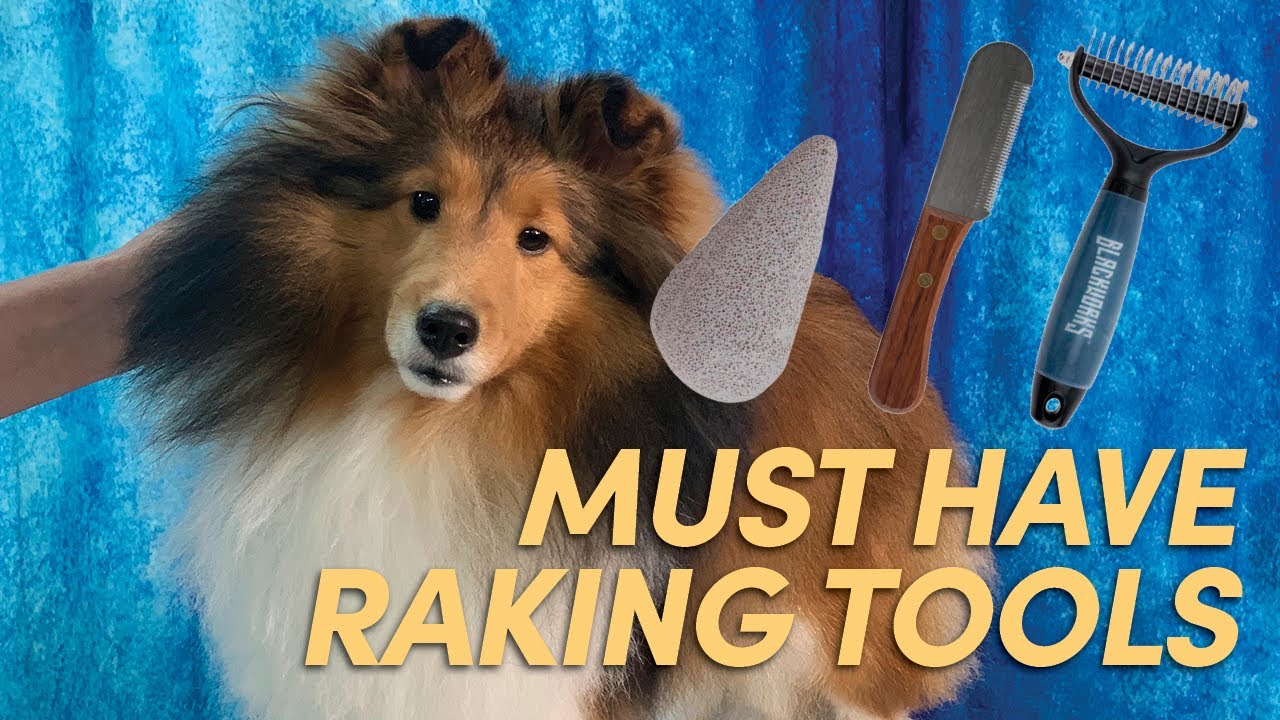
- Undercoat Rake: This tool is designed to reach beneath the topcoat and remove loose undercoat hair. It is especially helpful during shedding seasons to reduce hair around the house and prevent mats from forming. Use it gently to avoid irritating the skin.
De-matting Tools:
- Dematting Comb or Mat Breaker: For stubborn mats, a dematting comb with sharp blades can be very effective. Always approach mats carefully to avoid painful pulls, and consider professional help for severe tangles.
- Grooming Scissors: Sharp scissors are useful for trimming any uneven fur or small mats that cannot be brushed out. Use blunt-tipped scissors for safety, especially around sensitive areas.
Additional Grooming Accessories:
- Nail Clippers: Keeping your dog’s nails trimmed prevents discomfort and damage to their coat from scratching.
- Dog Shampoo and Conditioner: Specialized products formulated for textured coats help maintain coat health and manageability.
Choosing tools made specifically for rough coats ensures you don’t damage the thick, wiry hair or cause discomfort. Regularly cleaning your grooming tools also prolongs their lifespan and maintains hygiene standards, further ensuring a positive grooming experience for your dog.
Techniques for Effective Brushing and Deshedding of Rough Fur
Brushing a rough-coated dog isn’t just about removing loose hair; it’s about maintaining the integrity of the coat, supporting skin health, and preventing mats. Proper technique not only makes grooming more effective but also keeps your dog comfortable and engaged throughout the process.
Start by choosing a quiet, calm environment to help your dog relax. Before beginning, inspect the coat for any mats or tangles. For areas prone to mats, such as behind the ears, underarms, or around the collar, work slowly and gently to avoid pulling on the hair or causing discomfort. Use your fingers or a wide-tooth comb to loosen tight tangles before using a brush, reducing pain and breakage.
When brushing, always follow the grain of the coat, moving in small, gentle strokes. Use a slicker brush or pin brush to lift away loose fur and detangle. For undercoat removal, an undercoat rake is especially helpful—gently working through the dense fur to pull out excess hair without harming the skin. Remember to brush in multiple directions for thorough coverage, but avoid over-brushing sensitive areas, such as the belly or face.
Deshedding tools are vital during shedding seasons. These tools, like de-shedding combs or rakes, help remove the loose undercoat before it falls out all over your home. Regular use prevents mats and reduces shedding, which is both good for your dog and your furniture. Always be gentle, and if you encounter resistance, pause to detangle rather than force the brush through, which can cause discomfort or damage the coat.
Selecting the Right Shampoo and Conditioner for Textured Coats
Using the appropriate grooming products is essential for maintaining the health and appearance of a rough coat. Textured coats tend to trap dirt and oils more than smoother coats, so choosing a shampoo that thoroughly cleans without stripping natural oils is important. Look for shampoos formulated specifically for wiry or textured coats, often containing ingredients like oatmeal, aloe vera, or tea tree oil to soothe the skin and promote healthy coat growth.
When selecting a shampoo, avoid harsh, fragrance-heavy products that can irritate sensitive skin or dry out the coat. Instead, opt for gentle, hypoallergenic formulas designed for dogs with coarse or wiry fur. These shampoos typically have a balanced pH and are free from sulfates or parabens, making them suitable for regular use. For added coat conditioning, follow up with a conditioner designed to moisturize and help manage textured hair, making it easier to brush and reducing the risk of mats.
For dogs prone to skin issues or allergies, medicated or specialty shampoos may be necessary. Consult your veterinarian for recommendations tailored to your dog’s needs. Always ensure thorough rinsing to remove all product residue, which can cause irritation if left on the skin. Properly cleansing your dog’s coat not only keeps it looking shiny and healthy but also supports overall skin health, reducing itchiness and discomfort associated with dirt buildup or dermatitis.
Tips for Preventing Matting and Ensuring Healthy Coat Growth
Prevention is the key to maintaining a beautiful, healthy coat in rough-coated dogs. Regular grooming routines that include consistent brushing, bathing, and coat inspections significantly reduce the likelihood of mats forming and improve overall coat health. Developing a grooming schedule suited to your dog’s breed and activity level ensures that their coat remains manageable and free of tangles.
One of the most effective strategies for preventing matting is to establish a daily or every-other-day brushing routine. Focus on problem areas that are more prone to tangling, such as behind the ears, around the collar, and under the legs. Using the correct grooming tools, like slicker brushes and undercoat rakes, will help in removing loose fur before it becomes matted. During shedding seasons, increased brushing is especially critical to prevent loose hair from clumping and tangling.
Proper nutrition also plays a vital role in healthy coat growth. A balanced diet rich in omega-3 and omega-6 fatty acids promotes a shiny, thick coat and supports skin health. Regular baths with suitable grooming products, combined with protective measures like trimming overgrown hair and managing moisture exposure, help maintain coat integrity. If your dog has persistent coat issues or skin problems, consult with your veterinarian or a professional groomer for personalized advice and tailored grooming routines.
Conclusion
Grooming dogs with rough coats may seem daunting at first, but with the right tools and techniques, it can become an enjoyable bonding experience. Understanding your dog’s unique coat needs—from the importance of regular brushing to choosing the proper shampoos—ensures their coat remains healthy, shiny, and free of mats. Essential grooming tools like slicker brushes, undercoat rakes, and quality shampoos are investments that pay off in a well-maintained, happy pup.
By implementing effective brushing techniques and preventive care strategies, you can significantly reduce grooming stress for both you and your dog. Consistent care, combined with a nutritious diet and attentive coat management, promotes healthy growth and keeps your rough-coated dog looking their best. Remember, a well-groomed dog isn’t just about appearance—it’s about their comfort, health, and your shared joy. So grab those brushes, pick the right products, and enjoy the grooming journey with your furry friend!