


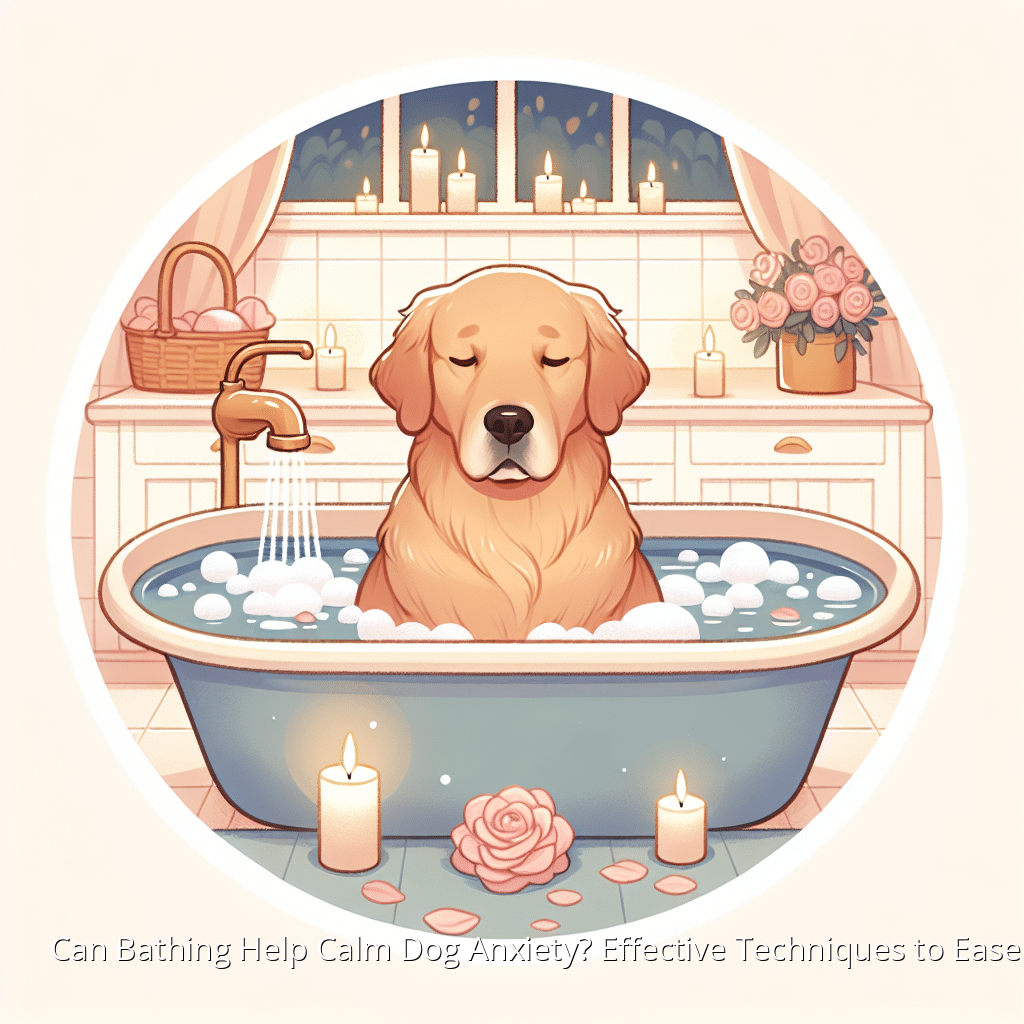
Can Bathing Help Calm Dog Anxiety? Effective Techniques to Ease Stress
If you’ve ever watched your dog tremble, hide, or exhibit other signs of stress, you know how distressing canine anxiety can be—for both pet and owner. While some dogs are naturally more anxious than others, many pet parents seek simple, effective ways to soothe their furry friends. Among these methods, bathing often stands out as a calming activity, but does it really work? In this article, we’ll explore whether bathing can help calm anxious dogs, discuss proven techniques, and provide additional tips to create a relaxing environment for your pet. Whether your dog is prone to separation anxiety, noise phobias, or generalized stress, understanding how bathing fits into their calming routine can make a big difference.
Understanding Dog Anxiety and Its Common Causes
Dog anxiety is a complex emotional state that manifests through behaviors like excessive barking, pacing, trembling, or destructive chewing. It’s often rooted in fear, frustration, or a lack of confidence, and can significantly impact a dog’s quality of life. Recognizing the causes of anxiety is the first step toward effective management. Common triggers include loud noises such as thunderstorms or fireworks, separation from their owners, unfamiliar environments, or past traumatic experiences. Some breeds are also genetically predisposed to higher anxiety levels, making personalized approaches essential.
Environmental factors play a large role in a dog’s stress levels. For example, inconsistent routines or a chaotic household can exacerbate anxiety. Conversely, a calm and predictable environment helps dogs feel more secure. Physical health issues—like pain from arthritis or other medical conditions—can also contribute to behavioral stress. Therefore, it’s crucial for owners to observe their dog’s behavior carefully and consult with a veterinarian to rule out underlying health problems that may be causing or worsening anxiety.
Finally, anxiety in dogs isn’t always easy to detect. Signs like trembling, excessive licking, yawning, or avoiding eye contact are common indicators of stress. Some dogs may become clingy or seek constant reassurance, while others might display aggression or destructive tendencies. Understanding these signs helps owners to intervene early with calming techniques, including bathing routines, that can serve as part of a broader stress-relief strategy.
The Potential Calming Effects of Bathing on Anxious Dogs
Bathing is often viewed merely as a hygiene activity, but for some dogs, it can serve as a soothing ritual that reduces anxiety. The sensory experience of warm water, gentle massaging, and the familiar scent of grooming products can trigger relaxation pathways in a dog’s brain. The act of bathing, if done calmly and consistently, can help create positive associations, especially when paired with treats and praise. This association can gradually diminish fear responses related to grooming or water contact.
Research into animal behavior suggests that tactile stimulation—like petting or gentle massage—can release endorphins, the body’s natural stress-relievers. When dogs are bathed with calm, slow movements, the rhythmic pattern can mimic massage techniques used in canine therapy, promoting a sense of security. Moreover, the warm water and soothing sounds of running water can have a sedative effect, helping to lower heart rate and reduce cortisol levels, which are indicators of stress. This makes bathing not just a cleansing ritual but a potential tool for calming anxious dogs.
However, it’s important to note that bathing may not be inherently calming for all dogs—especially those with severe water phobias or traumatic past experiences involving baths. For these pets, forced baths might increase anxiety rather than alleviate it. Therefore, gradual desensitization and positive reinforcement are key. When approached carefully, bathing can become a safe, predictable activity that helps dogs learn to associate water with comfort rather than fear.
Techniques for Using Bathing as a Soothing Ritual for Dogs
Transforming bath time into a calming experience requires patience, consistency, and the right approach. Start by gradually introducing your dog to the bathing environment outside of actual baths—let them explore the tub or bathing area, and reward calm behavior with treats. Use positive reinforcement to build trust and ensure your dog associates the space with good things. When it’s time to bathe, keep the environment quiet and free of sudden noises to prevent startling your pet.
During the bath, use lukewarm water—extreme temperatures can cause discomfort or stress. Speak softly and soothingly throughout the process to reinforce a sense of safety. Gentle, slow movements are more effective than hurried scrubbing, and this mimics comforting massage techniques. Incorporate calming products such as lavender-scented grooming sprays or shampoos formulated for stress relief, which can enhance the relaxing effect. Be sure to rinse thoroughly and dry your dog gently, avoiding rough towels or excessive handling that could increase anxiety.
Timing and routine are crucial. Establish a consistent bathing schedule—perhaps once every few weeks—so your dog knows what to expect. If your pet is particularly anxious, consider doing shorter sessions or breaking the process into stages, like just soaking the paws or rinsing the face first. You can also add calming accessories such as a anxiety wrap or calming vest during bath time to provide additional comfort. Remember, patience and gentle handling are key; never force your dog into a bath if they’re overwhelmed.
Additional Calming Strategies to Complement Bathing Routine
While bathing can be a beneficial part of a stress-relief routine, it’s most effective when combined with other calming strategies. Providing a safe, quiet space where your dog can retreat when feeling overwhelmed is essential. This could be a cozy crate or a designated corner with their favorite blanket and toys—creating a sanctuary where they feel secure. White noise machines or calming music can also help drown out stressful external stimuli like thunderstorms or sirens, promoting a peaceful environment.
Training and behavior modification techniques are powerful tools for managing anxiety long-term. Desensitization and counter-conditioning involve gradually exposing your dog to stress triggers in controlled ways, paired with positive reinforcement. For example, if your dog fears loud sounds, start with recordings at low volume and slowly increase as they become more comfortable. Consistency and patience are critical, and working with a professional trainer or animal behaviorist can provide tailored guidance. These techniques help build resilience and reduce overall anxiety levels.
Additionally, mental stimulation and regular exercise help burn off excess nervous energy, making dogs more relaxed at rest. Puzzle toys, scent work, and interactive games keep their minds engaged and distract from stressful stimuli. Consider incorporating calming supplements or pheromone diffusers, which release synthetic calming pheromones shown to reduce stress in dogs. When combined with a calming bathing routine, these strategies can significantly improve your dog’s emotional well-being.
Tips for Creating a Relaxing Bathing Environment for Your Dog
Creating a calm, inviting environment for bath time is vital for reducing anxiety. Start by choosing a quiet, warm room with minimal distractions. Dim the lights and eliminate loud noises to prevent startling your dog. Set out all necessary supplies—shampoo, towels, treats—within reach so you don’t have to leave your pet unattended or move around unnecessarily during the process. Having everything prepared beforehand helps keep the environment calm and organized.
Use non-slip mats in the tub or sink to prevent your dog from slipping, which can cause fear or panic. Incorporate soothing scents such as lavender or chamomile with dog-safe shampoos or sprays, as they have known calming properties. Playing soft, calming music during bath time can also help. The goal is to make the space feel safe and predictable, so your dog can relax rather than associate the area with distress. Gentle handling and slow, deliberate movements are critical throughout.
Finally, always end the bath session on a positive note. Offer praise, treats, or a favorite toy when your dog shows calm behavior. If your dog becomes overwhelmed, take a break, speak soothingly, and try again later. Consistency is key—over time, your dog will develop a more relaxed attitude toward bathing, making it a powerful part of their stress management toolkit. Remember, patience and empathy go a long way in transforming bath time into an enjoyable, calming ritual.
Conclusion
While bathing alone may not be a cure-all for dog anxiety, it can be a valuable component of a comprehensive stress-relief routine when approached thoughtfully. The sensory stimulation, gentle handling, and positive associations created during a calm bath can help soothe anxious dogs, especially when combined with other calming strategies like creating a safe environment, behavior modification, and physical activity. The key lies in consistency, patience, and understanding your dog’s individual needs. By transforming bath time into a positive, relaxing experience, you can not only maintain your dog’s hygiene but also foster emotional well-being. If your dog struggles with severe anxiety, consulting with a veterinarian or animal behaviorist can provide additional guidance tailored to their specific situation. With time and care, you can help your furry friend feel more secure, relaxed, and happy.