


Common Mistakes to Avoid When Managing Your Dog’s Nails
Keeping your dog’s nails healthy and well-trimmed is an essential part of responsible pet ownership. Overgrown or neglected nails can cause discomfort, lead to difficulty walking, or even result in serious health issues. While many dog owners want to ensure their furry friends are comfortable and well-groomed, there are common pitfalls that can make nail trimming stressful or harmful for both you and your pet. This article aims to guide you through the most frequent mistakes owners make in managing their dog’s nails, and how to avoid them for a safer, more effective grooming routine. Whether you’re a new dog owner or looking to improve your nail care skills, understanding these points will help you foster a positive experience for your dog and maintain their paw health.
Common Nail Clipping Mistakes That Can Harm Your Dog
One of the biggest errors owners make when trimming their dog’s nails is rushing or using improper techniques, which can cause pain or injury. For example, many dog owners inadvertently cut into the quick—the sensitive area inside the nail that contains blood vessels and nerve endings—leading to bleeding, pain, and even infection. This mistake often occurs because the owner is unfamiliar with the anatomy of a dog’s nail, or because they are anxious themselves, projecting that stress onto their pet. To avoid this, it’s crucial to learn how to identify the quick, especially in dogs with dark nails where the quick is less visible. Using slow, deliberate cuts and stopping at the point just before the quick can prevent unnecessary injury.
Another common mistake is neglecting to check the overall condition of the nails before trimming. Overgrown nails tend to curl or crack, making them more difficult and painful to trim. Additionally, neglecting to address issues like cracked or split nails can cause pain or lead to bacterial infections. Regular inspection helps you catch these problems early and decide if professional veterinary help is necessary. Using dull or inappropriate tools also poses risks—these can crush or splinter nails, causing pain and potential infection. Investing in sharp, high-quality dog nail clippers or grinders and replacing dull blades regularly is essential for a safe grooming process.
Finally, many pet owners use the wrong technique or trim too aggressively, which can result in accidents or long-term discomfort. Some owners try to trim the nails in one quick cut, which increases the risk of slipping and injuring the paw. Instead, adopting a calm, slow approach allows you to maintain control and reduces stress for your dog. Also, avoid trimming too close to the quick in dogs with light-colored nails, but be extra cautious with dark nails where the quick isn’t visible. Learning to handle your dog gently, giving praise and treats, and being patient can make nail trimming a positive experience rather than a dreaded chore.
Proper Tools and Preparation for Safe Nail Trimming
Having the right tools is fundamental to avoiding mishaps during your dog’s nail grooming session. The most commonly used tools include nail clippers—either guillotine-style or scissors-style—and nail grinders or Dremels. Clippers are best suited for dogs with softer or shorter nails, whereas grinders are ideal for dogs with thick or fast-growing nails because they allow for more precise and gradual trimming, reducing the risk of cutting into the quick. Investing in high-quality, sharp tools not only makes trimming easier but also minimizes discomfort and injury. Regularly inspect your tools for dullness or damage, and replace them as needed to ensure a smooth trimming process.
Preparation is key before you even approach your dog’s paws. Find a quiet, comfortable environment where your dog feels safe and relaxed. Grooming after a walk or play session can be advantageous, as your dog may be more calm and tired. Before starting, gently handle your dog’s paws to get them used to the sensation of touch—this can prevent sudden jerks or resistance during trimming. Also, having treats on hand can help create a positive association with nail trimming, encouraging your dog to cooperate. If your dog is particularly anxious or aggressive, consider consulting a professional groomer or veterinarian for guidance, or even scheduling a visit to desensitize your pet gradually.
In addition, it’s advisable to have styptic powder or cornstarch nearby in case of accidental quick cuts. These substances help to quickly stop bleeding and prevent infection. Keeping your tools clean and sanitized is vital to prevent the spread of bacteria or fungi, which can cause infections if tools are contaminated. Proper preparation and using the right tools set a solid foundation for a safe and effective nail trimming routine, reducing stress and ensuring your dog’s paws remain healthy.
Techniques to Avoid Stress and Discomfort During Nail Maintenance
Creating a positive nail trimming experience involves more than just the right tools—it hinges on your technique and understanding your dog’s comfort levels. Start by approaching the task gradually, especially if your dog is new to grooming. Begin with short, frequent sessions—just a few minutes at a time—to build trust and reduce anxiety. Use gentle, calm voices and soft petting to soothe your dog, and always watch for signs of discomfort or stress, such as growling, trying to escape, or trembling. If your dog shows signs of distress, take a break and try again later, or seek professional help.
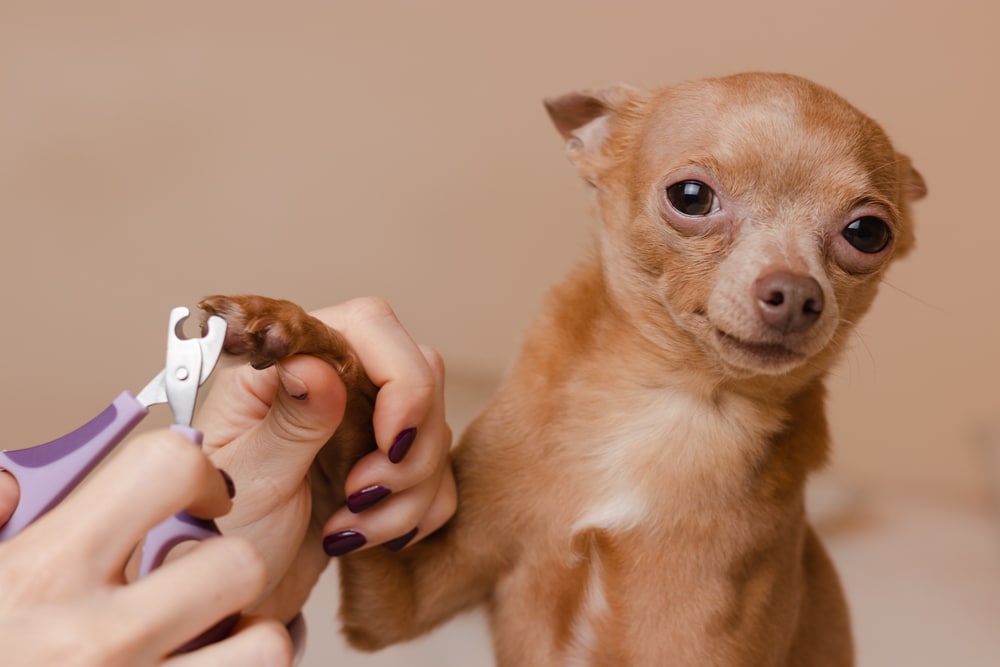
When trimming nails, always hold the paw firmly but gently to prevent sudden movements that could lead to injury. Position your dog comfortably—either sitting, lying down, or standing—whichever makes them feel most secure. Use slow, steady strokes, and avoid forcing the nails into awkward angles. If your dog is particularly sensitive, start by trimming only a small portion of each nail and gradually increase as they become more accustomed to the process. Praise and reward your dog frequently during and after the session, reinforcing positive associations with nail care.
Another important technique to reduce stress is to maintain a calm environment. Turn off loud noises or distractions, and ensure your workspace is quiet and free of interruptions. If your dog resists or becomes anxious, try distracting them with treats or gentle massages to divert their attention. Respect your dog’s limits—if they are too agitated, it’s better to reschedule than to force a procedure that can cause fear and mistrust. Patience, consistency, and positive reinforcement help create a stress-free environment that encourages cooperation and makes nail maintenance a routine your dog can tolerate and even enjoy over time.
Recognizing Signs of Nail Trimming Errors and Managing Bleeding
Even with the utmost care, mistakes can happen—especially if you’re new to nail trimming or if your dog’s nails are tricky to manage. The most obvious sign of a trimming error is bleeding, which often indicates that the quick has been cut. If this occurs, remain calm and apply pressure with a clean cloth or styptic powder to stop the bleeding. Applying a cold compress can also help constrict blood vessels and reduce swelling. It’s important to monitor the area for signs of infection or continued bleeding, and consult your veterinarian if bleeding persists or if there are signs of pain, swelling, or pus.
In addition to bleeding, signs of trimming errors include pain, refusal to allow paw handling, or limping after trimming. These symptoms may indicate that a nail was cut too short, causing discomfort or damage to the sensitive tissue. If your dog shows signs of pain or distress, it’s advisable to seek professional veterinary advice. In some cases, trimming too close can cause long-term sensitivity, leading your dog to avoid nail care altogether. Recognizing these signs early and managing them promptly helps maintain your dog’s trust and prevents further injury.
To prevent future errors, always inspect the nails carefully before trimming, and trim little by little rather than attempting to cut large sections at once. If you notice the quick is very close to the surface, take extra caution and trim only the tip of the nail. Regular trimming helps keep the quick receded, making future trims safer and easier. Most importantly, learn to identify when an error has occurred and act swiftly to manage it with appropriate first aid steps and veterinary guidance, fostering a safe, pain-free grooming routine for your beloved pet.
Tips for Establishing a Regular and Stress-Free Nail Care Routine
Consistency is key when it comes to maintaining healthy nails and reducing the stress associated with grooming. Establishing a regular schedule—typically every 2 to 4 weeks—helps keep nails at a comfortable length and prevents the quick from advancing too close to the tip. Regular trims make the process quicker, less stressful, and less painful over time because your dog becomes used to the sensation and routine. Use a reminder system or calendar to ensure this important grooming task becomes a routine part of your dog’s health care.
Creating a positive association with nail trimming involves patience and reward-based training. Start each session by giving treats and praise, even if you’re only handling paws or just trimming a tiny part of a nail. Over time, increase the duration of grooming sessions gradually, ensuring your dog remains relaxed and comfortable. Incorporate play and affection after trimming to reinforce the idea that nail care is a positive experience. Consistent, gentle handling also helps your dog tolerate paw inspections and prevent anxiety during future grooming sessions.
Lastly, be mindful of your own attitude and environment during nail care. Stay calm, patient, and gentle—dogs are highly perceptive to human emotions, and your anxiety can transfer to them. If you find yourself becoming frustrated or nervous, take a break and return when you’re both more relaxed. Consider seeking professional grooming services periodically for a quick check-up, especially if your dog resists trimming or if you’re unsure about your technique. With patience, consistency, and positive reinforcement, you can turn nail trimming into a routine that keeps your dog comfortable, healthy, and stress-free.
Conclusion
Keeping your dog’s nails healthy and well-maintained is a vital aspect of pet care that benefits your dog’s comfort, mobility, and overall health. Avoiding common mistakes like rushing, using improper tools, or trimming too aggressively can save your pet from pain and injury. Proper preparation, the right tools, and gentle techniques are essential for a safe trimming experience. Recognizing signs of error or bleeding early, and managing them calmly and effectively, reinforces a positive grooming routine. Establishing a regular, stress-free nail care schedule through patience, praise, and consistency not only minimizes discomfort but also builds trust between you and your furry friend.
Remember, every dog is unique—some may need professional grooming assistance, especially in the beginning. The key is to stay patient and gentle, making nail trimming a positive experience rather than a stressful chore. By following these guidelines and avoiding the pitfalls discussed, you’ll help ensure your dog’s paws stay healthy, pain-free, and ready for all of life’s adventures. Your effort and care in managing their nails not only improve their quality of life but strengthen the bond you share with your beloved pet.