

Effective Grooming Strategies for Shedding Control in Dogs and Cats
Dealing with shedding is one of the most common concerns pet owners face. While shedding is a natural part of a pet’s life, excessive or unmanaged hair loss can be frustrating and even problematic for both the pet and owner. Thankfully, with the right grooming strategies, nutritional support, and environmental management, you can significantly reduce shedding and keep your furry friends looking and feeling their best. This article dives deep into effective grooming techniques for controlling shedding in dogs and cats, covering everything from understanding coat types to choosing the right grooming tools.
Whether you’re a seasoned pet owner or new to caring for your pet’s coat, understanding the nuances of shedding is key. Each coat type, breed, and individual pet has unique needs, so a tailored approach is essential. Let’s explore how you can develop a comprehensive grooming routine that minimizes hair loss while promoting healthy, shiny coats.
Understanding Shedding Patterns and Causes in Different Coat Types
Shedding is a natural biological process that helps animals get rid of old or damaged hair. However, shedding patterns vary widely among different dog and cat breeds, influenced by their coat types, environment, and health status. Recognizing these patterns is the first step toward managing shedding effectively.
Coat Types Play a Major Role
Dogs and cats have various coat types—double coats, single coats, curly, short-haired, long-haired, and more. For example, double-coated breeds like Siberian Huskies or Golden Retrievers tend to shed heavily, especially during seasonal changes, because their undercoat is shed to adapt to temperature fluctuations. In contrast, single-coated breeds like Greyhounds shed less overall but may still experience seasonal or stress-related shedding. Long-haired breeds, such as Maine Coons or Afghan Hounds, often shed more visibly, but regular grooming can help manage this better.
Seasonal and Environmental Factors
Shedding often follows seasonal patterns—dogs and cats typically shed more in spring and fall as they prepare for temperature changes. Light exposure, humidity, and indoor climate can also influence shedding intensity. For example, pets kept indoors in heated environments during winter may shed less or more irregularly, depending on other factors like diet and health. Stress, illness, or hormonal imbalances (such as hypothyroidism) can also cause abnormal shedding, which should prompt a vet visit.
Understanding Individual Variability
While breed characteristics provide general guidelines, individual pets can shed differently due to genetics, age, and health. Some pets may shed heavily even in off-peak seasons, indicating underlying health issues or nutritional deficiencies. Monitoring your pet’s shedding habits over time can help you identify abnormal patterns and determine whether they need a health check or simply a better grooming routine.
In summary, understanding your pet’s specific coat type and shedding patterns helps in creating targeted grooming strategies. Recognizing seasonal influences and health factors ensures you address shedding comprehensively, rather than just managing the symptoms.
Implementing Effective Brushing and Grooming Routines to Minimize Hair Loss
Regular grooming is the cornerstone of shedding control. It not only helps remove loose hair before it spreads around your home but also promotes skin health, reduces matting, and enhances the overall appearance of your pet’s coat. An effective grooming routine is tailored to your pet’s coat type, age, and activity level, making consistency key.
Frequency and Technique Matter
For double-coated breeds or long-haired pets, daily brushing may be necessary during shedding seasons to effectively remove dead hair and prevent mat formation. Short-haired breeds may only require brushing a few times a week. Using the right technique—gentle, systematic strokes—ensures you remove loose hair without causing discomfort. For example, employing a slicker brush or undercoat rake helps reach the undercoat, where most shedding hair resides, especially in breeds like German Shepherds or Collies.
Creating a Positive Grooming Environment
Pets often resist grooming if it’s stressful or uncomfortable. Establish a routine that’s calm, positive, and rewarding. Use treats, praise, or play as incentives. Starting grooming sessions early in life helps your pet associate handling with positive experiences, reducing anxiety and resistance. Additionally, grooming in a well-lit, comfortable space with non-slip mats keeps your pet safe and relaxed during the process.
Complementing Brushing with Bathing and Skin Care
Occasional baths with veterinarian-approved shampoos can help loosen and remove loose hair. Proper bathing also hydrates skin, reducing dryness and irritation that contribute to shedding. Follow up with a thorough brushing session to remove loosened hair. However, over-bathing can strip natural oils and cause dryness, so consult your vet for a suitable bathing schedule. Regular grooming not only controls shedding but also provides an opportunity to check for skin issues, parasites, or other health concerns.
In essence, implementing a consistent, gentle grooming routine tailored to your pet’s coat type and needs is one of the most effective ways to minimize shedding. Patience and positive reinforcement make the process enjoyable for both you and your pet.
Nutritional Strategies and Supplements to Promote Healthy Coat Growth and Reduce Shedding
A balanced diet is fundamental to maintaining a healthy, shiny coat and minimizing excessive shedding. Nutritional deficiencies—particularly in essential fatty acids, vitamins, and minerals—can weaken hair follicles and lead to increased hair loss. Providing the right nutrients supports skin health, hair strength, and overall vitality.
Key Nutrients for Hair and Skin Health
Omega-3 and Omega-6 fatty acids are crucial for maintaining skin hydration and coat luster. These fatty acids help reduce inflammation and itchiness, which can otherwise cause pets to scratch and shed excessively. High-quality commercial diets often contain these nutrients, but supplements can be added if needed. Biotin, a B-vitamin, is also well-known for promoting healthy hair growth and preventing brittleness, especially in long-haired breeds.
Incorporating Nutritional Supplements
Supplements like fish oil, flaxseed oil, or specially formulated coat support supplements can enhance your pet’s coat health. When selecting supplements, opt for those with proven efficacy and consult your vet for appropriate dosages. Additionally, ensuring adequate protein intake is vital, as hair is primarily composed of keratin—an amino acid-rich protein. A diet rich in high-quality animal proteins supports strong, healthy hair and reduces shedding caused by nutritional deficits.
Monitoring and Adjusting Diets for Optimal Results
Observe your pet for signs of nutritional issues, such as dull coat, dry skin, or increased shedding. If needed, transition to a premium diet formulated for coat health or discuss dietary adjustments with your veterinarian. Remember, sudden changes in diet can upset digestion, so introduce new foods gradually. Hydration also plays a role; fresh water supports skin elasticity and overall health, reducing the likelihood of dry, flaky skin that leads to shedding.
In conclusion, a targeted nutritional approach—combining a balanced diet and beneficial supplements—can significantly improve your pet’s coat quality and reduce unwanted hair loss. Proper nutrition is a long-term investment that pays off in a healthier, shinier coat.
Environmental Management and Seasonal Grooming Tips for Shedding Control
Environmental factors significantly influence shedding patterns, and managing your pet’s surroundings can help mitigate excessive hair loss. Seasonal changes, indoor climate, and living conditions all play roles in how much your pet sheds and how comfortable they are during the process.
Control Indoor Climate and Humidity
Maintaining a stable indoor environment can make a difference. During winter months, heating systems tend to dry out the air, leading to dry skin and increased shedding. Using a humidifier can help keep skin moisturized and reduce hair loss. Conversely, providing shaded, cool spaces during hot months prevents overheating and stress, which can trigger shedding. Avoid sudden temperature fluctuations that can stress your pet’s body and coat cycle.
Seasonal Grooming and Shedding Tips
In preparation for seasonal shedding peaks, increase grooming frequency—daily brushing during spring and fall helps remove loose undercoat and prevents hair from accumulating around the house. Regularly vacuuming and washing pet bedding also reduces loose hair and dander. Consider scheduling professional grooming sessions before seasons of heavy shedding to help remove the undercoat systematically and promote a healthier coat cycle.
Environmental Enrichment to Reduce Stress-Induced Shedding
Stress is a major contributor to shedding irregularities. Creating a calm and enriching environment helps keep your pet’s stress levels down. Regular play, comfortable resting areas, and consistent routines all contribute to emotional well-being. For pets experiencing anxiety or stress—often caused by changes in environment or routine—consulting a veterinarian or animal behaviorist can be beneficial. Reduced stress levels lead to healthier skin and less shedding driven by anxiety.
In summary, managing your pet’s environment through climate control, seasonal grooming adjustments, and stress reduction techniques can significantly influence shedding patterns. A little proactive planning makes grooming less daunting and contributes to your pet’s overall well-being.
Choosing the Right Grooming Tools and Products for Optimal Shedding Management
The effectiveness of your grooming routine heavily depends on selecting the appropriate tools and grooming products. Using the right equipment not only makes grooming easier but also ensures gentle handling, which encourages your pet to cooperate and reduces discomfort.
Essential Grooming Tools for Shedding Control
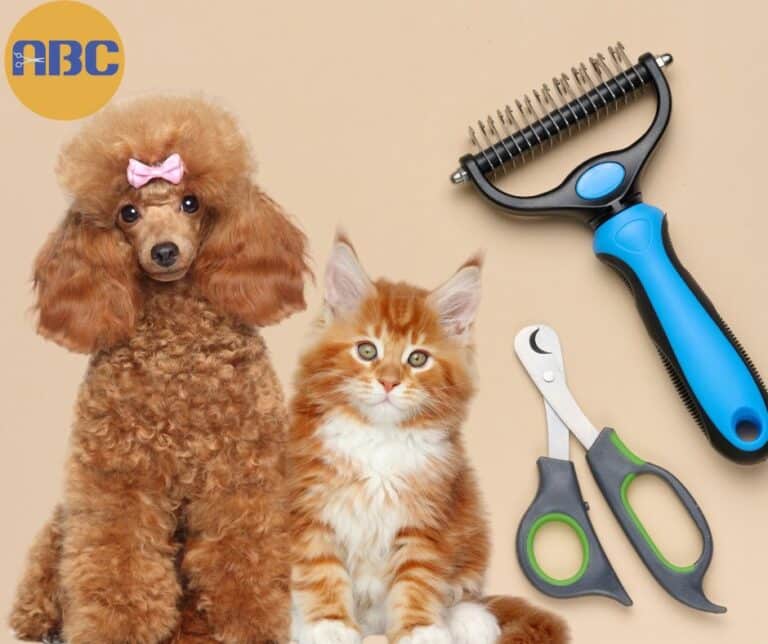
For most pets, a combination of brushes works best. A slicker brush effectively removes loose hair and reduces matting, especially in long-haired or double-coated breeds. Undercoat rakes are invaluable for reaching and removing dense undercoats, helping to minimize seasonal shedding. Rubber grooming gloves can also be helpful for pets that dislike brushes, as they gently lift loose hair and provide a soothing massage.
Choosing Pet-Safe Grooming Products
Select shampoos formulated for your pet’s coat and skin type. Oatmeal-based or hypoallergenic shampoos can soothe dry or irritated skin, reducing the itch-scratch cycle that leads to excessive shedding. Avoid harsh chemicals or human shampoos that can strip natural oils. Conditioners designed for pets can also enhance coat health, making hair less brittle and easier to manage.
Additional Products to Support Shedding Control
De-shedding sprays, coat serums, and topical treatments can complement grooming efforts. These products often contain ingredients like omega fatty acids or botanical extracts to strengthen hair and improve skin health. When using supplements or topical products, always follow veterinarian recommendations and check for any allergic reactions. Regular use of UV-protective sprays can also safeguard sensitive skin from sun damage, which can exacerbate shedding.
In choosing grooming tools and products, prioritizing quality and suitability for your pet’s specific coat type is crucial. Proper tools make grooming sessions more effective, less stressful, and ultimately more enjoyable for both pet and owner.
Conclusion
Controlling shedding in dogs and cats requires a combination of understanding your pet’s coat type, establishing consistent grooming routines, supporting healthy skin and coat through proper nutrition, managing their environment, and utilizing the right grooming tools and products. By tailoring these strategies to your pet’s unique needs, you can significantly reduce loose hair around your home, improve your pet’s comfort, and maintain a beautiful, healthy coat.
Remember, shedding is a natural process, but with patience, knowledge, and proactive care, it doesn’t have to be overwhelming. Regular grooming, nutritional support, and environmental adjustments are investments in your pet’s health and happiness. So start implementing these strategies today, and enjoy the bond that comes with caring for your furry friend’s well-being!