


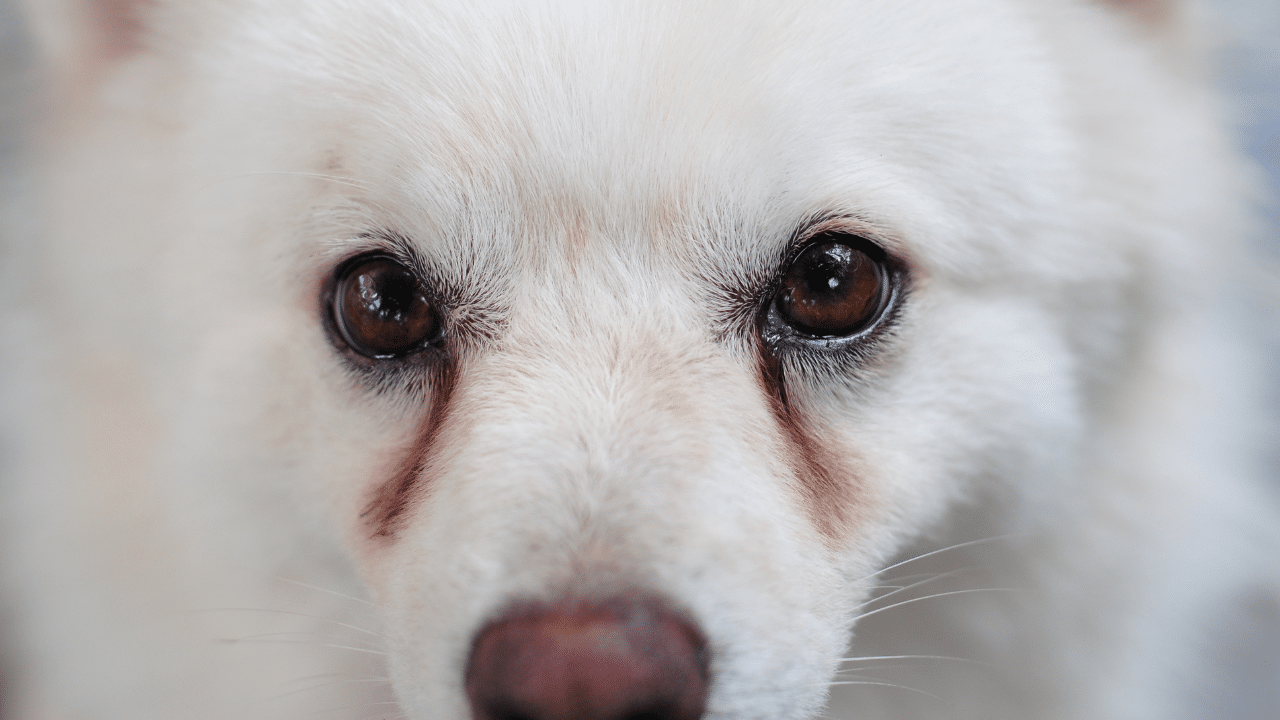
Effective Grooming Tips for Tear-Stain-Prone Dogs to Keep Their Eyes Clean
If you’re a dog owner, especially of breeds like Bulldogs, Shih Tzus, or Maltese, you’ve probably noticed those unsightly tear stains forming around your pup’s eyes. While tear stains are common in many small or flat-faced breeds, they can be both a cosmetic concern and a potential indicator of underlying health issues. Keeping your dog’s eyes clean and free from tear stains isn’t just about aesthetics; it’s about maintaining their overall eye health and comfort.
In this article, we’ll explore what causes tear stains, effective grooming techniques, tips for choosing the right cleaning products, daily routines to help minimize stains, and when to consult a vet for persistent problems. By understanding these key points, you can help your furry friend stay comfortable, clean, and happy.
Understanding Tear Stains and Their Causes in Dogs
Tear stains appear as reddish-brown streaks running down the face, primarily around the eyes, and are particularly prevalent in breeds with short noses or prominent facial folds. These stains result from excess tears that are not properly drained or evaporated, leading to bacterial and yeast growth that causes discoloration. The foremost step in managing tear stains is understanding their underlying causes, which can vary from breed-specific traits to health issues.
One common cause of tear staining is anatomical structure. Breeds with flat faces or prominent eyes tend to have less effective tear drainage systems, making it easier for tears to spill over the eyelids and onto the face. In such breeds, the tear ducts may be narrower or blocked, causing tears to overflow. Additionally, poor grooming that leaves hair in contact with the eyes can trap debris and promote staining.
Another significant factor is allergies and infections. Allergic reactions to environmental factors like pollen, dust, or certain foods can cause increased tear production, which can overwhelm tear drainage, leading to staining. Eye infections, such as conjunctivitis, or irritations caused by debris or foreign objects, also result in excess tears and subsequent staining. Underlying health problems such as dry eye syndrome (keratoconjunctivitis sicca) or blocked tear ducts can exacerbate the issue, making accurate diagnosis essential.
Effective Grooming Techniques for Tear-Stain-Prone Dogs
Proper grooming is the cornerstone of managing tear stains. Regularly cleaning your dog’s face and maintaining the hair around their eyes can significantly reduce stain formation. Start by gently trimming long fur around the eyes, ensuring no stray hairs irritate the eyes or trap debris that can promote staining. Use rounded scissors or grooming clippers designed for delicate facial areas, and always be cautious to avoid accidental injury.
Next, daily face cleaning is vital. Using a soft, damp cloth or cotton ball, gently wipe the area around the eyes to remove tear residues and prevent buildup. For breeds with heavier staining, you might consider using a specialized tear stain wipe or solution. When cleaning, always be gentle—rubbing too vigorously can irritate sensitive eye tissues or cause discomfort. Consistency is key; a daily routine helps keep stains at bay and prevents them from becoming deeply ingrained.
In addition to external cleaning, regular bathing with a dog-specific shampoo can help reduce bacteria and yeast that thrive on tear stains. Some shampoos contain natural ingredients like oatmeal or gentle enzymes that soothe irritated skin and help break down discoloration. Be cautious to avoid getting shampoo or cleaning solutions directly into your dog’s eyes, and always rinse thoroughly. Maintaining a clean, dry face region also discourages bacterial growth, which can worsen tear staining over time.
Selecting Appropriate Cleaning Products and Remedies
Choosing the right products is crucial for safely and effectively managing tear stains. Over-the-counter tear stain removers, often containing natural ingredients like hydrogen peroxide, witch hazel, or gentle enzymes, can be effective if used properly. Always select products designed specifically for dogs, as human products or harsh chemicals can cause irritation or allergic reactions. Reading labels carefully and consulting your veterinarian for recommendations can help you pick safe options.
Some products are formulated to address the bacteria or yeast that cause discoloration, while others focus on soothing irritated skin. For stubborn stains, a veterinarian might prescribe topical treatments or recommend specific cleansing solutions. Natural remedies, such as diluted apple cider vinegar or chamomile tea, can sometimes help reduce bacterial growth when used cautiously, but they should always be used with veterinary guidance to avoid unintended side effects.
It’s also important to monitor your dog’s skin for signs of irritation or allergic reactions to new products. If your dog shows increased redness, swelling, or discomfort after using a particular cleaning solution, discontinue use immediately and seek veterinary advice. Remember, consistent use of gentle, non-irritating products paired with regular grooming is often more effective than harsh or frequent chemical treatments that could harm sensitive eye tissues.
Daily Care Routines to Minimize Tear Stains
Establishing a consistent daily routine is one of the most effective ways to control tear stains over time. Start each day by gently wiping your dog’s face with a soft, damp cloth or tear stain wipe to remove any residual tear marks or dirt. This prevents stains from setting into the fur and reduces bacterial growth. Be sure to focus on the corners of the eyes and along the facial folds if your dog has them.
In addition to external cleaning, keeping the hair around the eyes trimmed regularly is essential. Shorter hair minimizes the chance of debris accumulation and allows for easier cleaning. Many owners find that trimming every few weeks, or as needed, helps keep the area dry and less prone to staining. Also, ensure your dog’s bedding is clean and dry, as damp or dirty bedding can harbor bacteria and exacerbate staining or skin irritations.
Diet also plays a role in tear stain management. Feeding a balanced, high-quality diet can help reduce allergies and promote healthy tear production. Some owners find that eliminating potential allergens or switching to hypoallergenic food reduces tear staining. Providing fresh water and encouraging hydration can help improve tear drainage, while avoiding excessive salt or processed foods supports overall eye health. Remember, managing tear stains is a combination of grooming, environmental control, and diet—consistency is your best ally.
When to Seek Veterinary Advice and Additional Treatment Options
While regular grooming and proper hygiene often manage tear stains effectively, persistent or worsening stains could signal underlying health issues requiring veterinary intervention. If your dog develops additional symptoms like redness, swelling, squinting, discharge, or signs of discomfort, seeing a vet promptly is essential. These signs might point to infections, allergies, or blocked tear ducts, which require targeted treatment.
In some cases, tear staining is caused by anatomical problems or tear duct obstructions that cannot be resolved with grooming alone. Your veterinarian may perform diagnostic tests such as dye testing or imaging to identify blockages or structural issues. Treatments could include medications to address infections or allergies, tear duct flushes to clear obstructions, or surgical options in severe cases. Addressing the root cause is crucial for long-term management and your dog’s comfort.
Additionally, if tear stains persist despite diligent grooming and cleaning, your vet may recommend specific medicated wipes or topical treatments. They might also suggest lifestyle modifications or dietary adjustments tailored to your dog’s needs. Regular veterinary checkups can help catch any potential health issues early and prevent tear stains from becoming a chronic problem. Remember, maintaining eye health is an ongoing process that benefits from professional guidance.
In Conclusion
Managing tear stains in dogs, especially those prone to excess tearing, involves a combination of proper grooming, choosing the right products, maintaining a consistent daily routine, and monitoring overall health. Understanding the causes of tear staining helps pinpoint whether it’s a breed trait or a sign of an underlying health issue. Effective grooming techniques—like gentle cleaning, trimming hair around the eyes, and bathing—can significantly reduce staining and keep your dog comfortable.
Selecting safe, gentle cleaning products tailored for dogs is essential to avoid irritation and support healthy tear drainage. Establishing a regular care routine that emphasizes hygiene, grooming, and diet can significantly minimize the appearance of tear stains over time. However, persistent or worsening symptoms should always prompt a visit to the veterinarian for evaluation and targeted treatment.
Taking proactive steps to keep your tear-stain-prone dog’s eyes clean not only improves their appearance but also enhances their overall well-being. With patience, consistency, and professional guidance, you can help your furry friend enjoy clearer, brighter eyes and a happier, healthier life.