


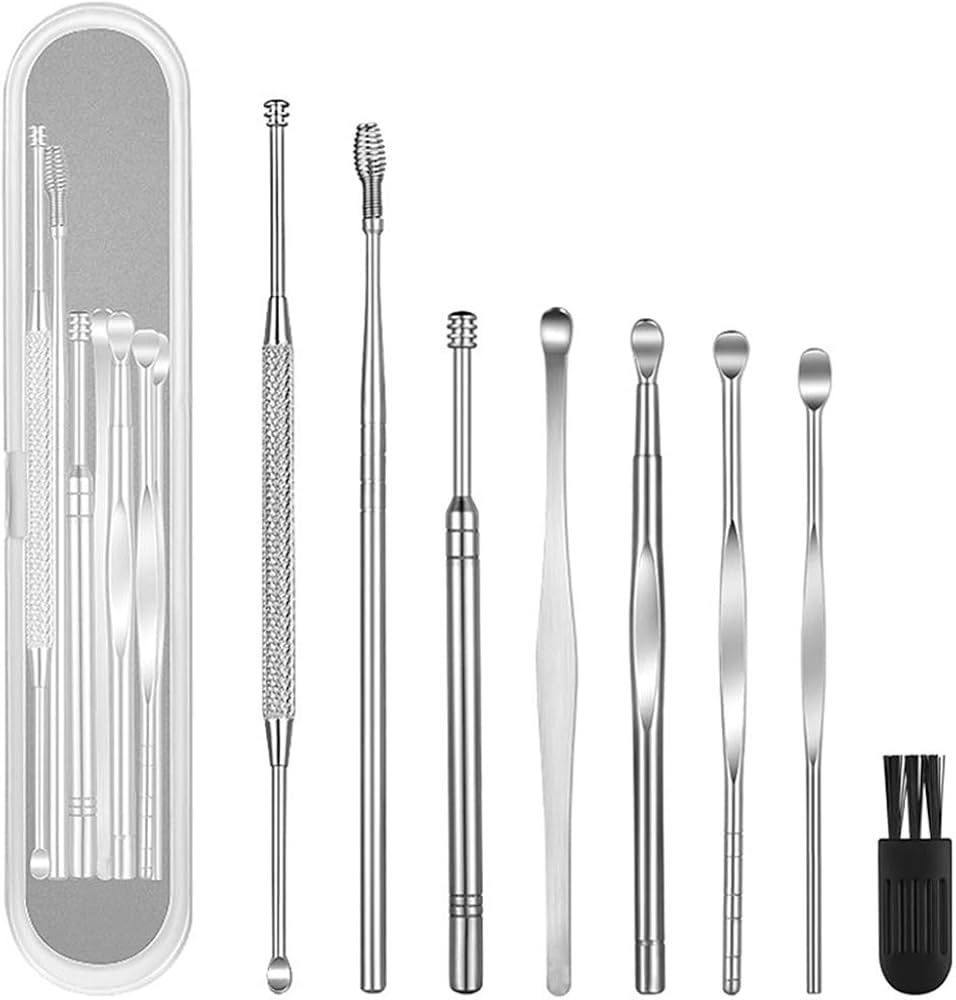
Essential Tools to Prevent Ear Wax Build-up and Maintain Ear Health
Our ears are one of the most delicate and vital senses we rely on daily, yet they often get overlooked when it comes to personal hygiene. Ear wax, or cerumen, plays a crucial role in protecting the ear canal from dust, debris, and bacteria, but too much buildup can lead to discomfort, hearing issues, or even infections. The good news is that with the right knowledge and tools, you can maintain ear health effectively without risking damage. In this article, we’ll explore the causes of ear wax buildup, essential tools for safe removal, proper techniques, preventive practices, and when to consult a professional—all designed to help you keep your ears clean and healthy.
Understanding Ear Wax Build-Up and Its Causes
Ear wax is a natural secretion produced by glands in the ear canal, serving as a protective barrier against dirt, microbes, and water. Under normal conditions, ear wax naturally migrates out of the ear canal, carrying debris with it, which is why most people rarely need to intervene. However, factors like genetics, excessive ear canal hair, or frequent ear cleaning can disturb this natural process, leading to accumulation.
One common cause of wax build-up is over-cleaning. When people insert objects like cotton swabs into their ears, they often push wax deeper rather than remove it, causing impaction. Additionally, environmental factors such as exposure to dust or pollution can contribute to faster wax accumulation. Age-related changes also play a role, as the ear’s natural cleaning mechanism becomes less efficient over time, increasing the risk of blockages.
Certain medical conditions or habits can exacerbate the problem. For example, using hearing aids or earplugs regularly can trap wax, preventing it from natural exit. People with skin conditions like eczema or seborrhea may produce more wax or have more sensitive skin in the ear canal, making buildup more likely. Recognizing these causes helps in adopting proper preventative strategies to maintain ear health.
Essential Tools for Safe and Effective Ear Wax Removal
Using the right tools is vital for protecting your ears from damage during wax removal. The market offers several devices designed specifically for safe and hygienic ear cleaning, ensuring you can manage wax buildup without risking perforation or irritation. Some of the most recommended tools include ear irrigation kits, earwax removal bulbs (syringes), and earwax softening drops.
Ear irrigation kits typically consist of a bulb syringe and a gentle water or saline solution. When used correctly, they can dislodge and flush out excess wax safely. Earwax removal bulbs, similar to syringes, allow controlled flushing and are often used in combination with softening drops. These are especially effective for impacted wax that is stubborn or difficult to remove naturally.
Another essential tool is earwax softening drops—usually containing mineral oil, hydrogen peroxide, or carbamide peroxide—that loosen hardened wax, making mechanical removal safer and easier. Ear picks or curettes are also available but should be used with caution—preferably under professional supervision—to avoid injury. Always opt for sterile, high-quality devices and avoid DIY devices that aren’t designed for ear use, as they can cause serious damage.
Proper Techniques for Using Ear Cleaning Devices
Even the safest tools require proper techniques to prevent injury and ensure effective wax removal. The first step is to soften the wax using recommended drops, typically a few drops in each ear, and waiting for 5-10 minutes to allow the wax to loosen. This step reduces the risk of pushing wax further into the ear canal during removal.
When using irrigation kits or bulbs, gently tilt your head over a sink and aim the stream of water or saline solution at the side of the ear canal opening, avoiding direct pressure that could damage the eardrum. Use warm (not hot) water and avoid overusing the device—usually, one or two gentle flushes are sufficient. After flushing, tilt your head to allow excess water to drain and dry your outer ear thoroughly.
If you opt for manual tools like curettes, exercise extreme caution. Always ensure your hands are clean, and use gentle, controlled motions to dislodge wax. Never insert objects deeply into the ear canal or apply excessive force, as this can cause perforation or damage the ear drum. If you experience pain, dizziness, or discomfort, stop immediately and seek professional advice. Remember, patience and gentle handling are key to safe ear cleaning.
Preventive Measures and Daily Ear Care Practices
Prevention is always better than cure, especially when it comes to ear health. Incorporating simple daily habits can significantly reduce the risk of excessive wax buildup and related problems. The first step is to avoid inserting objects into the ears—cotton swabs, hairpins, or any foreign items can push wax deeper and cause impaction. Instead, clean the outer ear with a damp cloth or use minimal ear irrigation if necessary.
Maintaining good ear hygiene also involves keeping the ears dry and free from excess moisture, which can promote bacterial growth. After swimming or bathing, gently dry your ears with a towel or use a hairdryer on a low, cool setting to prevent trapped water. If you are prone to wax buildup, consider using mild softening drops once a week to facilitate natural wax migration.
Finally, pay attention to your overall health. Regular check-ups with an audiologist or ENT specialist can help monitor ear health, especially if you wear hearing aids or have pre-existing conditions. Staying informed about ear health and adopting safe hygiene routines will keep your ears functioning optimally and reduce the need for aggressive cleaning or medical intervention.
When to Seek Professional Assistance for Ear Wax Issues
While regular cleaning and preventive practices go a long way, sometimes professional help is necessary. If you experience symptoms like persistent earache, dizziness, ringing, or sudden hearing loss, it’s essential to see an ENT specialist. These may indicate impacted wax causing blockages or other underlying issues that require medical assessment.
In addition, if you’ve attempted safe removal methods at home without success, or if wax impaction is causing significant discomfort, professional removal is advisable. Healthcare providers have specialized instruments such as micro-suction devices or manual curettes that safely remove wax without risking damage to the ear canal or eardrum. They can also identify other ear conditions that might mimic wax problems, ensuring comprehensive care.
Never attempt to remove large or stubborn wax blockages yourself, especially if you have a history of ear surgeries, perforated eardrums, or ear infections. Seeking timely professional assistance reduces the risk of complications and ensures your ear health is properly maintained. Remember, professional help is a sign of responsible self-care, protecting your hearing and preventing more serious issues.
In Conclusion: Prioritize Ear Health with the Right Tools and Practices
Maintaining ear health and preventing wax buildup involves understanding the causes, using the right tools, adopting proper techniques, and recognizing when professional help is needed. Avoiding risky DIY methods, being gentle, and keeping a regular routine can safeguard your ears from impaction and infections. Remember, your ears deserve gentle care and respect—investing in the proper tools and habits today will pay off with clearer hearing and healthier ears tomorrow.
Stay vigilant, stay safe, and don’t hesitate to consult healthcare professionals whenever in doubt. After all, safeguarding your ear health is an essential part of overall wellness.