

Groom Long-Coated Dogs for Humid Areas: Tips to Keep Them Comfortable
Living in humid climates presents unique challenges for dog owners, especially those with long-coated breeds. These beautiful, fluffy dogs often require more frequent and careful grooming to stay comfortable and healthy. High humidity can cause their coats to become matted, trap moisture leading to skin infections, and make grooming a more complex task. But with the right knowledge and techniques, you can help your long-coated dog thrive in humid areas. This guide provides comprehensive tips on grooming your long-haired dog for humid environments, ensuring their coat stays clean, comfortable, and free of issues.
Understanding the Challenges of Grooming Long-Coated Dogs in Humid Climates
Long-coated dogs, such as Bearded Collies, Afghan Hounds, and Shih Tzus, possess luxurious fur that requires diligent maintenance. In humid climates, their coats can become a double-edged sword—while beautiful, they also trap moisture, dirt, and debris, creating a breeding ground for skin problems. Recognizing these challenges is key to developing an effective grooming routine.
One of the primary issues is matting and tangling. Humidity softens the coat fibers, making them more prone to knotting. When left unbrushed, mats can tighten, pulling on the skin and causing discomfort or even infections. Furthermore, moisture trapped within the coat encourages the growth of bacteria and yeast, leading to skin irritation, foul odors, and hot spots. These skin issues are particularly common in areas with folds or excess skin where moisture tends to accumulate.
Another challenge is maintaining a manageable coat length. Long hair in humid environments can become heavy and cumbersome, making your dog feel uncomfortable and overheated. The added weight can cause strain on their skin and joints, influencing their mobility and overall well-being. Additionally, excessive coat length provides a perfect habitat for parasites like fleas and ticks, which thrive in humid conditions and can infect your dog.
To combat these issues effectively, owners must understand that regular grooming, proper coat management, and choosing suitable grooming products are essential. This proactive approach not only improves your dog’s comfort but also prevents more serious health problems down the line.
Effective Brushing and Detangling Techniques for Long-Haired Dogs in Humid Environments
Brushing is the cornerstone of grooming long-coated dogs, especially in humid climates where mats and tangles form more readily. To keep your dog comfortable and prevent skin issues, establish a consistent brushing routine—ideally daily or every other day—using the right tools and techniques.
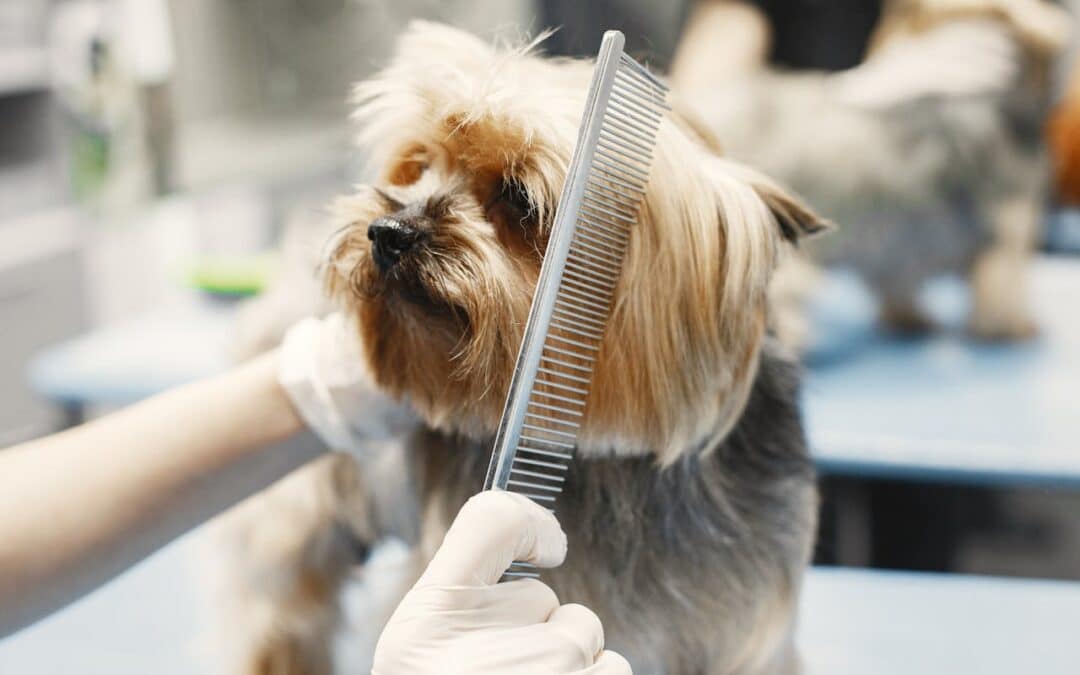
Start with a slicker brush or a pin brush designed for long hair. These tools help to gently remove loose fur, dirt, and prevent mats before they tighten. When brushing, work from the tips of the coat upward, being gentle around sensitive areas like behind the ears and under the legs. Consistency is key; frequent brushing reduces the risk of mats forming and allows you to inspect for skin problems early.
For particularly tangled areas, use a detangling spray formulated for dogs, which can loosen knots and make brushing easier. Apply the spray generously, then gently work through the tangle with a comb or your fingers before brushing. For stubborn mats, it’s often best to carefully cut them out with blunt-tipped scissors—never attempt to pull or yank, as this can hurt your dog and worsen mats.
In humid environments, drying your dog thoroughly after bath or outdoor activities is crucial. Moisture trapped in the coat can quickly lead to mats or skin conditions. Use a high-velocity blow dryer on a cool setting to remove excess water, brushing simultaneously to prevent re-matting. Regular inspection during grooming sessions helps you catch early signs of skin irritation or parasite infestations.
Tip: Incorporate gentle, positive reinforcement during grooming sessions to make the experience enjoyable for your dog. Frequent, calm handling reduces stress and encourages cooperation, making grooming in humid weather less of a chore.
Choosing the Right Grooming Products to Prevent Matting and Skin Issues in Humid Areas
Selecting appropriate grooming products tailored for your dog’s coat type and the humidity level is vital. In humid climates, your goal is to keep the coat clean, dry, and free of mats, while also protecting the skin from irritation and infections.
Start with a mild, moisturizing shampoo designed for dogs. Look for formulas that contain natural ingredients like aloe vera or oatmeal, which soothe the skin and help maintain a healthy moisture balance. Avoid harsh shampoos that can strip natural oils, leading to dryness and increased susceptibility to mats and skin issues. After shampooing, a conditioner or detangler spray can make combing easier and provide an extra layer of protection against tangles.
In addition, use a leave-in conditioner or coat spray formulated to repel dirt and moisture, which can be especially beneficial in humid environments. These products help maintain the coat’s manageability and prevent mats from forming as the coat dries. For skin health, consider products with antimicrobial or antifungal properties if your dog is prone to skin infections—these can help prevent hot spots and yeast overgrowth.
Finally, always choose grooming tools that suit your dog’s coat type; slicker brushes, pin brushes, and wide-tooth combs are essential for long hair. Regularly cleaning and replacing grooming tools prevent the spread of bacteria and fungi. Remember, using the right products consistently leads to a healthier coat, less shedding, and fewer grooming headaches in humid areas.
Tips for Maintaining a Clean and Healthy Coat in High-Humidity Conditions
Keeping your long-coated dog’s coat clean and healthy in humid conditions requires a dedicated routine that extends beyond just brushing. Regular bathing, combined with proper drying and coat maintenance, plays a vital role in preventing skin issues and ensuring comfort.
Bathing should be done every 4-6 weeks, or more frequently if your dog gets particularly dirty or develops skin problems. Always use a gentle, moisturizing shampoo suited for sensitive skin. Rinse thoroughly to ensure no product residue remains, as leftover shampoo can cause irritation or allergic reactions. Be attentive to areas prone to moisture accumulation, such as skin folds, underarms, and behind the ears—these spots are hotspots for infections if neglected.
Post-bath, it’s crucial to dry your dog completely. Humid environments promote bacterial and yeast growth on damp skin, increasing the risk of infections. Use a high-velocity blow dryer on a cool setting while brushing the coat to remove excess moisture and help prevent mats. If you prefer air drying, ensure your dog is kept in a dry, well-ventilated space until thoroughly dry, especially in colder weather where dampness can cause discomfort.
Additionally, regular trimming of the coat can significantly reduce moisture retention and mat formation. Focus on trimming areas where mats tend to form or where the coat is excessively long and heavy. Keeping nails trimmed also helps prevent your dog from pulling or irritating the skin while moving. A balanced diet rich in omega fatty acids supports healthy skin and coat, aiding resilience against the challenges of humidity.
Pro tip: Incorporate routine skin checks to spot early signs of irritation, parasites, or infections. Addressing these issues promptly contributes to your dog’s overall comfort and health.
Professional Grooming Tips and When to Seek Expert Assistance for Long-Coated Dogs
While home grooming is essential, professional groomers provide invaluable expertise, especially for long-coated dogs living in humid environments. They have the skills and tools to handle complex coat management, de-matting, and skin health issues efficiently and safely.
A professional groomer can perform thorough de-matting and coat trimming, which might be challenging to do at home, especially in stubborn or delicate areas. Regular grooming appointments—generally every 6-8 weeks—help maintain coat health, prevent mats from forming, and allow for early detection of skin problems or parasites. Experienced groomers also know the best practices for bathing, drying, and applying treatments suited for humid climates.
In addition to grooming, professionals can advise on the best grooming products and techniques tailored to your dog’s specific coat and skin needs. Groomers can also teach pet owners how to perform certain grooming tasks at home, empowering you to keep your dog comfortable between appointments. For breeds prone to skin fold infections, a groomer can carefully clean and monitor these areas, reducing the risk of hot spots and fungal infections.
Knowing when to seek professional help is crucial. If your dog develops persistent mats, skin irritation, foul odor, or excessive scratching, a visit to the groomer or veterinarian is warranted. Also, if your dog shows signs of discomfort during grooming, or if you’re unsure about proper trimming or bathing techniques, professional assistance ensures your pet’s safety and well-being.
Final thought: Investing in professional grooming not only keeps your long-coated dog looking their best but also supports their health in challenging humid environments. Regular expert care can make all the difference in ensuring your fluffy friend remains comfortable, happy, and healthy.
In conclusion
Grooming long-coated dogs in humid areas involves understanding their unique challenges and applying effective techniques. Regular brushing, choosing the right grooming products, maintaining a clean coat, and seeking professional help when needed are all vital steps. By implementing these tips, you can ensure your dog remains comfortable, healthy, and happy despite the humid climate. Remember, consistent care and attention to your dog’s coat will reward you with a beautiful, well-maintained companion happy to thrive in their environment.