


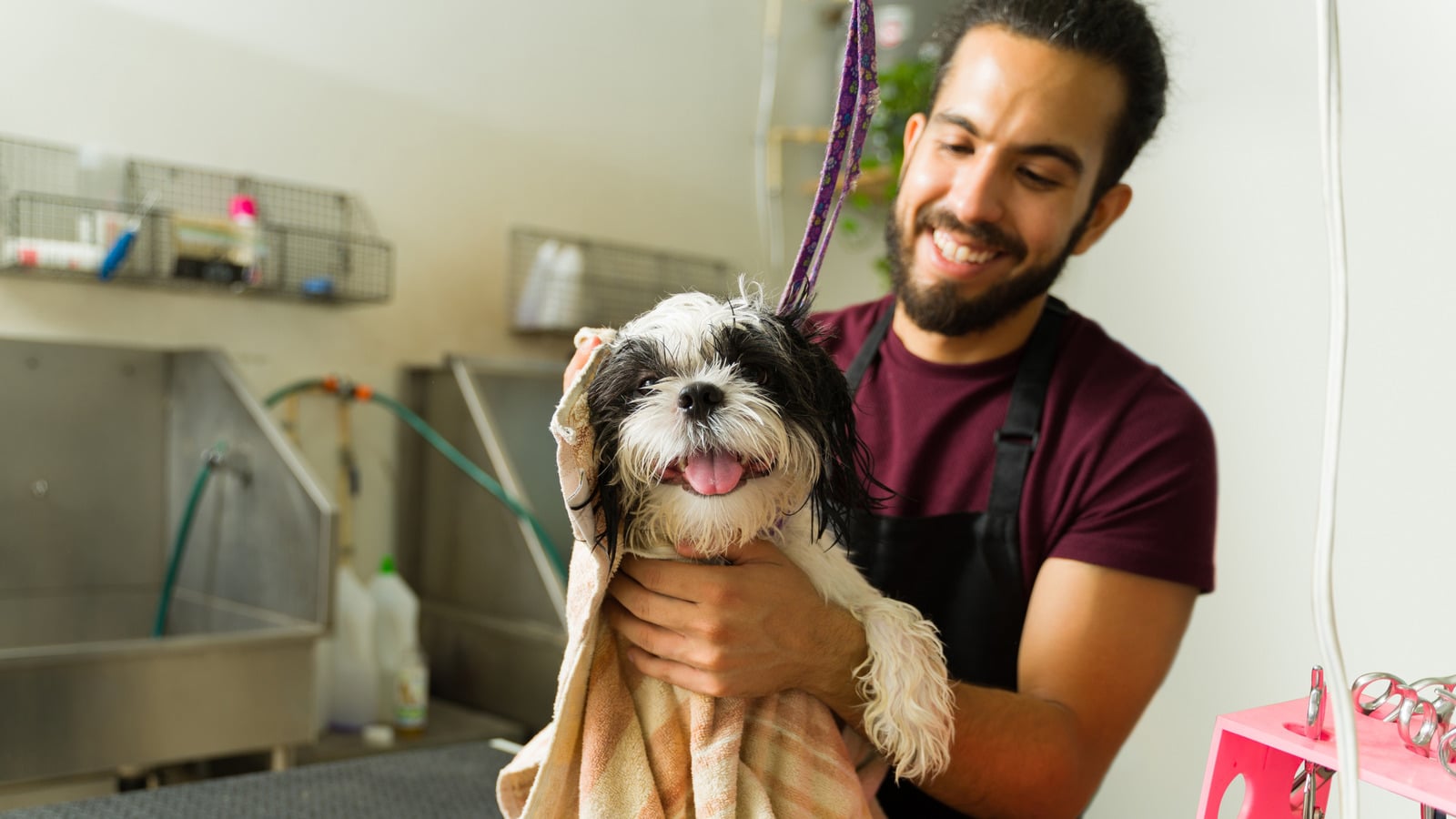
Grooming Tips for Dogs Who Won’t Sit Still: Make It Easier and Stress-Free
Grooming your dog is an essential part of pet ownership, keeping your furry friend healthy, comfortable, and looking their best. But what happens when your dog is hyperactive, anxious, or simply can’t sit still? An energetic or nervous dog can turn grooming into a stressful ordeal—for both of you. If your pup struggles to stay calm during grooming sessions, don’t worry! With the right approach, patience, and tools, you can make grooming a smoother, safer, and more enjoyable experience. This article dives deep into effective grooming tips for dogs who won’t sit still, helping you understand their challenges and offering practical strategies to keep your dog relaxed and cooperative.
Understanding the Challenges of Grooming Active Dogs
Grooming an active dog presents unique challenges that can make the process seem overwhelming. Many energetic dogs find grooming unfamiliar or intimidating, which can trigger anxiety or resistance. Their natural curiosity and high energy levels mean they often wiggle, jump, or try to escape the grooming table, making it difficult to perform tasks like brushing, trimming, or nail clipping safely and effectively.
One major challenge is managing your dog’s impulse to move around. For hyperactive dogs, staying still for even a few minutes can feel impossible, especially if they associate grooming with discomfort or boredom. This can lead to a cycle where the dog becomes more anxious, and the grooming session becomes more difficult. Additionally, dogs with a lot of energy may react negatively to restraint methods such as muzzles or grooming loops if not introduced gradually and calmly.
Understanding your dog’s temperament is key. Some dogs are naturally more anxious, while others are simply too energetic. Recognizing signs of stress—like lip licking, yawning, or trembling—allows you to adjust your approach accordingly. The goal should be to create a positive association with grooming, gradually desensitizing your dog to the process while respecting their comfort level. Patience and consistency are essential, as rushing or forcing the dog can backfire, leading to more resistance and stress.
Preparing Your Dog for a Stress-Free Grooming Session
Proper preparation can turn grooming from a stressful chore into a bonding opportunity. Start by choosing a quiet, comfortable environment that minimizes distractions, making it easier for your dog to focus. Before the grooming session, ensure your dog is well-exercised—tired dogs tend to be calmer and more cooperative. A quick walk or a play session can burn off excess energy, making grooming easier and more manageable.
Introducing grooming tools and routines gradually is crucial for active dogs. Spend some time getting your dog comfortable with the tools—let them sniff, lick, or chew on brushes and clippers in a relaxed setting, without attempting to groom right away. Use treats and praise generously during this process to build positive associations. For dogs that are particularly nervous, consider doing short, frequent grooming sessions rather than long ones, allowing your dog to get used to the process over time without feeling overwhelmed.
Additionally, consider using calming aids if your dog is especially anxious. Items like calming sprays, pheromone diffusers, or anxiety vests can help reduce stress during grooming. Always keep a calm, gentle tone and avoid rushing; patience is your best tool. If your dog begins to show signs of distress, take a break and try again later. Remember, the goal is to make grooming a positive experience, so never force your dog into uncomfortable situations.
Effective Techniques for Grooming Dogs That Don’t Sit Still
When grooming an energetic or restless dog, adopting specific techniques can significantly improve the experience. One effective method is breaking the grooming session into small, manageable steps—focusing on just one task at a time, like brushing the ears or trimming nails, and rewarding your dog after each step. This gradual approach prevents your dog from feeling overwhelmed and helps them associate grooming with positive outcomes.
Using distraction techniques can also be a game-changer. For example, having a favorite toy or a long-lasting treat nearby can divert your dog’s attention and keep them occupied during grooming. Some owners find that playing calming music or using aromatherapy with dog-safe essential oils promotes relaxation. In addition, maintaining a relaxed posture and speaking softly can help reassure your dog and reduce their anxiety.
For particularly active dogs, consider incorporating gentle restraint methods such as a grooming table with a secure but comfortable harness, or using a grooming loop that gently holds them in place without causing discomfort. Desensitization exercises—such as gently touching or massaging different parts of your dog’s body regularly—can also help them become more comfortable with handling. Remember, if your dog starts to struggle or become stressed, it’s best to pause and resume later, rather than forcing the issue.
Choosing the Right Grooming Tools and Equipment for Energetic Dogs
The right tools can make a world of difference when grooming a high-energy dog. Investing in high-quality, ergonomically designed brushes and clippers tailored to your dog’s coat type ensures efficient grooming with less discomfort. For example, slicker brushes work well for thick coats, while rubber curry combs are great for massage and removing loose hair—making grooming more engaging for your dog.
For active dogs, safety and control are paramount. A sturdy grooming table with non-slip surfaces provides stability and prevents slips or falls during grooming. Using a grooming arm with a no-slip loop can gently secure your dog, giving you better control while minimizing their movement. Nail grinders with adjustable speeds are preferable to clippers, especially if your dog tends to squirm; they are less intimidating and allow more precise trimming.
Additional tools like calming sprays, pheromone diffusers, and desensitization gloves can also aid in making grooming sessions less stressful. Consider investing in grooming aids designed for small spaces, such as portable dryers or slicker brushes, which allow you to groom your dog comfortably at home without a lot of hassle. Remember, choosing tools suited to your dog’s needs and temperament helps create a safer, calmer grooming environment.
Tips for Maintaining Your Dog’s Grooming Routine Between Sessions
Consistency is key to keeping your dog well-groomed and comfortable with the process. Regular brushing—ideally daily or every other day—helps reduce matting, control shedding, and accustoms your dog to handling their body. Use positive reinforcement, like treats and praise, to encourage cooperative behavior during these routine sessions, especially for energetic dogs that need frequent contact to stay comfortable.
In addition to brushing, incorporating brief, gentle handling exercises into your daily interactions can make grooming easier over time. For example, gently touching your dog’s paws, ears, and tail during walks or playtime helps them become accustomed to being handled in those areas. This not only reduces resistance during grooming but also helps detect any health issues early, such as cuts or swelling.
Lastly, keep grooming tools clean and well-maintained to ensure they work effectively and do not cause discomfort. Establishing a routine schedule—whether weekly or bi-weekly—helps your dog anticipate grooming sessions, reducing anxiety and resistance. Remember, patience and positive reinforcement are your best allies. Reward your dog generously for their cooperation, and make grooming a bonding experience rather than a chore.
Conclusion
Grooming a dog who won’t sit still can seem daunting, but with understanding, patience, and the right strategies, it becomes a manageable and even enjoyable activity. Recognizing your dog’s energy levels and temperament allows you to tailor your approach, making sessions more effective. Preparation—such as gradual introductions to grooming tools and creating a calming environment—sets the stage for success. Employing techniques like breaking down tasks, using distractions, and gentle restraint can help keep your dog calm and cooperative.
Choosing appropriate grooming tools designed for active dogs ensures safety and comfort, while maintaining a consistent routine between sessions keeps your dog familiar and relaxed with the process. Remember, building a positive grooming experience is all about patience, positivity, and persistence. Eventually, grooming can become a bonding activity that enhances your relationship with your dog and keeps them healthy and happy. So, equip yourself with these tips and turn stressful grooming sessions into opportunities for trust and connection.